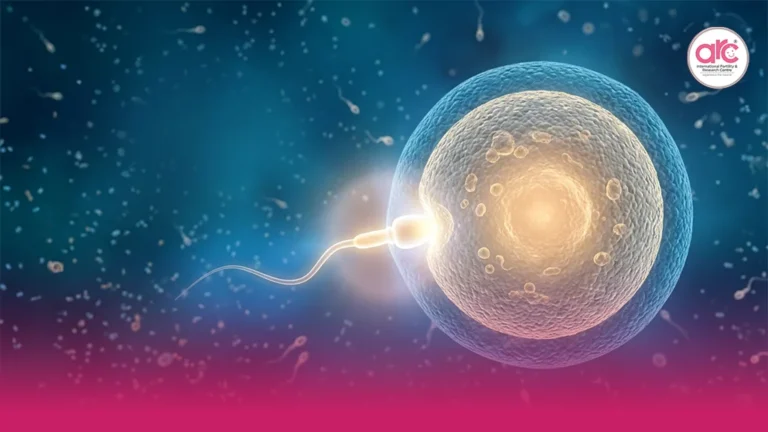
What Is a Sperm Allergy?
A sperm allergy, medically known as seminal plasma hypersensitivity, is an uncommon allergic reaction to proteins found in semen. It does not usually mean a woman is allergic to the sperm cell itself. More often, the immune system reacts to components in the seminal fluid that carries sperm during ejaculation.
For many women, symptoms can feel confusing because they may appear soon after intercourse and resemble infections, irritation, or vaginal dryness. This is why the condition is often missed or mistaken for recurrent vaginal infections. Understanding the signs of a sperm allergy and how it prevents pregnancy can help women seek the right evaluation instead of silently worrying after every cycle.
At ARC Fertility Hospitals, fertility concerns are approached with both medical detail and emotional sensitivity. If intercourse has become painful, frightening, or followed by unusual reactions, it is not something to ignore or feel embarrassed about. It is a health concern that can be evaluated carefully.
Common Signs of a Sperm Allergy
Symptoms can appear within minutes to an hour after exposure to semen. In some women, the reaction stays local, affecting the genital area. In rare cases, it can involve the whole body.
Local symptoms after intercourse
The most common signs include burning, redness, itching, swelling, soreness, or pain in and around the vagina after unprotected intercourse. Some women describe it as a sudden heat or stinging sensation that feels different from normal friction-related discomfort. The area may feel tender for several hours and, in some cases, symptoms can last a day or two.
These symptoms may be mistaken for yeast infection, urinary tract infection, bacterial vaginosis, latex allergy, or reaction to lubricants. One clue is timing: if symptoms happen repeatedly after semen exposure but improve when condoms are used, a semen allergy may be considered.
Whole-body allergic symptoms
Although rare, some women may experience hives, skin rash, wheezing, dizziness, chest tightness, nausea, or swelling away from the genital area. Any breathing difficulty, faintness, or rapid worsening after intercourse needs urgent medical attention because severe allergic reactions require immediate care.
How Can a Sperm Allergy Prevent Pregnancy?
A sperm allergy does not always cause infertility directly. Many women with mild symptoms may still be able to conceive naturally. However, it can interfere with pregnancy in several practical and biological ways.
First, discomfort after intercourse can make couples avoid unprotected sex, especially during fertile days. When intercourse becomes associated with pain, burning, or anxiety, timing sex around ovulation can feel emotionally difficult. Fertility is not only about eggs and sperm; it also depends on whether couples can have comfortable, regular intercourse during the fertile window.
Second, the use of condoms prevents semen exposure and may reduce allergic symptoms, but it also prevents sperm from reaching the cervix. For couples trying to conceive, this creates a frustrating cycle: unprotected intercourse triggers symptoms, while protected intercourse prevents pregnancy.
Third, in some cases, local inflammation in the vaginal or cervical environment may make it harder for sperm to move normally toward the uterus. The allergic response may create swelling, irritation, or immune activity that can reduce the chance of sperm surviving long enough to meet the egg. This does not mean pregnancy is impossible, but it may reduce the ease of natural conception for some couples.
Is It Really a Sperm Allergy or Something Else?
This is an important question because many conditions can look similar. Vaginal infections, hormonal dryness, vulvodynia, dermatitis, lubricant reactions, latex sensitivity, and even anxiety-related pelvic muscle tightening can cause burning or pain after intercourse. A fertility specialist or gynecologist will usually look at the full pattern rather than assuming one cause.
Doctors may ask when symptoms started, whether they happen with every partner or only one, whether condoms prevent symptoms, whether there is discharge or odor, and whether symptoms occur at other times in the menstrual cycle. Tests may be advised to rule out infection, inflammation, or sexually transmitted infections. In selected cases, allergy evaluation may be recommended.
For couples also facing male-factor concerns, semen quality may be assessed separately. Improving general reproductive health can support treatment planning, and couples often ask about lifestyle, nutrition, and foods that support sperm motility as part of a broader fertility discussion.
Diagnosis: What to Expect at a Fertility Consultation
A diagnosis is usually based on symptom history, exclusion of more common causes, and sometimes supervised allergy testing. Women should avoid self-diagnosing because treating the wrong condition can delay relief and conception.
During consultation, the doctor may review menstrual history, ovulation patterns, sexual symptoms, previous infections, contraceptive use, medication history, and how long the couple has been trying to conceive. If pregnancy has not occurred after 12 months of regular unprotected intercourse, or after 6 months if the woman is above 35, a complete fertility evaluation is usually advised. This may include ovulation assessment, ultrasound, hormone tests, tubal evaluation, and semen analysis.
This broader approach matters because sperm allergy may not be the only factor. A woman may have allergic symptoms and also have irregular ovulation, low ovarian reserve, endometriosis, or a partner with reduced sperm count or motility. Finding the complete picture helps avoid unnecessary delay.
Treatment Options for Women Trying to Conceive
Treatment depends on symptom severity, fertility goals, age, and whether other fertility factors are present. For women who are not trying to conceive, condoms may prevent symptoms. But when pregnancy is the goal, doctors may consider other approaches.
Desensitization
In some cases, allergy specialists may use a desensitization approach, where the body is gradually exposed to diluted semen proteins under medical supervision. This is not something to attempt at home. The aim is to reduce the allergic response so intercourse becomes more tolerable. Couples may need to maintain regular exposure afterward, based on the doctor’s advice.
Medication support
For mild reactions, doctors may sometimes recommend antihistamines before intercourse, but this should only be done with medical guidance, especially when trying to conceive. Medication decisions must consider safety, timing, symptom severity, and the woman’s overall health.
Assisted reproduction
If symptoms are severe, natural intercourse is not possible, or other infertility factors exist, assisted reproductive techniques may help. Intrauterine insemination, or IUI, may be considered in selected cases because sperm can be washed in the laboratory to remove most seminal fluid before placement into the uterus. This may reduce exposure to the allergenic proteins in semen.
IVF may be recommended when there are additional fertility concerns such as blocked fallopian tubes, advanced maternal age, severe male-factor infertility, low ovarian reserve, or repeated failed cycles with simpler treatment. IVF allows eggs and sperm to be handled outside the body, reducing reliance on intercourse for conception. However, no fertility treatment can promise pregnancy, and success depends on age, egg quality, sperm quality, embryo development, uterine health, and other factors.
When Should You See a Doctor?
You should seek medical advice if burning, swelling, itching, or pain repeatedly occurs after intercourse, especially if symptoms are linked to semen exposure. You should also consult a fertility specialist if symptoms are making intercourse difficult during the fertile window or if pregnancy has not occurred within the expected timeframe.
Seek urgent care immediately if you develop breathing difficulty, dizziness, fainting, widespread hives, throat tightness, or facial swelling after intercourse. These symptoms may indicate a serious allergic reaction.
It is also worth seeking help earlier if you are above 35, have irregular periods, known endometriosis, previous pelvic infections, miscarriage history, or a male partner with known semen abnormalities. Fertility evaluation is not about rushing into IVF; it is about understanding what is happening and choosing the least stressful, most appropriate next step.
A Gentle Final Word
Sperm allergy is rare, but for the women who experience it, the impact can feel very real. It can affect physical comfort, emotional closeness, and confidence while trying to conceive. The good news is that help is available. With the right evaluation, doctors can distinguish allergy from infection or other causes, assess fertility health, and guide couples toward safe options such as symptom management, desensitization, IUI, or IVF when needed.
If you are noticing signs of a sperm allergy and wondering how it prevents pregnancy in your case, do not carry that uncertainty alone. A compassionate fertility consultation can give you clarity, reduce fear, and help you move forward with a plan that respects both your body and your hopes for pregnancy.