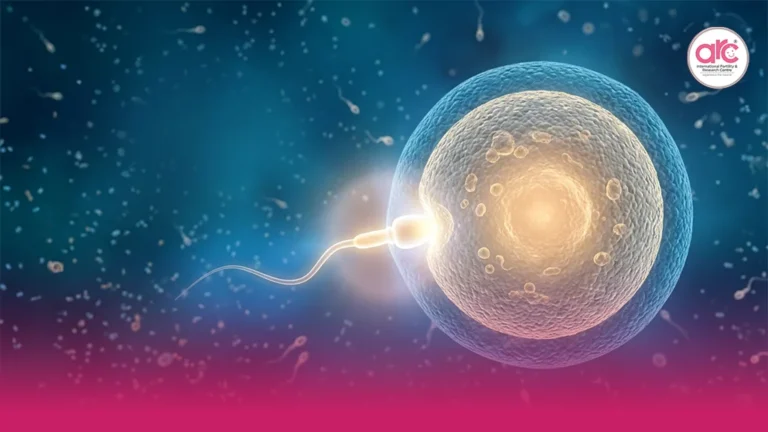
When a couple is trying to conceive, attention often falls first on ovulation, periods, egg quality and the woman’s health. But sperm health matters just as much. Even when sperm count is normal, sperm must be able to move forward efficiently to reach and fertilise the egg. This forward movement is called progressive motility, and it is one of the key markers doctors look for in a semen analysis.
So, what foods increase sperm motility and speed? The honest answer is that no single food can instantly make sperm faster. But a consistent, nutrient-rich diet can support the environment in which sperm are produced. Since sperm development takes roughly 2 to 3 months, dietary changes usually need time before they reflect in semen quality. For many couples, this can feel slow, especially when every cycle feels emotionally important. Still, improving nutrition is a practical, low-risk step that may support fertility alongside proper medical evaluation.
Why sperm motility matters for conception
Sperm motility refers to how well sperm move. Doctors usually assess whether sperm are moving, how many are moving, and whether they are moving forward in a useful direction. A sperm cell that only shakes in place is not as effective as one that swims progressively toward the egg.
Low motility can be linked to oxidative stress, varicocele, smoking, alcohol use, obesity, infections, hormonal imbalance, fever, heat exposure, certain medicines, long gaps between ejaculation, or age-related changes. Sometimes the semen report shows mild motility issues; sometimes it points to a deeper male fertility factor. This is why diet is helpful, but it should not replace testing when pregnancy is delayed.
Best foods that may support sperm motility and speed
A fertility-supportive diet is not about eating one expensive superfood. It is about reducing inflammation, improving antioxidant intake, supporting hormone balance and protecting sperm cells from oxidative damage. These food groups are especially useful.
1. Fruits rich in vitamin C and antioxidants
Oranges, amla, guava, berries, kiwi, lemon and pomegranate are rich in antioxidants that help protect sperm from oxidative stress. Sperm cells have delicate membranes, and oxidative damage can affect both movement and quality. Vitamin C also supports general immune health, which matters if recurrent infections or inflammation are affecting fertility.
2. Nuts and seeds for zinc, selenium and healthy fats
Walnuts, almonds, pumpkin seeds, sunflower seeds, sesame seeds and flaxseeds can be helpful additions. Zinc is involved in sperm production and testosterone function. Selenium supports sperm structure and motility. Walnuts also provide omega-3 fats and polyphenols, which may support healthier sperm membranes. A small handful daily is usually enough; more is not always better, especially if weight management is also a concern.
3. Omega-3 rich foods
Fatty fish such as salmon, sardines and mackerel contain omega-3 fatty acids, which support cell membrane flexibility. For vegetarians, flaxseeds, chia seeds and walnuts are good plant-based options. Sperm need a healthy membrane to move effectively, so the quality of fats in the diet matters. Replacing fried snacks and trans fats with healthier fats is often more useful than simply adding supplements.
4. Green leafy vegetables and folate-rich foods
Spinach, methi, drumstick leaves, broccoli, beans, lentils and chickpeas provide folate, magnesium and plant-based antioxidants. Folate plays a role in DNA synthesis and cell division, both of which are important during sperm production. For couples trying to conceive, it is common for women to take folic acid, but men also benefit from a folate-rich diet.
5. Protein from eggs, dals, legumes, fish and lean meats
Sperm production needs adequate protein. Eggs provide high-quality protein and nutrients such as vitamin B12 and choline. Dals, sprouts, paneer, curd, fish and lean poultry can support overall reproductive health when balanced with vegetables and whole grains. Very restrictive diets, crash dieting or poor protein intake can indirectly affect hormones, energy and fertility.
6. Whole grains instead of refined carbohydrates
Brown rice, millets, oats, whole wheat, quinoa and other whole grains support better blood sugar control than refined flour and sugary foods. Insulin resistance and excess body weight can affect male hormones and semen quality. For couples where PCOS, diabetes, thyroid issues or weight concerns are already part of the fertility picture, both partners’ metabolic health matters.
7. Foods containing CoQ10 and L-carnitine nutrients
Coenzyme Q10 and L-carnitine are often discussed in male fertility because they are involved in energy production within cells. Sperm need energy to swim. Foods such as fish, lean meats, peanuts, sesame seeds and some organ meats contain related nutrients, though therapeutic doses usually come from supplements when prescribed. Couples should avoid starting multiple fertility supplements without medical guidance, especially if there are existing health conditions or medicines.
Foods and habits that may reduce sperm movement
Knowing what to add is important, but knowing what to reduce can be just as powerful. Frequent intake of deep-fried foods, processed meats, excess sugar, sugary drinks and trans fats may worsen oxidative stress and metabolic health. Heavy alcohol use, smoking, vaping and anabolic steroid use can also reduce sperm quality.
Heat exposure is another overlooked factor. Hot baths, saunas, tight underwear, keeping laptops directly on the lap, and long hours of sitting may affect testicular temperature. The testes are positioned outside the body because sperm production works best at a slightly lower temperature. If a male partner works in a high-heat environment or drives for long hours, this is worth discussing with a fertility specialist.
How long does diet take to improve sperm motility?
This is one of the most common questions couples ask. Sperm production is not overnight. A change made today may show up in a semen analysis after about 8 to 12 weeks. That is why doctors often recommend repeating semen testing after a period of lifestyle changes, treatment for infection, weight improvement or medication adjustments.
For women tracking ovulation every month, waiting three months can feel emotionally difficult. But it helps to see this period as active preparation rather than passive waiting. During this time, couples can improve nutrition, sleep, exercise patterns, stress management and timing of intercourse while also completing fertility evaluation if conception has been delayed.
When food is not enough
Diet can support sperm health, but it cannot correct every cause of low motility. Varicocele, severe infection, hormonal disorders, blocked ducts, genetic factors or high sperm DNA damage may need medical treatment. If you have been trying to conceive for 12 months, or 6 months if the woman is over 35, it is sensible to meet a fertility specialist earlier rather than waiting indefinitely.
A semen analysis is usually the first test for male fertility, but it does not always explain everything. If there are repeated miscarriages, unexplained infertility, failed IUI or IVF cycles, or a poor semen report, advanced sperm testing may be advised to understand sperm quality more deeply.
Can better sperm motility avoid IVF?
Sometimes, yes; sometimes, no. If motility is mildly reduced and the woman’s fertility factors are reassuring, doctors may first suggest timed intercourse, lifestyle changes, medicines or IUI depending on the full evaluation. If motility is very poor, sperm count is low, the woman’s age is higher, tubes are blocked, ovarian reserve is low, or previous treatments have failed, IVF or ICSI may offer a more suitable route.
This decision is not based on one number alone. Fertility specialists look at both partners together: semen parameters, ovulation, ovarian reserve, fallopian tubes, uterus, age, duration of infertility and previous pregnancy history. That is why comparing your journey to another couple’s journey can be misleading.
A practical fertility plate for sperm health
A simple daily approach could include one seasonal fruit rich in vitamin C, two servings of vegetables including greens, one source of good protein at each major meal, a small portion of nuts or seeds, whole grains instead of refined flour, and enough water. Add regular walking or exercise, 7 to 8 hours of sleep, and reduced smoking or alcohol. These choices do not guarantee pregnancy, but they create a healthier foundation for sperm production.
At ARC Fertility Hospitals, couples are encouraged to look at fertility as a shared journey, not a woman’s responsibility alone. If sperm motility is low, the goal is not blame. The goal is clarity: what is causing it, what can be improved naturally, what needs treatment, and how much time is reasonable to spend before moving to the next option. Food can be a meaningful first step, but timely testing and expert guidance help couples avoid losing precious months to guesswork.