When a semen analysis shows very low sperm count, poor motility, abnormal sperm shape, or even no sperm in the sample, many women quietly ask the same frightening question: can we still have a baby using his sperm? The answer is often more hopeful than the report first appears. IVF, especially when combined with ICSI and advanced sperm retrieval methods, can help many couples facing severe male infertility. But it is not a one-size-fits-all answer, and it should never be presented as a guaranteed solution.
At ARC Fertility Hospitals, couples are encouraged to understand the reason behind the male factor before choosing treatment. Severe male infertility is not just a number on a lab report. It can be linked to hormonal imbalance, varicocele, infections, genetic factors, lifestyle exposures, previous surgeries, medicines, or sperm production problems inside the testes. The right treatment depends on what is causing the problem and whether usable sperm can be found.
What does severe male infertility actually mean?
Male infertility becomes severe when sperm quantity or quality is significantly reduced. This may include severe oligospermia, where the sperm count is extremely low; asthenozoospermia, where sperm movement is very poor; teratozoospermia, where sperm shape is highly abnormal; or azoospermia, where no sperm is seen in the ejaculated semen sample.
For a woman trying to understand her treatment options, this can feel confusing because a semen report may look final. But fertility specialists usually read it as a starting point, not the full story. A single abnormal semen analysis may need to be repeated because sperm parameters can fluctuate due to fever, stress, medications, smoking, alcohol, infections, or timing of the test. The male partner may also need hormone tests, ultrasound, genetic testing, infection screening, or evaluation by an andrologist.
Can IVF overcome severe male infertility?
Yes, IVF can sometimes overcome severe male infertility, especially when even a small number of healthy or usable sperm are available. The reason is simple: natural conception and IUI require many sperm to travel through the female reproductive tract, reach the egg, and fertilize it. In severe male infertility, that journey may be too difficult. IVF changes the environment. Eggs are collected from the ovaries, sperm are prepared in the laboratory, and fertilization is supported outside the body.
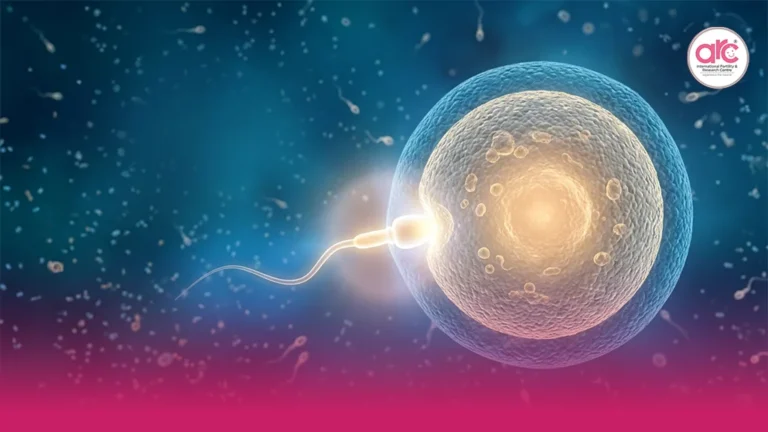
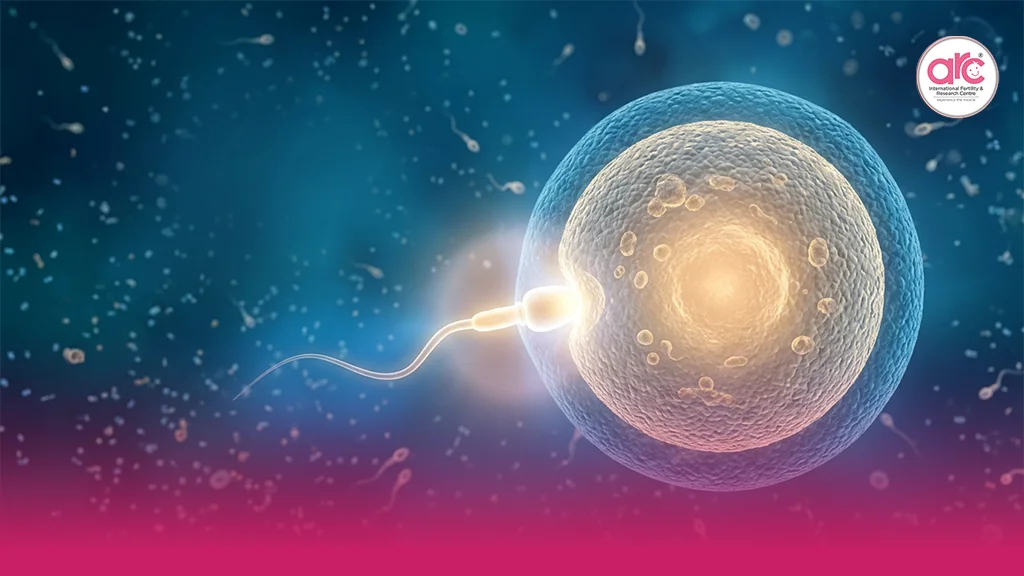
In most severe male factor cases, doctors do not rely on conventional IVF alone. They use ICSI, or intracytoplasmic sperm injection. In ICSI, an embryologist selects a single sperm and injects it directly into a mature egg. This is why IVF with ICSI can be useful even when sperm count is extremely low. It reduces the need for millions of active sperm and focuses instead on finding sperm that may be suitable for fertilization.
Still, it is important to be realistic. ICSI can assist fertilization, but it cannot repair every sperm problem. Egg quality, sperm DNA integrity, embryo development, uterine health, age, and underlying medical conditions all influence the final outcome.
When sperm count is very low, what happens during IVF?
If the semen sample contains only a few sperm, the embryology team may use special preparation techniques to identify the best available sperm. Sometimes sperm may be frozen in advance if the count is inconsistent, so there is a backup on the egg retrieval day. This matters because some men have sperm in one sample and very few or none in another.
For the woman, the IVF process includes ovarian stimulation, monitoring scans, egg retrieval, fertilization in the laboratory, embryo culture, and embryo transfer. Many women focus only on injections and egg collection, but in severe male infertility, the laboratory stage becomes especially important. The skill of sperm selection, ICSI technique, embryo monitoring, and timing all play a meaningful role.
What if there is no sperm in the semen?
Azoospermia does not always mean sperm are absent from the body. There are two broad types. In obstructive azoospermia, sperm production may be happening normally, but a blockage prevents sperm from reaching the semen. In non-obstructive azoospermia, sperm production itself is very low or impaired.
In some cases, doctors may retrieve sperm directly from the testes or epididymis using procedures such as PESA, TESA, or micro-TESE. If sperm are found, they may be used with ICSI. For couples, this is often an emotional turning point because the treatment plan becomes more precise. However, retrieval is not always successful, particularly in severe non-obstructive cases. A responsible fertility team will discuss probabilities, alternatives, emotional readiness, and whether donor sperm should be considered as a backup option.
Why diagnosis matters before starting IVF
One common mistake couples make is rushing into IVF without understanding why the male factor is severe. Sometimes a treatable issue is present. A varicocele may affect sperm quality. Hormonal imbalance may reduce sperm production. Infection or inflammation may need treatment. Certain medicines may affect sexual function or sperm parameters, and couples may benefit from discussing blood pressure medicines and male fertility with a doctor rather than stopping any prescribed medicine on their own.
Diagnosis is also important because infertility is not always caused by one partner alone. A woman may have reduced ovarian reserve, endometriosis, tubal issues, ovulation problems, thyroid imbalance, or immune-related factors at the same time. In some couples, what appears to be male infertility may be part of a more complex picture, including immune-related fertility issues that need thoughtful evaluation.
Does severe male infertility affect embryo quality?
It can. Sperm contributes genetic material to the embryo, so severe abnormalities in sperm production may sometimes be associated with higher DNA fragmentation or genetic concerns. This does not mean pregnancy is impossible. It means doctors may suggest additional testing or adjustments, such as lifestyle correction, antioxidant support when appropriate, treating infections, shorter abstinence before sample collection, surgical sperm retrieval in selected cases, or embryo assessment strategies.
Women often carry the emotional and physical weight of IVF, even when the main diagnosis is male factor infertility. This can feel unfair and lonely. A good fertility consultation should acknowledge this. Treatment should support both partners, not silently place all responsibility on the woman because her body undergoes the IVF cycle.
What affects the chances of success?
Several factors influence outcomes: the woman’s age, egg reserve, egg quality, the number of mature eggs retrieved, sperm availability, sperm DNA quality, embryo development, uterine receptivity, medical history, and previous treatment response. Younger women with good ovarian reserve may have more eggs available for ICSI, which can improve the chance of obtaining embryos. But even then, no clinic can honestly promise pregnancy.
Success is best discussed after both partners are evaluated. At ARC Fertility Hospitals, the goal is to create an individualized plan rather than pushing every couple into the same IVF protocol. Some couples may need IVF with ICSI. Some may need sperm retrieval. Some may need medical or surgical correction before IVF. Others may need counselling about donor sperm, genetic testing, or fertility preservation.
What should couples ask the doctor?
Before starting IVF, ask clear and practical questions. Is the semen analysis repeated and reliable? Is this obstructive or non-obstructive azoospermia? Are hormones normal? Is genetic testing needed? Can sperm be frozen before IVF? Is ICSI recommended? What is the plan if no sperm are found on retrieval day? Are there female factors that also need treatment? How many visits are expected, and what timeline should we prepare for?
These questions do not make you difficult; they make you informed. Fertility treatment is easier to face when the plan is explained in plain language and both partners know why each step is being recommended.
So, is IVF the right next step?
IVF can be a powerful option for severe male infertility, especially when combined with ICSI and, when needed, sperm retrieval. It may help bypass barriers that make natural conception or IUI unlikely. But the most reassuring answer comes after a complete evaluation of both partners.
If you are reading this after seeing a difficult semen report, take a breath before assuming the worst. Severe male infertility is serious, but it is not always the end of biological parenthood. With careful diagnosis, honest counselling, advanced laboratory support, and a treatment plan designed around your situation, many couples can move from fear to clarity. ARC Fertility Hospitals supports couples through this process with medical precision and emotional sensitivity, helping them understand not just what treatment is possible, but why it is being recommended.