When an IVF cycle reaches the embryo transfer stage, many women feel a mixture of hope, fear, and quiet pressure. You may have already taken injections, gone through scans, waited for fertilisation updates, and now the next question appears: is there anything more that can help the embryo implant?
One technique that often comes up at this stage is assisted hatching. It sounds highly technical, and for many patients, the name itself creates confusion. Is the embryo unable to implant without it? Does everyone need it? Can it increase IVF success? The honest answer is more careful than a simple yes or no.
Assisted hatching in IVF is a laboratory procedure that may be useful for selected patients, but it is not a routine requirement for every IVF cycle. At ARC Fertility Hospitals, fertility specialists usually consider it only after looking at the woman’s age, embryo quality, previous IVF history, and the overall treatment plan.
What Is Assisted Hatching in IVF?
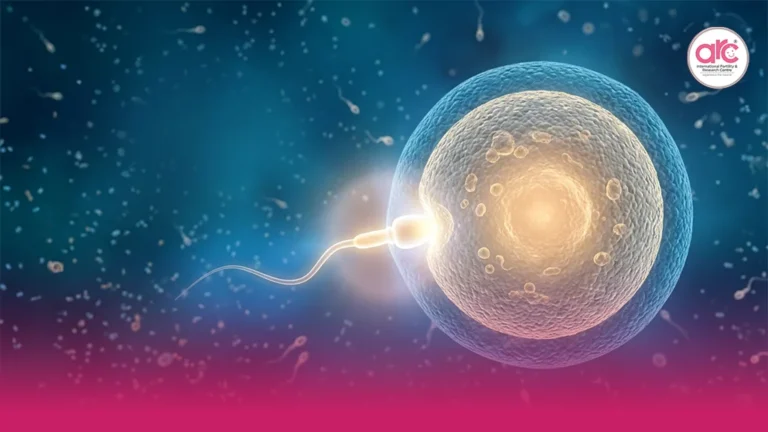
To understand assisted hatching, it helps to first understand what naturally happens to an embryo. In the early days after fertilisation, the embryo is surrounded by a thin outer shell called the zona pellucida. This protective layer supports the embryo while it develops in the lab or inside the reproductive tract.
Before implantation can happen, the embryo must “hatch” out of this shell. Once it comes out, it can attach to the lining of the uterus. Assisted hatching is a technique where an embryologist makes a tiny opening or thinning in the zona pellucida before embryo transfer. The intention is to make it easier for the embryo to hatch after transfer.
Most modern fertility labs use laser-assisted hatching because it is precise and quick when performed by trained embryologists. Older methods used chemicals or mechanical techniques, but laser technology allows better control. The procedure is done on the embryo in the IVF lab before transfer, not inside the woman’s body.
Why Hatching Matters for Implantation
Implantation is not a single event. It depends on several things working together: embryo development, uterine lining receptivity, hormone balance, transfer timing, and sometimes immune or anatomical factors. Assisted hatching only addresses one small part of this process: the embryo’s ability to emerge from its outer shell.
This is why it should not be seen as a magic solution for IVF failure. If implantation has not happened before, the reason may be related to embryo genetics, uterine factors, endometrial thickness, thyroid or hormonal issues, sperm-related factors, or simply biological chance. A good fertility team will not suggest assisted hatching without reviewing the bigger picture.
Many women also worry that daily activities after transfer may disturb implantation. While your doctor may give personalised restrictions, it is helpful to separate myths from medical reasoning. If this is one of your concerns, you may find ARC’s discussion on whether lifting heavy objects can affect implantation reassuring and practical.
Who May Benefit from Assisted Hatching?
Assisted hatching may be considered in certain IVF situations, especially where the embryo’s outer shell may be thicker or hatching may be less efficient. However, the decision is individual. Your fertility specialist and embryologist assess whether the potential benefit justifies doing the procedure.
1. Women of advanced reproductive age
Women above 35, and especially above 38, may sometimes be considered for assisted hatching. With increasing age, embryo quality and implantation potential can decline. Some embryos may also have a zona pellucida that appears harder or thicker. Assisted hatching may be discussed as one part of a broader strategy, although age-related IVF success still depends heavily on egg and embryo quality.
2. Previous failed IVF cycles
If a woman has had repeated embryo transfers without implantation, doctors may look more closely at whether assisted hatching could be useful. This does not mean failed IVF was caused by poor hatching. It simply means that, after reviewing embryo quality, uterine factors, and transfer technique, the team may consider additional lab support in selected cases.
3. Frozen embryo transfer cycles
Freezing and thawing techniques are now highly advanced, and many frozen embryo transfers do very well. Still, in some cases, the zona pellucida may become slightly hardened after freezing. Assisted hatching may be considered for certain frozen-thawed embryos, especially if the embryology team feels it may help the embryo hatch more easily.
4. Embryos with a thick zona pellucida
Sometimes, under the microscope, the embryologist may notice that the embryo’s outer shell appears thicker than usual. In such cases, assisted hatching may be considered even if the patient does not fall into another high-risk category.
5. Selected cases with poorer embryo development
When embryo development is slower or embryo quality is borderline, some clinics may consider assisted hatching. This must be done carefully, because poorer embryo quality can reflect deeper biological issues. Assisted hatching cannot correct chromosomal abnormalities or transform a weak embryo into a healthy one. It may only support the hatching step when the embryo has reasonable implantation potential.
Who Usually Does Not Need Assisted Hatching?
Many women undergoing IVF do not need assisted hatching at all. Younger women with good-quality embryos and no history of failed transfers may not gain any meaningful benefit from it. In fact, doing extra procedures without a clear reason is not always better.
This is an important point because patients often feel that adding more techniques means increasing the chance of pregnancy. In fertility treatment, the best plan is not always the most complex one. It is the one that matches your diagnosis, embryo status, and medical history.
Are There Any Risks?
Assisted hatching is generally considered safe when performed in a skilled IVF laboratory, but no embryo procedure is completely without risk. A small risk of embryo damage exists if the procedure is not done precisely. There may also be a slightly increased chance of identical twinning in some assisted reproduction settings, although this remains uncommon.
The more practical concern is inappropriate use. If assisted hatching is offered to everyone without explanation, patients may spend more without clear benefit. A trustworthy fertility doctor should explain why it is being recommended in your specific case, what evidence supports the decision, and whether it is optional.
Does Assisted Hatching Improve IVF Success Rates?
This is the question most patients want answered directly. Assisted hatching may improve implantation chances in selected groups, such as women with previous failed IVF cycles or certain frozen embryo transfers. But research does not support using it routinely for every patient.
Success in IVF depends on many factors: age, ovarian reserve, egg quality, sperm quality, embryo genetics, uterine lining, lab standards, and transfer timing. Male factors can also influence embryo development, so a complete fertility evaluation may include questions that seem unrelated at first. For example, past injuries can sometimes matter, which is why ARC also educates patients about issues such as old testicular injury and fertility years later.
In other words, assisted hatching should be understood as a supportive lab technique, not a guarantee. It may help the right patient in the right situation, but it cannot replace good diagnosis, careful stimulation, high-quality embryology, and personalised transfer planning.
What Happens During the Procedure?
From the patient’s side, assisted hatching does not usually change the embryo transfer experience. You do not need anaesthesia for assisted hatching itself because it is performed on the embryo in the lab. On the day of transfer, the embryologist prepares the embryo, creates a tiny opening in the zona pellucida if planned, and then the doctor transfers the embryo into the uterus using a thin catheter.
Your post-transfer instructions are usually similar to any IVF transfer. Most women can return to gentle normal activity unless advised otherwise. The waiting period after transfer can feel emotionally intense, so it helps to ask your clinic in advance what symptoms are normal, which medicines to continue, and when to take the pregnancy test.
Questions to Ask Your Fertility Doctor
Before agreeing to assisted hatching, you can ask a few simple but important questions:
Why are you recommending assisted hatching in my case? Is it because of my age, embryo shell thickness, frozen embryo transfer, or previous IVF history? Will it be done by laser? Are there any added costs? Does my embryo quality make me a suitable candidate? What other implantation factors have been reviewed?
These questions are not about doubting your doctor. They help you understand your treatment and feel more involved. Fertility treatment can feel overwhelming when decisions happen quickly; clear explanations can reduce anxiety and build trust.
ARC Fertility Hospitals’ Approach
At ARC Fertility Hospitals, assisted hatching is considered as part of an individualised IVF plan rather than a standard add-on for everyone. The medical and embryology teams evaluate the patient’s age, fertility diagnosis, embryo development, past IVF outcomes, and transfer plan before recommending it.
The goal is not to add every available technology, but to use the right technique when it has a reasonable purpose. For many women, that clarity matters as much as the treatment itself. When you understand why something is being done, the IVF journey becomes less confusing and more manageable.
Final Thoughts
Assisted hatching in IVF is a delicate lab technique designed to help selected embryos hatch from their outer shell before implantation. It may benefit women of advanced reproductive age, those with previous failed IVF cycles, some frozen embryo transfer cases, or embryos with a thick zona pellucida.
But it is not necessary for everyone, and it does not guarantee pregnancy. The most responsible decision comes from a complete fertility assessment and an honest discussion with your IVF specialist. If assisted hatching is recommended for you, ask why, understand the reasoning, and make the choice with confidence rather than fear.