Can Lifting Heavy Objects Prevent Implantation?
If you are trying to conceive, the days after ovulation or embryo transfer can feel unusually fragile. Many women become hyper-aware of every movement: climbing stairs, bending down, lifting a grocery bag, carrying a toddler, or doing routine housework. A common worry is simple but stressful: Can lifting heavy objects prevent implantation?
The reassuring answer is that, for most women, normal daily lifting does not prevent implantation. The embryo does not simply “fall out,” and the uterus is not an open space where movement dislodges it. Implantation is a microscopic biological process involving embryo quality, endometrial receptivity, hormones, blood flow, and immune signalling. However, this does not mean every form of strenuous activity is harmless for every person. Context matters, especially after IVF, during ovarian stimulation, or if you have pain, bleeding, ovarian enlargement, or a high-risk medical history.
At ARC Fertility Hospitals, many patients ask this question because they want to do everything right. That concern is understandable. But fertility care is not about living in fear of every physical action. It is about knowing what matters, what is safe, and when personalised medical advice is needed.
What Actually Happens During Implantation?
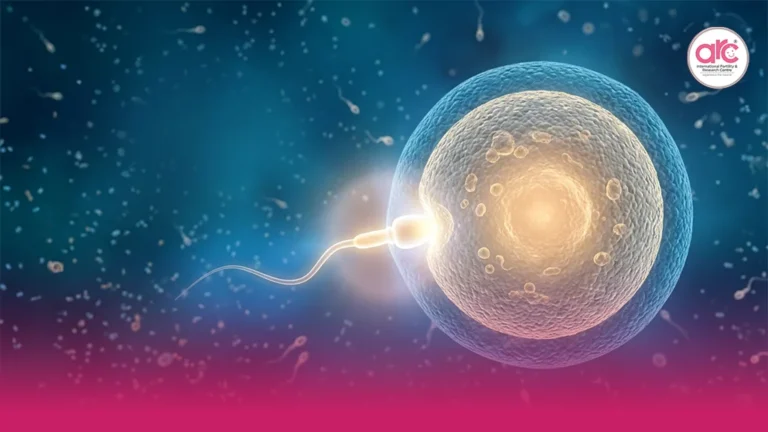
Implantation usually occurs around 6 to 10 days after ovulation in a natural cycle. In an IVF cycle, it depends on the stage of embryo transfer. During this time, the embryo reaches the uterus and begins attaching to the endometrial lining. This process is guided by hormonal preparation, embryo-endometrium communication, and the condition of the uterine lining.
The uterus is a muscular organ located deep within the pelvis. It is protected by pelvic bones, ligaments, muscles, and surrounding tissues. Everyday movements such as walking, bending, coughing, sneezing, or carrying light to moderate items do not usually interfere with implantation. This is why strict bed rest is generally not recommended for most women after embryo transfer or during the two-week wait.
When implantation problems occur, doctors usually look at factors such as embryo chromosomal health, uterine lining thickness and pattern, progesterone support, thyroid or prolactin imbalance, fibroids, endometrial polyps, adhesions, inflammation, and age-related egg quality. If implantation failure is recurrent, fertility specialists may evaluate the uterine cavity more closely. Conditions like polyps can sometimes disturb the lining, and learning about signs of endometrial polyps and implantation concerns can help patients understand why uterine assessment may be advised.
So, Does Heavy Lifting Stop Implantation?
There is no strong evidence that a single episode of lifting a heavy bag or picking up a child directly prevents implantation in a healthy woman. Implantation is not usually interrupted by brief physical effort. Many women conceive naturally while continuing their normal work, childcare, travel, and household routines.
That said, very heavy or repetitive lifting may not be ideal in certain situations. For example, women with physically demanding jobs, intense gym routines, or lifting that causes abdominal straining may be asked to reduce intensity during the post-ovulation phase or after embryo transfer. The concern is not that the embryo will be mechanically pushed out. The concern is that extreme exertion may increase discomfort, pelvic pressure, uterine irritability in some women, or risk in specific fertility treatment situations.
In other words, ordinary life is not the enemy of implantation. Overexertion, dehydration, overheating, and ignoring pain are the bigger concerns.
After IVF Embryo Transfer: Should You Avoid Lifting?
After an IVF embryo transfer, most fertility doctors advise returning to gentle routine activities rather than complete bed rest. Walking, light cooking, desk work, and normal self-care are usually fine. However, clinics commonly recommend avoiding heavy lifting, high-impact exercise, intense abdominal workouts, running, and strenuous labour for a short period after transfer.
This advice is partly precautionary and partly related to ovarian stimulation. After IVF, the ovaries may remain enlarged and tender. Heavy lifting or twisting movements may increase discomfort and, rarely, contribute to ovarian torsion risk in women with significantly enlarged ovaries. If there is a risk of ovarian hyperstimulation syndrome, your doctor may give stricter instructions.
A practical way to think about it is this: if an activity makes you hold your breath, strain your abdomen, feel pelvic pulling, or need sudden force, it is better to avoid it temporarily. If it feels gentle and controlled, it is usually acceptable unless your doctor has advised otherwise.
What Counts as Heavy Lifting?
There is no single weight limit that applies to every woman. A five-kilogram bag may feel light to one person and heavy to another, depending on fitness, body size, pregnancy history, pain levels, and fertility treatment stage. Instead of focusing only on the number, pay attention to body response.
Lifting may be considered too strenuous if it causes pelvic heaviness, abdominal tightening, lower back strain, breath-holding, dizziness, cramping, or spotting. Repeated lifting at work, lifting from the floor, carrying loads upstairs, or sudden jerky lifting may be more stressful than one controlled lift.
If you have just had an embryo transfer, egg retrieval, ovarian stimulation, recurrent miscarriage, severe endometriosis, fibroids, pelvic pain, bleeding, or a doctor-diagnosed high-risk condition, ask your fertility specialist for personalised guidance rather than relying on general internet advice.
What Should You Do During the Two-Week Wait?
The two-week wait can make even small decisions feel emotionally loaded. Many women blame themselves if a cycle does not succeed, wondering whether one lift, one staircase, one stressful day, or one forgotten precaution caused the outcome. This guilt is usually misplaced. Implantation depends on many biological factors that are not under conscious control.
During this period, aim for a steady, gentle routine. Eat regular meals, stay hydrated, sleep adequately, take prescribed progesterone or fertility medicines exactly as advised, and avoid smoking, alcohol, recreational drugs, and unapproved supplements. Moderate walking can support circulation and emotional stability. Gentle movement often feels better than lying still all day and overthinking every symptom.
Also remember that symptoms are not reliable proof of success or failure. Cramping, bloating, breast tenderness, tiredness, and mood changes can happen due to progesterone, premenstrual changes, early pregnancy, or IVF medications. A pregnancy test at the right time is more informative than symptom tracking.
When Should You Call a Fertility Doctor?
Seek medical advice if you experience heavy bleeding, severe abdominal pain, intense pelvic pressure, fainting, breathlessness, vomiting, rapidly increasing bloating, reduced urination, fever, or one-sided sharp pain after fertility treatment. These symptoms are not typical implantation signs and should not be ignored.
You should also speak with a specialist if you have been trying to conceive for more than 12 months under age 35, more than 6 months if you are 35 or older, or sooner if you have irregular periods, known PCOS, endometriosis, low ovarian reserve, repeated pregnancy loss, previous pelvic infection, or male factor infertility concerns.
How ARC Fertility Hospitals Approach Implantation Concerns
At ARC Fertility Hospitals, implantation-related worries are handled with both medical clarity and emotional sensitivity. Instead of giving vague reassurance, fertility specialists may review ovulation timing, semen parameters, ovarian reserve, uterine lining, hormonal support, previous cycle outcomes, and whether further tests such as ultrasound, hysteroscopy, or embryo assessment are needed.
For IVF patients, the care plan may include embryo grading, blastocyst transfer decisions, progesterone monitoring where appropriate, luteal phase support, and personalised post-transfer advice. The goal is not to burden patients with unnecessary restrictions. It is to create a treatment environment where the embryo, endometrium, and hormones are aligned as well as possible.
The Balanced Answer
So, can lifting heavy objects prevent implantation? In most cases, routine lifting and normal daily activities do not stop implantation. The embryo is not easily dislodged by movement, and strict rest is usually not required. But heavy, repetitive, high-strain lifting is best avoided after embryo transfer or during fertility treatment, especially if your ovaries are enlarged, you have pain, or your doctor has given specific precautions.
The healthiest approach is neither panic nor carelessness. Be gentle with your body, avoid unnecessary strain, follow your clinic’s instructions, and do not blame yourself for outcomes shaped by complex reproductive biology. If you are unsure whether your work, exercise, or home responsibilities are safe during the implantation window, a fertility consultation can give you advice that fits your medical situation rather than a one-size-fits-all answer.