What Happens to Egg Quality After Age 35?
For many women, 35 can feel like a number that suddenly carries too much emotional weight. One day you may be casually thinking about pregnancy, and the next you are hearing words like “egg quality,” “ovarian reserve,” or “advanced maternal age.” It can feel unfair, especially if you feel healthy, have regular periods, and have only recently started planning for a baby.
The truth is more balanced than the fear around it. Egg quality does decline with age, and the change becomes more noticeable after 35. But it does not mean pregnancy is impossible, and it does not mean every woman over 35 needs the same treatment. What matters is understanding what changes, how doctors evaluate your fertility, and when support can make a real difference.
What Does Egg Quality Actually Mean?
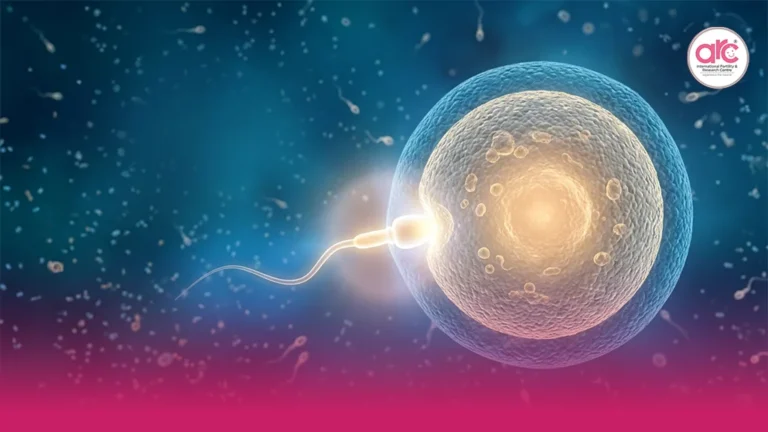
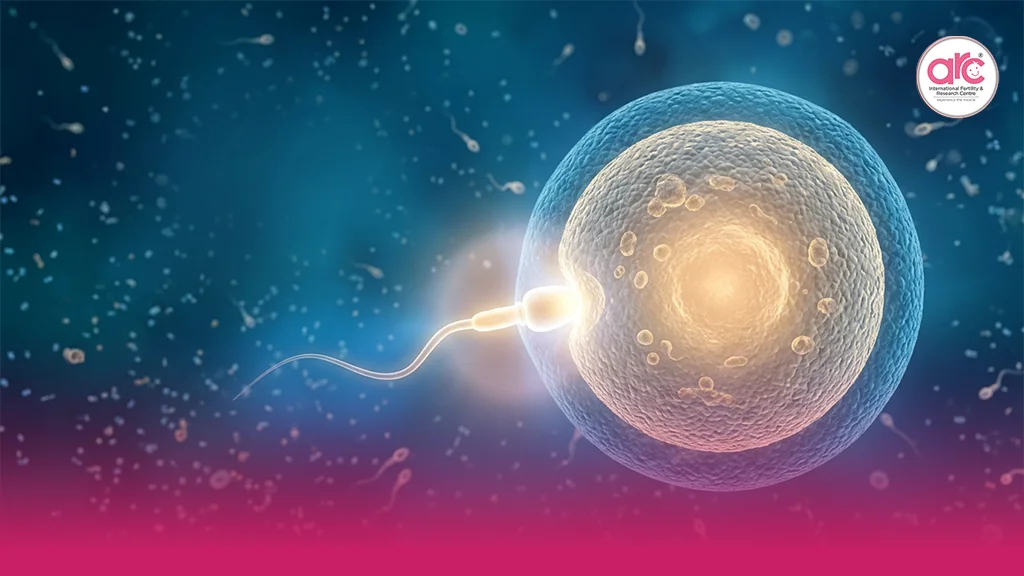
Egg quality is not about how an egg looks on a scan. It refers mainly to whether an egg has the right chromosomal balance and enough cellular energy to support fertilisation, embryo development, implantation, and early pregnancy. A good-quality egg is more likely to create a chromosomally normal embryo. A poorer-quality egg may fail to fertilise, stop developing early, fail to implant, or increase the risk of miscarriage.
Unlike sperm, which are produced continuously, women are born with their lifetime supply of eggs. Over time, both egg number and egg quality naturally reduce. By the mid-30s, the proportion of eggs with chromosomal errors begins to rise more clearly. This is why fertility may take longer, miscarriage risk may increase, and IVF outcomes may vary more from person to person after 35.
Why Egg Quality Changes After 35
Age affects eggs at a cellular level. As eggs remain in the ovaries for many years, they become more vulnerable to changes in the structures that help divide chromosomes correctly. If chromosomes do not separate properly, the embryo may have too many or too few chromosomes, a condition called aneuploidy.
Another important factor is mitochondrial function. Mitochondria provide energy to the egg, especially during fertilisation and early embryo division. With age, this energy system may become less efficient. This does not happen overnight at 35, but the decline becomes more clinically visible from the mid-30s onward.
Hormonal patterns can also shift. Some women notice shorter cycles, lighter periods, or occasional irregularity. Others have no symptoms at all. If your periods suddenly change or ovulation becomes unpredictable, it may help to understand why ovulation can stop suddenly and when medical evaluation is needed.
Egg Quality vs Ovarian Reserve: They Are Not the Same
Many women come to a fertility clinic asking, “Can I test my egg quality?” This is understandable, but there is no simple blood test that directly measures egg quality. Doctors can estimate ovarian reserve, which means the likely number of eggs remaining, through tests such as AMH, antral follicle count, and hormone levels like FSH and estradiol.
Ovarian reserve gives useful information, especially for planning treatment. However, it does not fully predict whether a woman can get pregnant naturally or whether every egg is healthy. A woman can have a normal AMH and still have age-related egg quality issues. Another woman may have a lower AMH but still produce a healthy egg. This is why fertility assessment is never based on one number alone.
Common Signs That Fertility May Need Attention After 35
Some women over 35 conceive naturally within a few months. Others need more time or medical support. You should consider seeing a fertility specialist if you are 35 or older and have been trying for six months without pregnancy. If you are over 40, have irregular cycles, known endometriosis, PCOS, fibroids, previous ovarian surgery, recurrent miscarriage, or a male-factor concern, it is better not to wait six months.
Signs that deserve attention include cycles becoming much shorter, periods becoming irregular, repeated chemical pregnancies, difficulty tracking ovulation, or a previous report of low AMH. Even without symptoms, evaluation can bring clarity. Many couples feel less anxious once they understand whether the issue is timing, ovulation, sperm health, tubal factors, egg reserve, or embryo quality.
Can Lifestyle Improve Egg Quality?
Lifestyle cannot reverse age-related egg changes, but it can support the environment in which eggs mature. This distinction matters. No diet, supplement, or wellness routine can make a 38-year-old ovary behave like a 25-year-old ovary. But sleep, nutrition, exercise, stress management, and avoiding smoking can support reproductive health and treatment readiness.
A practical approach includes maintaining a healthy weight, reducing alcohol, stopping tobacco, managing thyroid or diabetes issues, treating vitamin deficiencies, and taking prenatal folic acid as advised. Some doctors may recommend supplements such as CoQ10 in selected cases, but these should be discussed individually. The goal is not to chase perfection. It is to reduce avoidable stress on the reproductive system.
IUI or IVF After 35: How Doctors Decide
One of the biggest questions women ask is whether they should try IUI or move to IVF. The answer depends on age, ovarian reserve, sperm quality, tube health, how long you have been trying, and whether there have been miscarriages. IUI may be considered when ovulation is happening, tubes are open, sperm parameters are reasonable, and there is no major age-related urgency.
IVF may be recommended sooner after 35 if time is a major factor, AMH is low, there is male-factor infertility, tubes are blocked, endometriosis is significant, or previous IUIs have failed. IVF does not improve the genetic quality of eggs, but it allows doctors to stimulate multiple eggs, fertilise them in the laboratory, observe embryo development, and sometimes consider genetic testing of embryos when appropriate. This can make the treatment pathway more informative and targeted.
What About IVF Success After 35?
IVF success after 35 varies widely. Age is important, but it is not the only factor. A 36-year-old with good ovarian response and no major sperm or uterine issue may have a different outlook from a 39-year-old with low ovarian reserve and previous miscarriages. Embryo quality, uterine health, lab standards, stimulation protocol, sperm DNA integrity, and overall medical history all influence outcomes.
It is also important to have realistic expectations. IVF may require more than one cycle, especially when egg numbers are low or embryo quality is affected by age. A trustworthy fertility team will not promise pregnancy. Instead, they will explain your test results, expected egg response, possible embryo numbers, cost range, emotional load, and whether alternatives such as donor eggs should be discussed later if needed.
How Long Should You Try Naturally After 35?
If you are 35 to 39 and cycles are regular, many doctors suggest seeking evaluation after six months of trying. This does not mean you will immediately need IVF. It means you should not lose valuable time guessing. A basic workup can include ovulation assessment, AMH, ultrasound, semen analysis, thyroid and prolactin tests, and tubal evaluation if needed.
If you are closer to 40, have irregular periods, or already know you have low ovarian reserve, earlier consultation is sensible. Fertility after 35 is often about using time wisely, not panicking. Getting answers early can help you choose between timed intercourse, ovulation induction, IUI, IVF, or fertility preservation.
Cost Concerns Are Real, and They Deserve Honest Discussion
Many women delay fertility consultation because they fear being pushed into expensive treatment. A good consultation should not begin with IVF as the only answer. It should begin with diagnosis. Sometimes a couple needs cycle timing correction or treatment for ovulation issues. Sometimes IUI is reasonable. Sometimes IVF is the more time-sensitive option.
Cost depends on investigations, medicines, stimulation response, number of scans, IVF lab procedures, embryo freezing, genetic testing if advised, and whether additional male or female fertility treatment is required. Asking for a transparent estimate before starting helps couples plan emotionally and financially. At ARC Fertility Hospitals, the aim is to help patients understand why a treatment is suggested, not just what the treatment is. Women searching for a Fertiliy hospital in Chennai often need this kind of clear, step-by-step guidance rather than rushed decisions.
When to Meet a Fertility Specialist
You should consider a fertility consultation if you are over 35 and trying for six months, over 40 and planning pregnancy, have irregular ovulation, have had two or more miscarriages, have known endometriosis or PCOS, have low AMH, or your partner has abnormal semen results. Early evaluation does not take away natural hope. It gives you a clearer map.
For many women, the hardest part is not the test itself. It is the fear of what the test may reveal. But uncertainty is often heavier than information. A calm fertility assessment can help you understand your current fertility window, whether treatment is urgent, and what options are realistic for your body and your timeline. If you are looking for the Best Fertiliy hospital in Chennai, choose a team that explains age-related fertility with honesty, compassion, and medical clarity.
The Takeaway
Egg quality naturally declines after 35 because eggs are more likely to develop chromosomal and energy-related changes. This can affect conception time, miscarriage risk, and treatment outcomes. But age is not a verdict. It is a factor that helps guide smarter decisions.
If you are over 35 and thinking about pregnancy, the best next step is not fear. It is evaluation. With the right tests, an honest discussion, and a treatment plan suited to your age, ovarian reserve, and personal goals, you can move forward with more confidence and less confusion.