
IUI vs IVF: Which Fertility Treatment Is Right for You?
Choosing between IUI and IVF can feel emotionally heavy, especially when you are already carrying the stress of delayed conception, repeated negative pregnancy tests, or unclear fertility reports. Many women arrive at a fertility clinic with one common question: should we start with IUI, or is IVF the better option?
The honest answer is that there is no single treatment that is right for every couple. The best choice depends on your age, ovarian reserve, fallopian tube status, sperm health, duration of infertility, previous pregnancies, medical history, and how much time you can safely spend trying less intensive options. At ARC Fertility Hospitals, the goal is not to push every couple toward the same treatment, but to understand why pregnancy has not happened and then recommend the most sensible next step.
What Is IUI?
IUI, or intrauterine insemination, is a fertility treatment where prepared sperm is placed directly inside the uterus around the time of ovulation. The idea is simple: bring healthy, motile sperm closer to the egg, so fertilisation can happen naturally inside the body.
IUI is usually considered when the woman is ovulating or can ovulate with medicines, at least one fallopian tube is open, and the sperm count is reasonably suitable after processing. It may be recommended for mild male factor infertility, unexplained infertility, ovulation-related issues, or couples who need donor sperm.
For many women, IUI feels less intimidating because it is quicker, less invasive, and generally less expensive than IVF. A typical IUI cycle may involve ovulation tracking, fertility medicines if needed, ultrasound monitoring, a trigger injection, and the insemination procedure. The procedure itself is usually short and does not require anaesthesia.
What Is IVF?
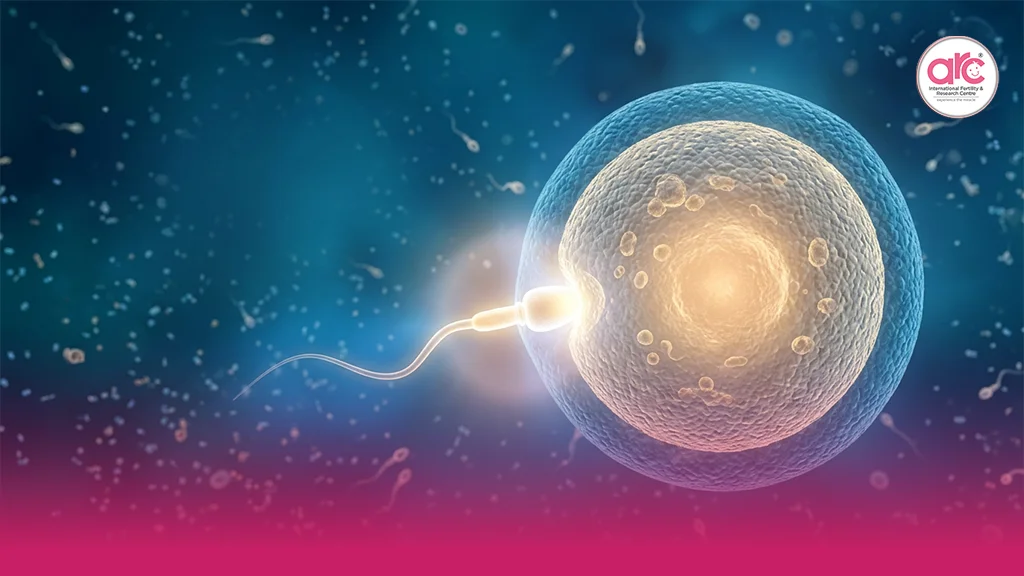
IVF, or in vitro fertilisation, is a more advanced treatment where eggs are retrieved from the ovaries and fertilised with sperm in a laboratory. The resulting embryo is then transferred into the uterus. Unlike IUI, fertilisation happens outside the body, which gives doctors more control and more information about egg response, sperm fertilisation, and embryo development.
IVF may be advised when the fallopian tubes are blocked, sperm parameters are significantly low, the woman is older, ovarian reserve is reduced, endometriosis is moderate to severe, previous IUI cycles have failed, or infertility has continued for several years without a clear cause. IVF may also be used when genetic testing of embryos is medically indicated.
IVF is more involved than IUI. It includes ovarian stimulation, repeated scans, egg retrieval, fertilisation in the lab, embryo culture, embryo transfer, and luteal phase support. While it asks more from the body, mind, and budget, it may also offer a stronger chance per cycle in many situations, especially when time is an important factor.
IUI vs IVF: The Main Differences
1. Where fertilisation happens
In IUI, fertilisation happens inside the fallopian tube after sperm is placed in the uterus. In IVF, eggs and sperm are brought together in the embryology lab, and an embryo is transferred later. This is why IVF can bypass some problems that IUI cannot, such as blocked tubes or severe sperm-related concerns.
2. Level of medical control
IUI supports the natural process. IVF observes and assists more stages of reproduction. With IVF, doctors can see how many eggs are retrieved, whether fertilisation occurs, and how embryos develop. That information can be valuable when previous reports appear normal but pregnancy still has not happened.
3. Treatment duration
An IUI cycle is usually shorter and simpler, often completed within one menstrual cycle. IVF also usually follows a cycle-based plan, but it requires more appointments, injections, lab steps, and follow-up. Some couples may need a frozen embryo transfer cycle later, depending on medical safety and embryo planning.
4. Cost considerations
IUI usually costs less per cycle than IVF. However, cost should be understood in relation to the number of attempts and the likelihood of success. Three or four unsuccessful IUI cycles can become emotionally and financially tiring, especially if IVF was medically more appropriate from the beginning. A good fertility plan considers both affordability and time sensitivity.
5. Success expectations
IVF generally has higher success potential per cycle than IUI, but success still depends on age, egg quality, sperm quality, embryo quality, uterus health, lifestyle factors, and underlying diagnosis. No responsible fertility centre should promise pregnancy from either treatment. What doctors can do is estimate your realistic chances and help you choose wisely.
When IUI May Be the Right First Step
IUI may be suitable if you are younger, have a good ovarian reserve, open fallopian tubes, mild sperm issues, or unexplained infertility of short duration. It can also be a reasonable first approach when ovulation can be corrected with medicines and there are no major female or male fertility barriers.
For example, a woman in her early thirties with regular periods, normal tubes, and a partner with mildly reduced sperm motility may be offered a few IUI cycles before IVF is considered. But even in such cases, doctors usually set a limit. Continuing IUI indefinitely may delay more effective treatment.
Before IUI, fertility specialists often check hormone levels, ovulation pattern, ultrasound findings, semen analysis, and tubal patency. Conditions such as thyroid imbalance can also affect cycles and conception, so understanding how thyroid problems affect ovulation and fertility can be important before choosing a treatment path.
When IVF May Be the Better Option
IVF may be recommended sooner if you are above 35, have low AMH or reduced ovarian reserve, blocked tubes, significant male infertility, severe endometriosis, repeated pregnancy loss requiring embryo evaluation, or multiple failed IUI cycles. It may also be advised when infertility has continued for a long time and waiting further may reduce the chances of using your own eggs.
This is where age becomes more than just a number. Egg quantity and quality decline with time, and fertility treatment planning must respect that biology. A woman who is 28 and trying for one year may have more room to attempt IUI than a woman who is 39 with low ovarian reserve. The right treatment is not the easiest option; it is the option that protects your chances without unnecessary delay.
How Doctors Decide Between IUI and IVF
A fertility specialist does not decide based on one report alone. The decision usually comes from a full fertility evaluation: menstrual history, ultrasound scan, AMH, hormone tests, semen analysis, tubal testing, previous treatment history, medical conditions, and emotional readiness. At times, both treatments may be medically possible, but one may be more practical based on time, cost, and success probability.
If you are searching for a Fertiliy hospital in Chennai, look for a team that explains why a treatment is recommended, not just what the treatment is called. The consultation should leave you clearer, not more pressured.
The Emotional Side of Choosing Treatment
Many women feel guilty about “moving too fast” to IVF or frustrated about “wasting time” with IUI. Both feelings are common. Fertility decisions are not just medical decisions; they touch marriage, family expectations, finances, work schedules, and private grief that others may not see.
A thoughtful fertility team will not dismiss these emotions. Instead, they will help you understand your options in plain language: what is possible, what is unlikely, how long to try, when to change direction, and what signs suggest a different plan is needed. ARC Fertility Hospitals brings this patient-centred approach to fertility care, supporting couples with investigation, counselling, treatment planning, and advanced reproductive technology when needed.
So, Which Treatment Is Right for You?
IUI may be right if your fertility factors are mild, your tubes are open, sperm health is acceptable, and time is on your side. IVF may be right if there are stronger medical barriers, age-related concerns, reduced ovarian reserve, tubal disease, severe sperm issues, or previous failed treatments.
The most important step is not choosing IUI or IVF from online information alone. It is getting a complete fertility assessment and discussing your realistic chances with a specialist. If you are comparing clinics and looking for the Best Fertiliy hospital in Chennai, choose one that gives you clarity, respects your pace, and recommends treatment based on evidence rather than fear.
Fertility treatment is not about proving patience or rushing into advanced care. It is about using the right treatment at the right time, with the right medical reasoning. When you understand the difference between IUI and IVF, the decision becomes less frightening and more guided.
