
When a woman begins fertility treatment, one of the first questions she often asks is simple but deeply emotional: which treatment gives me a better chance? That is why many couples search for What Is the Difference Between IUI and IVF Success Rates? The honest answer is that IVF usually has higher success rates than IUI, but the right treatment is not decided by numbers alone.
Success depends on age, egg quality, sperm health, fallopian tube condition, ovulation pattern, duration of infertility, previous pregnancy history, and the reason conception has not happened yet. At ARC Fertility Hospitals, doctors focus on matching the treatment to the couple’s diagnosis rather than rushing everyone toward the most advanced option.
What IUI Does Differently
IUI, or intrauterine insemination, is a simpler fertility treatment. In this process, washed and prepared sperm are placed directly inside the uterus around the time of ovulation. The goal is to bring good-quality sperm closer to the egg, reducing the distance sperm must travel.
However, fertilisation still has to happen naturally inside the woman’s body. The egg must release, the fallopian tube must pick it up, sperm must meet the egg, fertilisation must occur, and the embryo must travel into the uterus and implant. This means IUI depends heavily on the body’s natural reproductive function.
IUI may be considered when the woman is ovulating, at least one fallopian tube is open, sperm parameters are mildly affected, or infertility is unexplained. It is also less invasive, usually quicker, and often emotionally easier to begin with.
How IVF Is Different
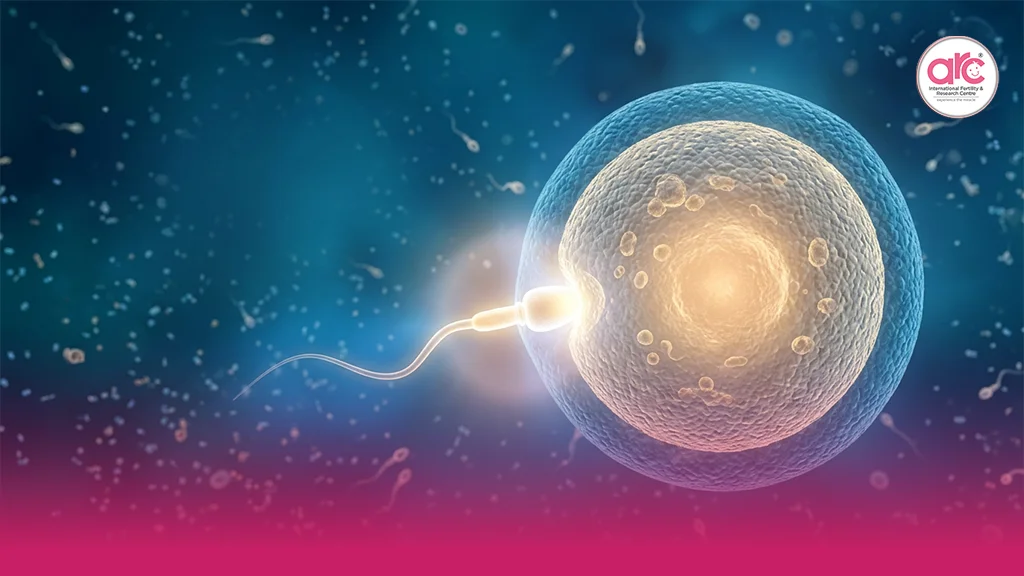
IVF, or in vitro fertilisation, involves stimulating the ovaries to produce multiple eggs, retrieving those eggs, fertilising them with sperm in a laboratory, and transferring an embryo into the uterus. Because fertilisation happens outside the body, IVF allows doctors to observe egg response, sperm interaction, embryo development, and embryo quality more closely.
This is one reason IVF often has higher success rates than IUI. IVF bypasses certain barriers, especially when fallopian tubes are blocked, sperm count is significantly low, endometriosis is more advanced, or infertility has continued for several years.
Women comparing clinics often want a place that explains these steps without pressure. Speaking with a Fertiliy hospital in Chennai can help couples understand whether IUI is reasonable to try first or whether IVF may offer a more practical route based on their medical findings.
IUI vs IVF Success Rates: The Practical Difference
In general, IUI has a lower success rate per cycle compared with IVF. For many women, IUI success may be around 10% to 20% per cycle, depending on age and diagnosis. IVF success rates are often higher per embryo transfer, especially in younger women using good-quality embryos. But these are broad ranges, not promises.
The biggest practical difference is control. IUI supports natural conception. IVF gives the medical team more information and more control over key steps, including egg retrieval, fertilisation, embryo growth, and embryo selection. That extra information is often valuable when previous attempts have failed or when time is an important factor.
Still, IVF is not automatically the first answer for everyone. A 29-year-old woman with open tubes, regular ovulation, and mild male factor infertility may reasonably try IUI. A 38-year-old woman with low ovarian reserve, blocked tubes, or repeated failed IUI cycles may be advised not to lose valuable time.
Why Age Changes the Conversation
Age is one of the strongest influences on both IUI and IVF outcomes. As age increases, egg number and egg quality usually decline. This affects the chance of fertilisation, embryo development, implantation, and miscarriage risk.
With IUI, age matters because the treatment relies on the egg released naturally that month. With IVF, doctors may retrieve multiple eggs, but egg quality still affects how many embryos form and how many are suitable for transfer. Because age influences egg quality so directly, it is helpful to understand what happens to egg quality after age 35 before deciding how long to continue simpler treatments.
This is why fertility doctors often discuss timelines differently for women in their early thirties compared with women in their late thirties or early forties. The question is not only “Can IUI work?” but also “How much time can we safely spend trying it?”
When Doctors May Recommend IUI First
IUI may be suggested when the fertility evaluation shows a reasonable chance that sperm and egg can meet naturally. This may include unexplained infertility, mild sperm issues, ovulation problems that respond to medication, or situations where intercourse timing has been difficult.
Usually, doctors do not recommend unlimited IUI cycles. If pregnancy does not happen after a few well-timed attempts, especially when the woman is above 35, the treatment plan may need to change. Repeating the same treatment without improvement can become emotionally and financially exhausting.
For many women, the hardest part is not the injection or procedure. It is the waiting, the hope, the negative test, and the question of whether to continue. A good fertility plan should respect both medical logic and emotional fatigue.
When IVF May Be the Better Option
IVF may be recommended earlier when there are blocked fallopian tubes, moderate to severe male infertility, severe endometriosis, low ovarian reserve, repeated pregnancy loss requiring embryo evaluation, or multiple failed IUI cycles. It may also be considered when age makes time more important.
IVF can feel like a big step, and it is normal to worry about injections, cost, embryo transfer, and whether the effort will be worth it. The advantage is that IVF gives clearer information. Doctors can see how the ovaries respond, how many eggs are retrieved, whether fertilisation occurs, and how embryos develop.
For a woman who has spent years hearing “just keep trying,” that clarity can be emotionally relieving. It may not remove uncertainty, but it replaces guesswork with evidence.
Cost Expectations: Cheaper Per Cycle Is Not Always Cheaper Overall
IUI usually costs less than IVF per cycle. This makes it attractive for couples who are medically suitable for it. But cost should be understood over the full treatment journey, not just one attempt.
If a woman goes through several IUI cycles without success and then moves to IVF, the total expense, time, and emotional burden may become higher. On the other hand, going straight to IVF when IUI has a fair chance may feel unnecessarily intense. The most cost-conscious choice is often the treatment that fits the diagnosis best.
This is why a detailed fertility workup matters. Hormone tests, ultrasound assessment, semen analysis, tubal evaluation, and medical history help doctors estimate whether IUI is reasonable or whether IVF is more appropriate.
How to Decide Between IUI and IVF
A good decision usually comes from asking the right questions, not chasing the highest published success rate. Women should ask: Are my tubes open? Am I ovulating regularly? How old am I? What is my ovarian reserve? Is sperm quality normal, mildly reduced, or severely affected? How long have we been trying? Have we already had failed cycles?
At ARC Fertility Hospitals, counselling is designed to help women understand the reason behind a recommendation. If IUI is advised, the couple should know why it has a fair chance. If IVF is advised, they should understand which barrier IVF is helping to overcome.
Women looking for the Best Fertiliy hospital in Chennai should look beyond equipment and success claims. The more important question is whether the team explains options clearly, avoids false promises, and builds a plan around your age, diagnosis, and emotional readiness.
The Bottom Line
IVF generally has higher success rates than IUI, but higher does not always mean better for every woman at every stage. IUI can be a sensible first step for selected couples, especially when age is favourable and the fertility evaluation is reassuring. IVF may be more effective when there are clear medical barriers, repeated failed attempts, or age-related urgency.
The right choice is personal, medical, and time-sensitive. If you are confused between IUI and IVF, the next best step is not to compare numbers alone. It is to get a complete fertility assessment and discuss what those numbers mean for your body, your diagnosis, and your future plans.
