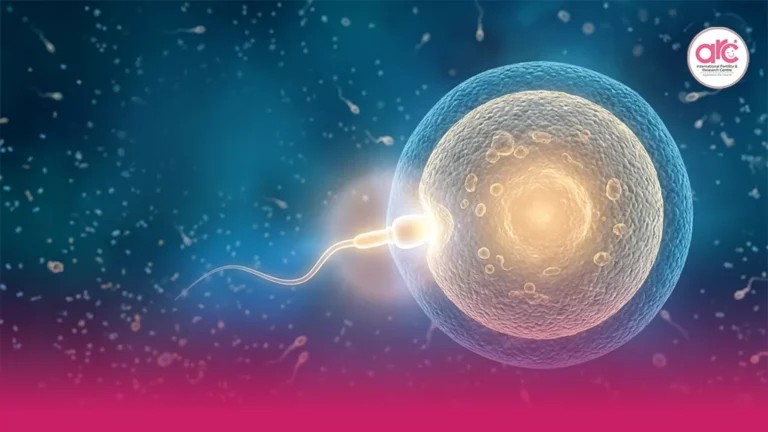
Does Taking Ashwagandha Boost Testosterone and Sperm Count in Men?
When a couple is trying to conceive, it is very common for most of the attention to fall on the woman’s cycle, ovulation dates, pregnancy symptoms, and testing. But fertility is shared. Male factors can contribute to delayed conception, and naturally, many couples begin looking for safe ways to improve sperm count, sperm movement, and testosterone levels.
Ashwagandha is one of the most talked-about herbal supplements for men’s fertility. You may have seen claims that it can raise testosterone, reduce stress, improve sperm count, and increase the chance of pregnancy. The more honest answer is this: Ashwagandha may support certain fertility-related markers in some men, especially where stress, oxidative imbalance, or borderline semen parameters are involved, but it is not a guaranteed treatment for infertility.
For women seeking fertility information, this distinction matters. If your partner starts a supplement without testing, months can pass without understanding the real reason conception is taking time. Supplements may have a role, but they should not replace a semen analysis, hormone evaluation, or specialist guidance when pregnancy is not happening as expected.
What Is Ashwagandha and Why Is It Linked to Male Fertility?
Ashwagandha, also known as Withania somnifera, is an Ayurvedic herb traditionally used for stress, stamina, and general vitality. Its connection to male fertility comes mainly from three possible mechanisms: stress reduction, antioxidant activity, and hormonal support.
Stress can influence reproductive hormones. Poor sleep, chronic pressure, alcohol use, smoking, obesity, heat exposure, and certain illnesses can also affect sperm production. Since sperm take roughly two to three months to develop, lifestyle changes or supplements usually need time before any measurable difference appears in a semen report.
Some studies have reported improvements in sperm concentration, motility, semen volume, and testosterone after Ashwagandha use, particularly in men with stress-related or unexplained fertility concerns. However, study sizes, supplement doses, extract quality, and participant groups vary. That means the results are encouraging but not strong enough to treat Ashwagandha as a proven fertility cure.
Can Ashwagandha Increase Testosterone?
Ashwagandha may modestly improve testosterone levels in some men, especially when low testosterone is related to stress, poor sleep, or overall metabolic health. It may help by reducing cortisol, supporting better recovery, and improving general wellbeing. But if testosterone is low because of testicular failure, pituitary hormone problems, genetic causes, severe obesity, medication effects, or varicocele-related damage, a supplement alone is unlikely to correct the root cause.
This is where proper testing becomes important. A fertility specialist may advise blood tests such as total testosterone, FSH, LH, prolactin, thyroid profile, and sometimes estradiol, depending on the semen report and symptoms. Low libido, erectile difficulty, low energy, reduced shaving frequency, or very low sperm count may need medical evaluation rather than self-treatment.
Can Ashwagandha Improve Sperm Count and Motility?
There is some evidence that Ashwagandha may improve sperm count and motility in certain men, possibly due to antioxidant effects and stress reduction. Oxidative stress can damage sperm DNA and reduce sperm movement. Antioxidant support may help in selected cases, but it is not the same as correcting blocked ducts, severe varicocele, hormonal imbalance, infections, genetic issues, or very low sperm production.
A semen analysis is still the starting point. It looks at sperm count, motility, morphology, volume, and other factors. If the result is abnormal, doctors often repeat the test because sperm values can fluctuate due to fever, recent illness, abstinence duration, lab variation, and lifestyle factors. A single report should not cause panic, but repeated abnormalities should not be ignored.
If you are unsure where to begin, consulting a Fertiliy hospital in Chennai can help both partners receive a structured evaluation instead of trying random supplements for months.
Why Women Should Not Carry the Whole Fertility Burden
Many women quietly track cycles, cervical mucus, ovulation kits, missed periods, and early symptoms while their partner assumes everything is fine. This emotional imbalance is common, but it is not fair. Male fertility testing is simple compared with many female investigations, and it can provide important answers early.
If you have been timing intercourse correctly and pregnancy has not happened after 12 months, or after 6 months if you are 35 or older, both partners should be evaluated. If cycles are irregular, there is known PCOS, endometriosis, previous miscarriage, pelvic infection, or the male partner has a history of testicular surgery, mumps, diabetes, smoking, steroid use, or chemotherapy, it is sensible to seek help sooner.
Women also often wonder when they can check for pregnancy after timed intercourse or treatment cycles. For clear guidance on early testing, you can read about how soon a pregnancy test may turn positive and avoid the anxiety of testing too early.
When Ashwagandha May Be Reasonable—and When It Is Not Enough
Ashwagandha may be reasonable as part of a broader fertility plan when the male partner has mild semen abnormalities, high stress, poor sleep, or lifestyle-related concerns, and when a doctor confirms it is safe. It should be combined with practical steps: stopping smoking, limiting alcohol, maintaining a healthy weight, exercising moderately, improving sleep, avoiding heat exposure to the testes, and treating infections or varicocele when present.
It is not enough when semen analysis shows azoospermia, very low sperm count, severely reduced motility, recurrent IVF failure linked to sperm quality, suspected hormonal disease, sexual dysfunction, or a history suggesting obstruction or testicular damage. In such situations, delaying medical care can reduce valuable time, especially if the female partner’s age or ovarian reserve is also a concern.
Safety: Who Should Be Careful with Ashwagandha?
“Natural” does not always mean risk-free. Ashwagandha can cause stomach upset, drowsiness, or allergic reactions in some people. Rare liver-related concerns have been reported with herbal products. Men taking thyroid medication, sedatives, immune-suppressing medicines, diabetes medicines, blood pressure medicines, or hormone-related treatment should speak to a doctor before using it.
Quality is another issue. Herbal supplements can vary in strength and purity. Couples should avoid combining multiple fertility supplements without medical advice, because high doses of certain ingredients may not be safe or useful. If your partner is already undergoing fertility treatment, always inform the fertility specialist about any supplement use.
How Fertility Doctors Usually Approach Male Fertility Concerns
A careful fertility plan does not begin with assumptions. It starts by asking: Is ovulation happening? Are the fallopian tubes likely open? Is ovarian reserve appropriate for age? Is the semen report normal? Are intercourse timing and frequency adequate? Are there medical conditions affecting either partner?
For men, the evaluation may include semen analysis, physical examination by an andrologist or urologist, hormone tests, scrotal ultrasound if varicocele is suspected, infection screening when indicated, and advanced sperm tests in selected cases. Treatment may range from lifestyle correction and antioxidants to medicines, varicocele treatment, IUI, IVF, or ICSI, depending on the cause and severity.
Couples comparing natural support, IUI, and IVF should remember that the best choice depends on diagnosis, age, duration of infertility, semen quality, tube status, and previous treatment history. The Best Fertiliy hospital in Chennai should help you understand why a particular treatment is advised, not just offer a standard package.
Ashwagandha and Male Fertility: What to Remember
| Question | Practical Answer | Why It Matters |
|---|---|---|
| Can it boost testosterone? | Possibly in some men, especially where stress and poor sleep are contributing factors. | Low testosterone still needs medical evaluation if symptoms or abnormal semen results are present. |
| Can it improve sperm count? | It may support sperm parameters in selected cases, but results are not guaranteed. | Sperm problems can have structural, hormonal, genetic, or lifestyle causes. |
| How long before changes appear? | Any fertility-related change may take around two to three months to reflect in semen quality. | Sperm development is gradual, so immediate results are unrealistic. |
| Can it replace fertility treatment? | No. It may be supportive, not a substitute for diagnosis or treatment. | Delaying care can matter when age, ovarian reserve, or severe male factor is involved. |
| Should every man take it? | No. Safety, medicines, health conditions, and semen findings should guide use. | Personalised fertility care is safer than self-prescribing supplements. |
Final Thoughts
Ashwagandha may have a supportive role in male fertility, particularly for stress-related reproductive health and mild sperm concerns. But it should be viewed as one part of a bigger picture, not as a shortcut to pregnancy. For couples trying to conceive, the most helpful step is not guessing who may have the problem. It is evaluating both partners with care, dignity, and clarity.
If you are tracking every cycle while your partner has not had a semen analysis yet, consider making male fertility testing part of the next conversation. The goal is not blame. The goal is time-saving, emotionally balanced, medically sound decision-making—so both of you move forward with answers, not assumptions.
Frequently Asked Questions
Get answers to common questions about IVF treatment at ARC Fertility
Does Ashwagandha definitely increase sperm count in men?
No. Ashwagandha may improve sperm count or motility in some men, especially when stress or oxidative imbalance is involved, but it does not work for everyone. A semen analysis is necessary to understand whether sperm count is actually low and what may be causing it.
Can my partner take Ashwagandha while we are trying to conceive?
He may be able to, but it is better to discuss it with a doctor first, especially if he takes medicines for thyroid, diabetes, blood pressure, sleep, immunity, or hormones. Supplement quality and dosage also matter, so self-prescribing is not always safe.
How long does Ashwagandha take to affect sperm quality?
Sperm production takes about two to three months, so any meaningful change in semen parameters usually takes time. If your partner starts any lifestyle change or supplement, doctors often reassess semen quality after a suitable interval rather than expecting immediate results.
Should we try Ashwagandha before seeing a fertility specialist?
If you have been trying for less than a year and there are no known concerns, basic lifestyle improvement may be reasonable. But if you are 35 or older, have irregular cycles, previous miscarriage, known reproductive conditions, or your partner has risk factors, it is better not to delay evaluation.
Can Ashwagandha replace IVF, IUI, or male infertility treatment?
No. Ashwagandha is not a replacement for fertility treatment. If sperm count is very low, motility is severely reduced, tubes are blocked, ovulation is irregular, or age-related fertility decline is present, medical treatment may be needed based on the diagnosis.
What tests should my partner do if we are not conceiving?
The first test is usually a semen analysis. Depending on the result, a fertility specialist may suggest repeat testing, hormone tests, infection screening, physical examination, ultrasound for varicocele, or advanced sperm testing in selected situations.
Can low testosterone be treated naturally?
Some lifestyle-related testosterone issues may improve with better sleep, weight management, reduced alcohol, exercise, stress control, and correction of medical problems. However, clinically low testosterone needs proper evaluation because the cause may be hormonal, testicular, medication-related, or metabolic.