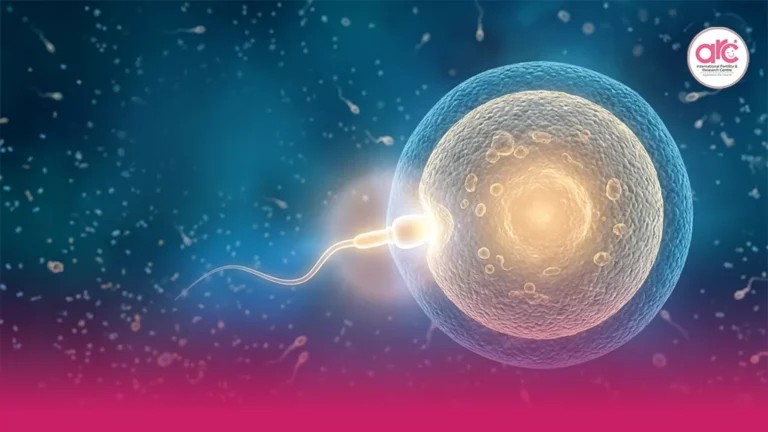
Sperm Abnormalities Explained: Low Count, Poor Motility & Abnormal Morphology Types
When a couple is trying to conceive, most of the early worry often falls on the woman. Periods are tracked, ovulation kits are used, scans are done, and every delay can feel personal. But fertility is shared. Sperm health is one of the most important parts of conception, and abnormalities in sperm count, movement or shape can quietly affect the chances of pregnancy even when intercourse timing seems correct.
A semen analysis can feel intimidating for couples, especially when the report uses unfamiliar words such as oligospermia, asthenozoospermia or teratozoospermia. These terms sound heavy, but they are simply medical ways of describing how many sperm are present, how well they move, and whether their structure appears normal. Understanding these findings can reduce fear and help couples take the next step with clarity.
What Does a Semen Analysis Actually Look For?
A semen analysis is usually one of the first tests advised when pregnancy has not happened after regular unprotected intercourse. It does not judge masculinity, sexual performance or overall health. It only studies the sample for features that matter for fertilisation.
The main parameters include sperm concentration, total sperm count, motility, morphology, semen volume, liquefaction time and sometimes signs of infection or inflammation. One abnormal report does not always mean permanent infertility. Sperm production changes over time and may be affected by fever, stress, smoking, alcohol, certain medicines, heat exposure, varicocele, hormonal issues, infections or lifestyle factors. Doctors often repeat the test before making major treatment decisions.
For women, this is important to know because normal ovulation and open fallopian tubes may still not lead to pregnancy if sperm are unable to reach or fertilise the egg effectively. If both partners have been told that “everything is normal” but pregnancy is still not happening, it may help to understand why normal fertility tests may not always explain delayed conception.
Low Sperm Count: What It Means
Low sperm count means the semen contains fewer sperm than expected for natural conception. The medical term is oligospermia. If sperm are absent from the sample, it is called azoospermia. A lower count reduces the number of sperm available to travel through the cervix, uterus and fallopian tube to meet the egg.
Low count can happen for many reasons. Some men have hormonal imbalances that affect sperm production. Others may have varicocele, a swelling of veins around the testicle that can raise temperature and affect sperm quality. Past infections, undescended testes, genetic factors, anabolic steroid use, smoking, obesity and prolonged heat exposure may also contribute. Sometimes no single cause is found.
Treatment depends on the reason and severity. Mild reductions may improve with lifestyle changes and treatment of correctable causes. In other situations, fertility treatment such as IUI, IVF or ICSI may be discussed. ICSI, where a single sperm is injected directly into an egg in the laboratory, may be useful when the count is very low or when sperm quality makes natural fertilisation difficult. It is not a shortcut for everyone; it is chosen based on the couple’s full fertility picture.
Poor Sperm Motility: Why Movement Matters
Motility refers to how sperm move. For natural conception, sperm need to swim forward in a purposeful way. Poor motility, called asthenozoospermia, means many sperm are slow, weak, non-progressive or immobile. Even if the count is reasonable, poor movement can reduce the chance of sperm reaching the egg.
This is where couples often feel confused. A report may show “millions of sperm,” yet pregnancy may still not happen because movement is not strong enough. Motility can be affected by oxidative stress, infections, varicocele, smoking, heat, poor sleep, toxins and prolonged abstinence before testing. Some causes are reversible, while others need assisted reproductive support.
In mild motility problems, doctors may advise correcting lifestyle factors, treating infection if present, and repeating the test. IUI may be considered if the total motile sperm count after semen preparation is adequate and the woman’s tubes are open. If motility is severely reduced, IVF with ICSI may be more appropriate because sperm do not need to travel the same long distance on their own.
Abnormal Morphology: Does Shape Really Matter?
Morphology means sperm shape. A sperm has a head, midpiece and tail. The head carries genetic material, the midpiece provides energy, and the tail helps movement. Abnormal morphology, called teratozoospermia, means a higher proportion of sperm have unusual shapes, such as large or small heads, double heads, bent necks or tail defects.
This finding can worry couples because the word “abnormal” sounds serious. But morphology must be interpreted carefully. Many men have a large percentage of unusually shaped sperm and may still conceive naturally, especially if count and motility are good. Doctors do not usually treat morphology as an isolated number. They look at the full semen report, female partner’s age, duration of infertility, ovulation, tubal status and previous pregnancy history.
Severe morphology issues may make it harder for sperm to bind to or penetrate the egg. In such cases, IVF with ICSI may be discussed because embryologists can select sperm that appear suitable under the microscope. Still, morphology alone does not guarantee or rule out pregnancy.
Why Women Should Not Carry the Whole Fertility Burden
Many women come to fertility clinics after months or years of tracking their cycle, changing diet, taking supplements and wondering what they did wrong. A semen analysis can shift the conversation from blame to biology. Male-factor infertility is common, and it may exist alone or along with female factors such as age-related egg decline, PCOS, endometriosis or tubal concerns.
At ARC Fertility Hospitals, couples are encouraged to approach fertility as a shared evaluation rather than a woman-only investigation. If you are searching for a Fertiliy hospital in Chennai, it is helpful to choose a centre that assesses both partners early, explains reports clearly and avoids rushing into treatment without understanding the cause.
When Do Sperm Abnormalities Need Treatment?
Treatment is not based on one number alone. Doctors consider the semen report, repeat test results, physical examination, hormone levels when needed, ultrasound findings, medical history and the woman’s age. A 28-year-old woman with normal ovulation and mild sperm motility issues may be guided differently from a 38-year-old woman with reduced ovarian reserve and the same semen report.
This is why personalised fertility planning matters. Some couples need only time, lifestyle correction and monitoring. Some may benefit from IUI. Others may be advised IVF or ICSI sooner because waiting may reduce the woman’s reproductive window. Cost is also discussed realistically, because semen analysis, medicines, IUI, IVF and ICSI involve different financial levels. A responsible clinic should explain why a treatment is suggested, what alternatives exist and what expectations are realistic.
Common Sperm Abnormalities at a Glance
| Finding | What It Means | Possible Impact | Usual Next Step |
|---|---|---|---|
| Low sperm count | Fewer sperm are present in the semen sample | Fewer sperm may reach the egg naturally | Repeat semen analysis, identify causes, consider IUI, IVF or ICSI depending on severity |
| Poor motility | Sperm movement is weak, slow or not forward-moving | Sperm may struggle to travel through the female reproductive tract | Assess total motile sperm count, treat correctable causes, consider IUI or IVF/ICSI |
| Abnormal morphology | A higher proportion of sperm have unusual shape | Fertilisation may be harder in severe cases | Interpret with count and motility; IVF with ICSI may be discussed if severe |
| Combined abnormalities | Count, movement and shape are all affected | Natural conception chances may be reduced more significantly | Detailed male evaluation and couple-based fertility planning |
What Couples Can Do Next
If a semen report shows abnormal results, do not panic and do not assume the journey is over. The practical next step is to meet a fertility specialist or andrologist who can interpret the report in context. Avoid self-medicating with supplements or testosterone products, because some hormones can actually reduce sperm production.
Helpful changes may include stopping smoking, reducing alcohol, improving sleep, managing weight, avoiding heat exposure to the testes, treating infections, controlling diabetes if present and reviewing medications with a doctor. These steps may support sperm health, but improvement takes time because sperm development occurs over several weeks.
For couples comparing care options, the Best Fertiliy hospital in Chennai is not simply the one that offers advanced treatment; it is the one that explains whether you need that treatment at all. The right approach should protect your time, emotional energy and medical safety.
Conclusion
Sperm abnormalities are common, treatable in many cases, and best understood as part of a couple’s complete fertility picture. Low count, poor motility and abnormal morphology affect conception in different ways, but none of them should be interpreted in isolation. With careful testing, honest counselling and a personalised plan, couples can move from confusion to informed action without unnecessary fear.
Frequently Asked Questions
Get answers to common questions about IVF treatment at ARC Fertility
Can low sperm count still lead to natural pregnancy?
Yes, natural pregnancy may still happen with a low sperm count, especially if the reduction is mild and the female partner has good ovulation and open fallopian tubes. However, lower count can reduce the chances each cycle. A fertility specialist may repeat the semen analysis and assess both partners before suggesting timed intercourse, IUI, IVF or ICSI.
Does poor sperm motility always mean IVF is needed?
Not always. Mild motility problems may improve if an underlying cause such as infection, smoking, heat exposure or varicocele is addressed. IUI may be considered when enough motile sperm are available after semen preparation. IVF with ICSI is usually discussed when motility is severely reduced or when other fertility factors are also present.
Is abnormal sperm morphology a serious problem?
Abnormal morphology means many sperm have an unusual shape, but it does not automatically mean pregnancy is impossible. Doctors interpret morphology along with sperm count, motility, the woman’s age, ovulation and tubal health. Severe morphology issues may affect fertilisation, in which case IVF with ICSI may be considered.
Should a semen analysis be repeated before treatment?
In many cases, yes. Sperm quality can change due to fever, stress, medicines, abstinence duration, alcohol, smoking or illness. A repeat test helps confirm whether the abnormality is persistent before making major treatment decisions.
Can lifestyle changes improve sperm abnormalities?
Lifestyle changes may help in some men, particularly when smoking, alcohol, obesity, poor sleep, heat exposure or uncontrolled medical conditions are contributing factors. However, improvement is not immediate and not guaranteed. Medical evaluation is important to identify treatable causes and avoid delaying appropriate fertility care.
When should a couple see a fertility specialist for sperm abnormalities?
A couple should consider seeing a fertility specialist if semen analysis is abnormal, if pregnancy has not occurred after 12 months of trying, or after 6 months if the woman is over 35. Earlier consultation is also sensible if there is a known male factor, irregular periods, endometriosis, previous surgery or recurrent pregnancy loss.