
What Is ICSI?
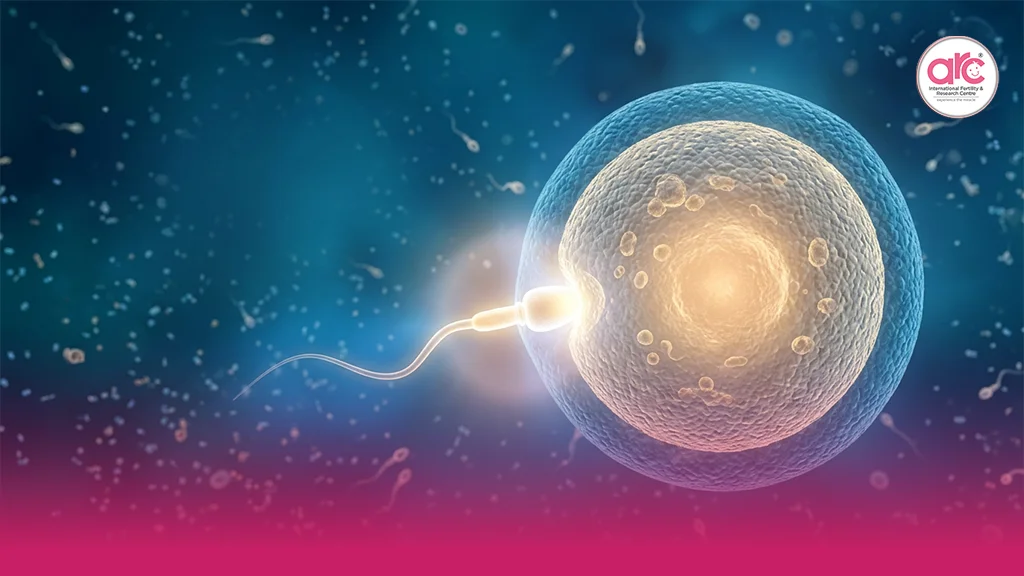
If you have been advised IVF, you may also hear your doctor mention ICSI. Many women feel anxious at this point because it sounds more technical than IVF itself. In simple terms, ICSI, or intracytoplasmic sperm injection, is a laboratory technique used during IVF where one carefully selected sperm is injected directly into one mature egg.
In conventional IVF, eggs and sperm are placed together in a laboratory dish, and fertilization happens when a sperm enters the egg on its own. With ICSI, the embryologist assists that step more directly. The goal is not to force pregnancy, but to improve the chance of fertilization when sperm-related or egg-related factors may make natural fertilization in the lab less likely.
This is why understanding What Is ICSI and When Is It Recommended? matters. ICSI is not a separate fertility treatment from IVF. It is a specialized fertilization method used within an IVF cycle when your fertility team believes it may offer a better chance of creating embryos.
How ICSI Works During an IVF Cycle
From the patient side, an IVF cycle with ICSI feels very similar to a regular IVF cycle. You still undergo ovarian stimulation, monitoring scans, blood tests when required, egg retrieval, fertilization in the lab, embryo culture, and then embryo transfer if suitable embryos develop.
The difference happens inside the embryology lab. After egg retrieval, the embryologist checks which eggs are mature. A sperm sample is also prepared so that healthy-looking, motile sperm can be selected. Then, using a very fine needle under a microscope, one sperm is injected into each mature egg. The eggs are observed the next day to see whether fertilization has occurred.
For many women, this explanation brings relief because ICSI does not usually mean a more painful procedure. It mainly changes how the egg and sperm meet in the laboratory. Your medications, scans, egg collection, and embryo transfer process are planned based on your age, ovarian reserve, hormone profile, medical history, and previous treatment response.
When Is ICSI Recommended?
ICSI is most commonly recommended when there is a male factor infertility concern. This may include low sperm count, poor sperm movement, abnormal sperm shape, or a combination of these. In such situations, even if eggs are healthy, sperm may struggle to reach or penetrate the egg without assistance.
Doctors may also recommend ICSI when sperm is retrieved surgically, such as in cases of obstructive azoospermia, where sperm may be present in the testes but absent in the semen. Since the number of retrieved sperm may be limited, ICSI helps use available sperm more precisely.
Another reason is a previous IVF cycle with poor or failed fertilization. If eggs were collected but few or none fertilized through conventional IVF, ICSI may be considered in the next cycle to reduce the risk of the same issue repeating.
ICSI may also be discussed when the number of eggs retrieved is low, because each mature egg becomes especially valuable. In women with advanced reproductive age or reduced ovarian reserve, doctors may want to avoid leaving fertilization entirely to chance in the dish. If age is part of your concern, it may help to understand how egg quality after age 35 can influence embryo development and IVF decisions.
Is ICSI Only for Male Infertility?
No. Although ICSI was originally developed to help severe male infertility, it is now used in several clinical situations. It may be considered when using frozen sperm, donor sperm in selected cases, previously frozen eggs, or when preimplantation genetic testing is planned. However, this does not mean every IVF cycle needs ICSI.
A thoughtful fertility specialist will not recommend ICSI simply because it sounds advanced. The decision should be based on the sperm report, egg number and maturity, previous treatment history, the reason for infertility, and the couple’s goals. More technology is not always better unless it solves a real treatment problem.
ICSI vs IVF: What Is the Real Difference?
The easiest way to understand the difference is this: IVF is the overall treatment, while ICSI is one method of fertilization within IVF. In conventional IVF, sperm fertilizes the egg by itself in the lab. In IVF with ICSI, the embryologist injects one sperm into one egg.
ICSI can improve the chance of fertilization in the right cases, especially when sperm quality is poor. But it does not automatically guarantee better pregnancy rates for everyone. Pregnancy still depends on embryo quality, uterine health, age, genetics, hormone balance, and the overall treatment plan.
This is important because many women blame themselves when IVF does not work. Fertility treatment is rarely about one factor alone. A cycle outcome is the result of egg quality, sperm quality, embryo development, implantation conditions, and sometimes factors that cannot be fully predicted even with careful planning.
Does ICSI Improve IVF Success?
ICSI may improve fertilization chances when fertilization is the main barrier. For example, if sperm cannot penetrate the egg naturally, ICSI can help overcome that specific problem. But if the main issue is poor egg quality, chromosomal abnormalities, thin endometrium, or implantation failure, ICSI alone may not solve everything.
This is why success discussions must be personal. A woman aged 31 with good ovarian reserve and severe male factor infertility may receive a very different explanation from a woman aged 39 with low egg reserve and a normal semen analysis. Both may be advised ICSI, but for different reasons and with different expectations.
At ARC Fertility Hospitals, couples are counselled with this kind of treatment logic. If you are searching for a Fertiliy hospital in Chennai, it is important to choose a centre where the recommendation is explained clearly rather than presented as a routine add-on.
What About Cost and Treatment Duration?
An IVF cycle with ICSI may cost more than conventional IVF because it involves additional laboratory skill, equipment, and embryology time. The exact cost varies based on medicines, investigations, ovarian stimulation needs, embryo freezing, genetic testing if advised, and whether donor or surgically retrieved sperm is involved.
The duration of treatment is usually similar to IVF. Most women spend around two to three weeks in ovarian stimulation and monitoring before egg retrieval, though preparation may begin earlier depending on health conditions, cycle timing, and test results. If embryos are frozen for a later transfer, the overall timeline may extend.
Instead of asking only, “How much does ICSI cost?”, it is better to ask, “Why is ICSI being advised in my case, and what problem is it expected to address?” That question helps you understand whether the added cost is medically meaningful.
Questions to Ask Before Agreeing to ICSI
Before starting treatment, ask your fertility doctor: Is ICSI recommended because of sperm quality, egg number, previous fertilization failure, age, or another reason? How many mature eggs are expected? Would conventional IVF be reasonable in my case? What are the possible limitations even with ICSI?
These questions do not challenge your doctor; they help you participate in your care. Fertility treatment feels less frightening when you understand the reasoning behind each step. A good clinic will welcome thoughtful questions and explain the plan without rushing you.
If you are looking for the Best Fertiliy hospital in Chennai, focus not only on technology but also on counselling quality, laboratory standards, transparent communication, and individualized decision-making.
Final Thoughts
ICSI is one of the most valuable advances in IVF, especially for couples facing male infertility or previous fertilization problems. But it should be recommended with a clear reason, not as a blanket solution for every patient.
For women seeking fertility information, the key takeaway is simple: ICSI helps the sperm enter the egg, but the journey to pregnancy also depends on egg health, embryo development, uterine readiness, and the overall fertility diagnosis. When your care team explains these details with honesty and empathy, you can make decisions with more confidence and less fear.
