Implantation Cramps: What They Feel Like, Location, Duration & When to Test
When you are trying to conceive, even a mild pull in the lower abdomen can make you pause. Is it implantation? Is your period about to start? Did ovulation happen later than expected? These questions are very common, especially for women who have been tracking cycles, undergoing fertility treatment, or waiting after an embryo transfer.
Implantation cramps are mild pelvic sensations that may happen when a fertilized egg attaches to the lining of the uterus. Not everyone feels them, and cramps alone cannot confirm pregnancy. Still, understanding the timing, location, and pattern can help you respond calmly instead of testing too early or worrying unnecessarily.
What are implantation cramps?
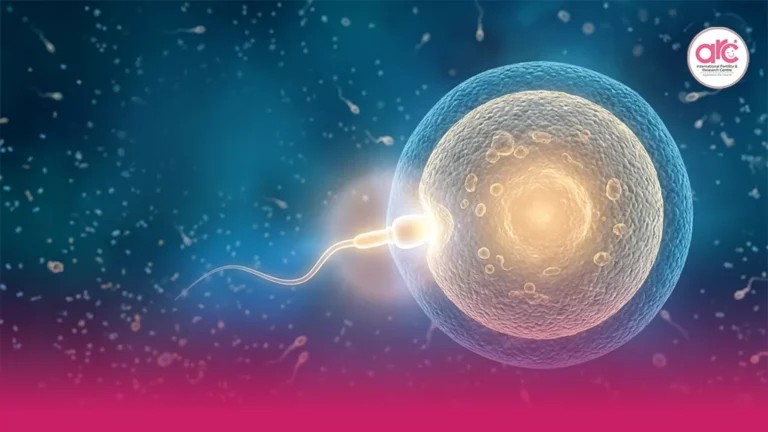
Implantation is the stage where an embryo settles into the endometrium, the soft inner lining of the uterus. This usually happens several days after ovulation and fertilization. During this process, some women notice light cramping, pulling, tingling, or heaviness in the lower abdomen.
Medically, these symptoms are not considered a reliable pregnancy sign on their own. Many early pregnancy symptoms overlap with premenstrual symptoms because both are influenced by progesterone. Breast tenderness, bloating, fatigue, mood changes, and mild cramps can appear before a period as well as in early pregnancy.
That is why fertility specialists focus on timing, test results, scan findings, and hormone patterns rather than cramps alone. At ARC Fertility Hospitals, the approach is to help women interpret symptoms without panic, especially during the emotionally sensitive two-week wait.
What do implantation cramps feel like?
Most women who notice implantation cramps describe them as mild and brief. They may feel like:
- A light pulling sensation in the lower abdomen
- Mild twinges on one side or across the pelvis
- A dull ache that comes and goes
- A gentle pricking, stretching, or fluttering feeling
- Very light period-like cramps without heavy bleeding
Implantation cramps should not feel severe, sharp, or disabling. If pain is intense, worsening, one-sided with dizziness, or associated with heavy bleeding, it needs medical attention. Severe pain should never be dismissed as implantation.
Where are implantation cramps usually felt?
Implantation-related sensations are usually felt in the lower abdomen or pelvic area, where the uterus is located. Some women feel them centrally, just above the pubic bone. Others describe discomfort more toward the left or right side, although implantation itself happens inside the uterus and is not usually something that can be precisely localized.
Backache can also occur around the same time, but it is not specific to implantation. Constipation, gas, ovarian cysts, hormonal changes, and an approaching period can all create similar discomfort. If you are undergoing fertility treatment and symptoms feel unusual after an IUI, IVF cycle, or embryo transfer, it is better to check with your fertility team rather than guess from symptoms.
When do implantation cramps happen?
Implantation typically occurs about 6 to 10 days after ovulation, although cycle variation is common. For women with irregular periods or uncertain ovulation, the timing may be harder to judge. In IVF, implantation timing depends on embryo age and transfer day. For example, symptoms after a blastocyst transfer may be interpreted differently from symptoms in a natural cycle, but even then, cramps cannot confirm success.
This is where many women become anxious. A cramp at 5 days past ovulation may be too early. A cramp at 12 days past ovulation may be premenstrual. A woman may also have no cramps at all and still be pregnant. The absence of symptoms is not a negative sign.
How long do implantation cramps last?
Implantation cramps, if they occur, are usually short-lived. They may last a few minutes, come and go for a day, or feel mildly noticeable over one to two days. Persistent cramps for several days can still be due to hormones, digestion, or premenstrual changes, but they are less specific for implantation.
Heavy bleeding, clots, fever, foul-smelling discharge, shoulder pain, fainting, or severe pelvic pain are not normal implantation symptoms. These should be evaluated promptly.
Implantation cramps vs period cramps
Period cramps usually become stronger as bleeding begins and are often caused by uterine contractions related to menstrual flow. Implantation cramps, when present, tend to be lighter and shorter. However, there is a large overlap, which is why relying only on sensation can be misleading.
Some women also notice light spotting around implantation. This may appear as faint pink or brown discharge, not heavy red flow. But spotting can happen for many reasons, including hormonal changes, cervical irritation, luteal phase variation, or medication used in fertility treatment.
When should you take a pregnancy test?
The most reliable time to test is after a missed period or around 12 to 14 days after ovulation. Testing too early can give a false negative because hCG may not yet be high enough to detect. If you are in an IVF cycle, follow the beta hCG date given by your fertility clinic. Testing early at home after trigger injections or embryo transfer can create confusion and emotional distress.
If your period is late and your home test is negative, repeat the test after 48 hours or speak to a doctor, especially if your cycles are irregular. Blood beta hCG testing is more sensitive and can help clarify uncertain results.
Do implantation cramps mean fertility treatment is working?
Not necessarily. Mild cramping after ovulation, IUI, or embryo transfer can occur because of progesterone support, ovarian stimulation, catheter-related uterine sensitivity, or normal pelvic changes. Some women feel cramps in successful cycles; others feel nothing. Symptoms are not a dependable measure of implantation.
If implantation has failed repeatedly, doctors may review embryo quality, uterine lining, age-related egg quality, thyroid function, prolactin, uterine shape, infections, clotting concerns, and selected immune factors when clinically appropriate. In complex cases, your doctor may discuss advanced evaluation, including immune factors that may affect implantation, but such treatment decisions should always be individualized and specialist-led.
Women searching for a Fertiliy hospital in Chennai often need more than a pregnancy test; they need careful explanation of timing, symptoms, investigations, and realistic next steps. Similarly, choosing the Best Fertiliy hospital in Chennai should involve looking for ethical counselling, transparent treatment planning, and medically sound fertility evaluation rather than promises.
When should you speak to a fertility specialist?
You should consider medical guidance if you have been trying to conceive for 12 months if under 35, or 6 months if 35 or older. Seek help earlier if you have irregular periods, known PCOS, endometriosis, fibroids, recurrent miscarriage, low ovarian reserve, previous ectopic pregnancy, or a male factor concern.
Cost concerns are understandable, and many couples delay consultation because they fear they will be pushed directly into IVF. In reality, good fertility care begins with diagnosis. Some couples may need timed intercourse guidance or ovulation induction. Some may benefit from IUI. Others may need IVF or ICSI depending on age, tubal status, semen parameters, and duration of infertility. The right treatment is the one matched to the reason conception is not happening.
Quick guide: implantation cramps, period cramps, and warning signs
| Symptom pattern | What it may suggest | What to do |
|---|---|---|
| Mild pulling or twinges 6–10 days after ovulation | Could be implantation, hormonal change, or normal luteal phase symptoms | Wait until the right testing window; avoid repeated early tests |
| Cramps that increase with menstrual bleeding | More suggestive of period cramps | Track cycle pattern; consult if pain is severe or worsening |
| Light pink or brown spotting with mild cramps | May occur in early pregnancy or due to other benign causes | Test after a missed period or as advised after fertility treatment |
| Severe one-sided pain, dizziness, fainting, or heavy bleeding | Not typical of implantation; needs urgent evaluation | Seek medical care promptly |
| No cramps at all during the two-week wait | Still compatible with pregnancy or a non-pregnant cycle | Do not judge the cycle by symptoms alone; test at the correct time |
Final thoughts
Implantation cramps can be real for some women, but they are usually mild, brief, and not diagnostic. The most emotionally safe approach is to observe symptoms without overinterpreting them, test at the right time, and seek expert help when cycles are irregular, attempts are taking longer than expected, or pain feels abnormal.
If you are in the two-week wait, be gentle with yourself. Your body may not give clear signals before a test. Whether you feel cramps or feel nothing at all, the next step should be guided by timing, medical context, and reliable testing—not fear.
Frequently Asked Questions
Get answers to common questions about IVF treatment at ARC Fertility
Can implantation cramps feel exactly like period cramps?
Yes, they can feel similar, which is why cramps alone cannot confirm pregnancy. Implantation cramps are usually milder and shorter, while period cramps often become stronger as bleeding starts. A pregnancy test at the correct time is more reliable than symptoms.
How many days after ovulation do implantation cramps usually happen?
They may occur around 6 to 10 days after ovulation, but timing varies. If ovulation happened later than expected, symptoms may also appear later. In IVF cycles, timing depends on the embryo transfer day, so it is best to follow your clinic’s testing schedule.
Can I take a pregnancy test when I feel implantation cramps?
It is better not to test immediately just because you feel cramps. Testing too early may show a false negative because hCG levels may still be low. Most women should test after a missed period or around 12 to 14 days after ovulation, unless their doctor advises a blood test earlier.
Is one-sided cramping a sign of implantation?
Mild one-sided twinges can happen during the luteal phase and are not always concerning. However, severe one-sided pain, dizziness, shoulder pain, fainting, or heavy bleeding should be assessed urgently because these symptoms are not typical of implantation.
Do implantation cramps always come with spotting?
No. Many women do not have spotting at all. Some may notice light pink or brown discharge, but spotting can also occur due to hormonal changes, cervical irritation, medications, or an approaching period. It should not be used as the only sign of pregnancy.
Why do I have cramps after embryo transfer?
Cramps after embryo transfer can be related to progesterone support, uterine sensitivity, ovarian stimulation, or normal pelvic changes. They do not prove that implantation has happened, and absence of cramps does not mean the cycle has failed. Follow your fertility specialist’s beta hCG date.
When should I consult a fertility specialist instead of waiting?
Consult a specialist if you have been trying for 12 months and are under 35, or for 6 months if you are 35 or older. Seek help earlier if you have irregular periods, endometriosis, PCOS, recurrent miscarriage, previous ectopic pregnancy, or known male factor infertility.