What Does Asthenozoospermia Mean?
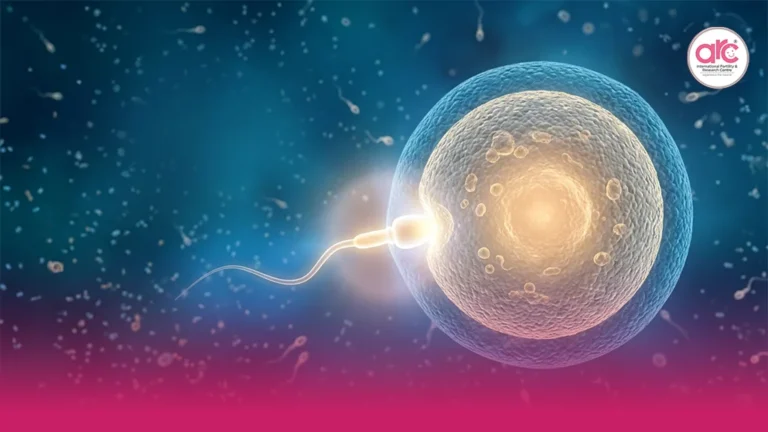
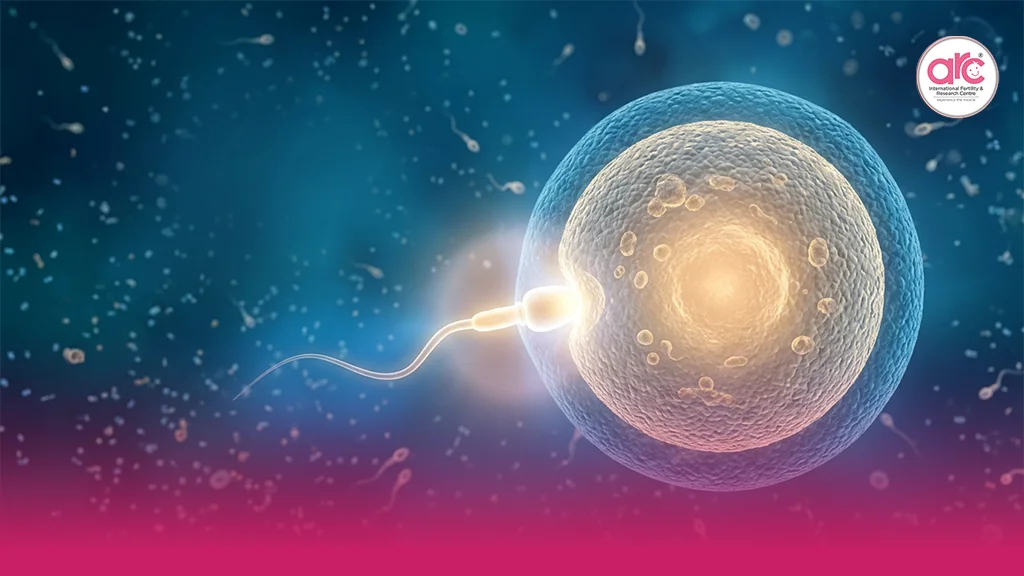
If you have opened a semen analysis report and seen the word “asthenozoospermia,” it can feel frightening, especially when you are already trying to understand why pregnancy has not happened yet. In simple terms, asthenozoospermia means that a lower-than-expected percentage of sperm are moving well. Sperm motility matters because sperm must travel through the female reproductive tract to reach and fertilise the egg.
But this diagnosis does not mean pregnancy is impossible. It also does not mean your partner is “infertile forever.” Asthenozoospermia is one piece of the fertility picture. Doctors look at the severity of motility reduction, sperm count, sperm shape, semen volume, your age, ovulation, fallopian tube health, how long you have been trying, and whether there have been previous pregnancies. The real question is not only “Is motility low?” but “Is there enough healthy, moving sperm to achieve pregnancy naturally or with treatment support?”
Understanding Sperm Motility in Everyday Language
Sperm motility refers to movement. Fertility specialists usually pay close attention to progressive motility, which means sperm are moving forward in a purposeful direction. Some sperm may move in circles or vibrate without moving ahead; these are less useful for natural conception. A semen report may mention total motility and progressive motility, and both need interpretation in context.
For a woman reading the report, it may be tempting to focus on one number and panic. But semen parameters are not fixed like a blood group. They can vary between samples due to fever, stress, sleep, illness, alcohol use, smoking, long gaps or very short gaps between ejaculation, heat exposure, certain medicines, and even lab-to-lab differences. This is why doctors often repeat the test after a few weeks before deciding on treatment. If you want to understand this better, ARC Fertility Hospitals has also explained why sperm parameters can fluctuate and why one report should not be treated as the entire story.
Can Pregnancy Still Happen with Asthenozoospermia?
Yes, pregnancy can still happen with asthenozoospermia, depending on the overall fertility situation. Mild asthenozoospermia may still allow natural conception, especially if sperm count is good, ovulation is regular, the fallopian tubes are open, and the woman is younger with a good ovarian reserve. In moderate or severe cases, the chance of natural pregnancy may reduce because fewer sperm can reach the egg effectively.
It is also important to understand timing. If a couple has been trying for only a few months and all other factors look reassuring, the doctor may advise lifestyle correction, repeat testing, and timed intercourse. If a woman is over 35, has irregular cycles, low ovarian reserve, endometriosis, blocked tubes, or the couple has been trying for more than a year, waiting too long may not be ideal. Fertility planning is not about blame; it is about using time wisely.
Why Does Asthenozoospermia Happen?
Low sperm motility can happen for many reasons. Some are temporary and reversible, while others need medical treatment. Common causes include infections in the reproductive tract, varicocele, hormonal imbalance, smoking, alcohol, obesity, diabetes, excessive heat exposure, oxidative stress, long-standing illness, certain medications, and genetic or testicular factors. Sometimes, no single obvious cause is found.
Varicocele, for example, is a swelling of veins around the testicle that may affect sperm production and movement in some men. Infections may create inflammation that reduces motility. High oxidative stress can damage the sperm membrane and reduce the sperm’s ability to move forward. A fertility doctor may therefore recommend examination, hormone tests, ultrasound, infection screening, or advanced sperm tests depending on the report and clinical history.
How Doctors Read the Semen Report
A semen analysis is not judged by motility alone. Doctors look at sperm concentration, total sperm count, progressive motility, morphology, vitality, pH, volume, liquefaction, and the presence of pus cells or infection signs. A sample with slightly low motility but a very high sperm count may still provide enough moving sperm. A sample with low count and low motility together may need quicker treatment planning.
Many couples also worry about sperm shape when they see abnormal morphology mentioned in the report. Morphology can matter, but it is often misunderstood when looked at in isolation. In many cases, motility, count, the total number of progressively moving sperm, and the couple’s complete fertility profile carry more practical importance than one morphology percentage. You may find it helpful to read why sperm morphology does not always tell the whole story before assuming the worst from a single line in the report.
What Can Be Done to Improve Sperm Motility?
The right approach depends on the cause. If lifestyle factors are contributing, doctors may advise stopping smoking, reducing alcohol, improving sleep, managing weight, avoiding heat exposure to the testes, treating uncontrolled diabetes, and improving diet quality. Antioxidants may be prescribed in selected cases, but they should not be treated as a guaranteed solution. Sperm development takes around three months, so improvements, when they happen, are usually assessed after a reasonable interval rather than within a few days.
If infection is suspected, treatment may include antibiotics or anti-inflammatory care after proper evaluation. If varicocele is significant and linked to abnormal semen parameters, surgical correction may be considered in selected men. If hormones are abnormal, endocrine treatment may help. The key is to avoid self-medicating based on internet advice, because male fertility has several possible causes and not every supplement or tablet suits every patient.
When Is IUI Considered?
IUI, or intrauterine insemination, may be considered when motility is mildly to moderately reduced and the total motile sperm count after semen preparation is acceptable. In IUI, the semen sample is processed in the lab to select better-moving sperm, and these are placed directly into the uterus around ovulation. This reduces the distance sperm need to travel, but sperm still need to move, reach the egg, and fertilise it naturally inside the body.
IUI is usually more useful when the woman’s fallopian tubes are open, ovulation is happening or can be induced, and the duration of infertility is not too long. It may be less suitable in severe male factor infertility, advanced female age, very low ovarian reserve, or blocked tubes. The emotional appeal of IUI is understandable because it feels less intensive than IVF, but the decision should be based on realistic chances, not only comfort with the treatment name.
When Are IVF or ICSI Considered?
IVF may be advised when asthenozoospermia is more significant, when IUI has failed, or when female factors also reduce the chance of natural conception. In IVF, eggs are collected and fertilised with sperm in a laboratory. In many male factor cases, doctors may recommend ICSI, where a single selected sperm is injected directly into an egg. ICSI can be especially helpful when sperm motility is very low because it bypasses many of the movement-related barriers involved in natural fertilisation.
Still, IVF or ICSI should be discussed carefully. No treatment can promise pregnancy, and outcomes depend on egg quality, sperm quality, embryo development, uterine factors, age, and medical history. At ARC Fertility Hospitals, the goal is to match the treatment to the couple’s diagnosis rather than pushing every patient into the same pathway.
What About Cost, Time, and Emotional Stress?
For many women, the medical word is only one part of the worry. The bigger questions are often: “How long will this take?” “Will we need IVF?” “Can we afford treatment?” “Is time running out for me?” These are valid concerns. A repeat semen test may take a few weeks. Lifestyle or medical correction may take around three months to show an effect. IUI cycles are shorter and less complex than IVF, while IVF and ICSI involve ovarian stimulation, scans, egg collection, fertilisation, embryo transfer, and waiting for the pregnancy test.
Costs vary depending on tests, medicines, procedures, city, and whether IUI, IVF, or ICSI is required. A good consultation should give you a clear reason for every investigation and treatment step. You should feel able to ask: “Why this treatment for us?” “What are our alternatives?” “How many cycles should we try before reviewing the plan?” These questions do not make you difficult; they make you informed.
When Should You See a Fertility Specialist?
If the semen report shows asthenozoospermia, it is sensible to consult a fertility specialist rather than trying to decode every number alone. Seek help sooner if you are over 35, have irregular periods, known PCOS, endometriosis, previous pelvic infection, miscarriage history, or if you have been trying for 12 months under 35 or 6 months over 35. Male evaluation and female evaluation should happen together because fertility is a couple-based assessment.
Asthenozoospermia can feel like a heavy word, but it is not the end of the road. Many couples still have options, from natural planning and medical correction to IUI, IVF, or ICSI when needed. The most helpful next step is not panic; it is a calm, complete evaluation with a team that explains what the report means for your specific situation. With the right diagnosis and timely care, you can move from confusion to a clearer fertility plan.