What Is PICSI in IVF?
When a couple is advised IVF, most of the attention naturally goes to the woman: injections, egg pickup, embryo transfer, and the anxious wait after transfer. But fertilisation is a shared biological process. The quality of the sperm selected for injection into the egg can also influence how embryos develop. This is where PICSI may be discussed.
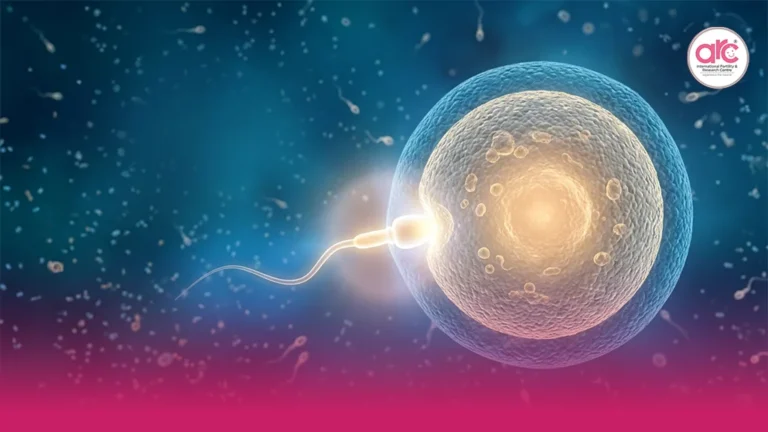
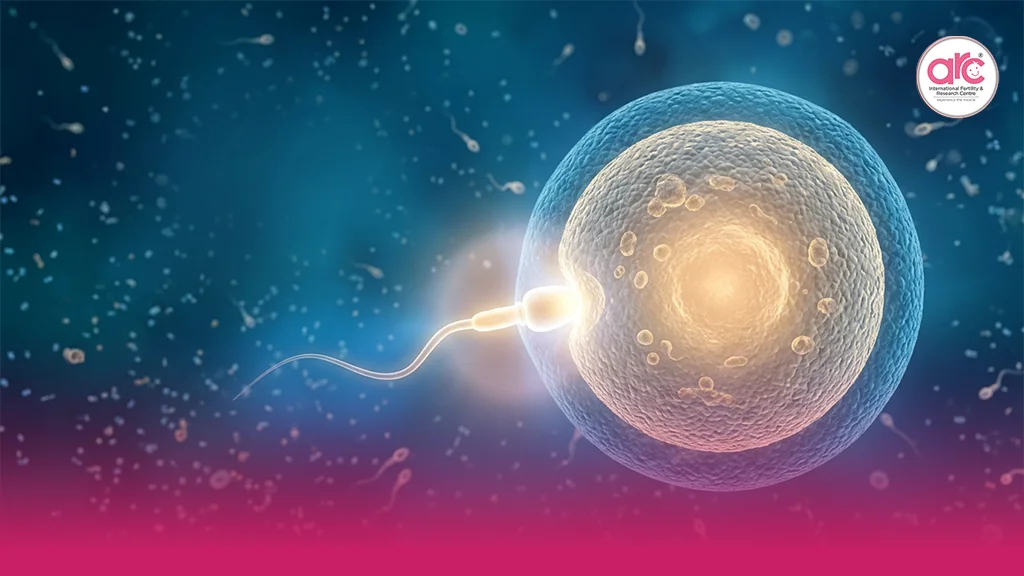
PICSI stands for Physiological Intracytoplasmic Sperm Injection. It is an advanced sperm selection technique used along with ICSI during IVF. In simple terms, PICSI helps embryologists choose sperm that are more likely to be mature by using their ability to bind to hyaluronic acid, a substance naturally present around the egg. Mature sperm have receptors that allow them to attach to this substance. The embryologist then selects a bound sperm and injects it into the egg, similar to the ICSI process.
PICSI does not replace IVF, and it does not guarantee pregnancy. It is an additional laboratory method that may be useful in selected cases, especially when sperm quality is a concern or previous IVF cycles have shown poor fertilisation or embryo development.
How ICSI Works in IVF
To understand PICSI clearly, it helps to first understand ICSI. ICSI, or Intracytoplasmic Sperm Injection, is a commonly used IVF technique where a single sperm is injected directly into a mature egg. It is often advised when sperm count, motility, or morphology is low, or when fertilisation has failed in a previous conventional IVF cycle.
During ICSI, the embryologist examines sperm under a microscope and chooses one based mainly on its movement and appearance. This has helped many couples with male factor infertility achieve fertilisation when natural sperm-egg interaction may not happen effectively. However, visual selection has limits. A sperm may look normal under the microscope but still have functional problems, such as poor maturity or increased DNA damage.
This is why fertility specialists sometimes consider additional selection methods like PICSI, particularly when the medical history suggests that standard visual selection may not be enough.
How PICSI Is Different From ICSI
The key difference is not in how the sperm enters the egg, but in how the sperm is selected before injection. In ICSI, the embryologist selects sperm mainly by looking at motility and shape. In PICSI, sperm are placed in a special dish containing hyaluronan, a form of hyaluronic acid. Sperm that bind to it are considered more mature and may have better functional potential. One of these bound sperm is then used for injection into the egg.
So, PICSI can be understood as a more refined selection step before ICSI. The injection technique remains ICSI, but the decision about which sperm to inject is supported by a biological binding process, not just appearance.
For patients, this distinction matters because many couples hear about PICSI and assume it is a completely separate fertility treatment. It is not. It is an add-on laboratory technique used within an IVF-ICSI cycle when the fertility team believes sperm selection may need extra attention.
When Might a Doctor Suggest PICSI?
PICSI is not required for every IVF cycle. At ARC Fertility Hospitals, treatment planning is usually based on a careful assessment of both partners, because overusing advanced techniques without a clear reason may only increase cost without improving clarity.
A fertility specialist may discuss PICSI in situations such as severe male factor infertility, poor sperm morphology, repeated IVF or ICSI failure, poor embryo quality in earlier cycles, unexplained fertilisation problems, or suspected sperm DNA fragmentation. It may also be considered when there has been recurrent pregnancy loss and sperm-related factors are being evaluated as part of the broader picture.
Sometimes, an old injury, surgery, infection, or long-standing testicular concern may become relevant during fertility evaluation. If a male partner has such a history, reading about past testicular injuries and fertility can help couples understand why doctors ask detailed questions that may seem unrelated at first.
Does PICSI Improve IVF Success Rates?
This is one of the most important questions couples ask. The honest answer is: PICSI may help in selected cases, but it is not a universal success booster. IVF outcome depends on many factors, including the woman’s age, egg quality, ovarian reserve, sperm health, embryo development, uterine condition, genetics, lifestyle factors, and the reason for infertility.
PICSI may improve sperm selection by helping choose mature sperm, and in some patients this may support fertilisation, embryo quality, or reduce certain sperm-related concerns. But it cannot correct poor egg quality, chromosomal abnormalities, severe uterine factors, or every cause of embryo arrest. It should be viewed as one part of a larger treatment plan, not as a guarantee.
A medically responsible fertility team will explain why PICSI is being suggested, what problem it is meant to address, and whether the evidence fits your particular case. This matters because couples undergoing IVF are already under emotional and financial pressure. Every add-on should have a clear purpose.
What Happens During a PICSI-IVF Cycle?
From the woman’s side, a PICSI cycle feels very similar to an ICSI-IVF cycle. You undergo ovarian stimulation with hormone injections, monitoring scans, blood tests when required, trigger injection, egg retrieval, fertilisation in the lab, embryo culture, and then embryo transfer if suitable embryos develop.
The PICSI step happens in the laboratory after the semen sample is prepared. The embryologist places sperm onto the PICSI dish. Sperm that bind to hyaluronan are selected, and then one sperm is injected into each mature egg using the ICSI method. You may not feel any difference physically because the additional step is laboratory-based.
After embryo transfer, many women become very cautious about daily activities. It is natural to worry about every movement, but most routine activities do not dislodge an embryo. If you are anxious about rest, lifting, or movement after transfer, this guide on everyday activities after embryo transfer explains the concern in a practical way.
PICSI vs ICSI: Which One Is Better?
The better option depends on the reason for infertility. ICSI is already highly useful when sperm cannot fertilise the egg on its own. PICSI adds another layer of selection when sperm maturity or function is a concern. For a couple with normal sperm parameters and no history of poor fertilisation, PICSI may not add much. For a couple with repeated poor embryo development or male factor issues, it may be worth discussing.
Think of it this way: ICSI solves the problem of sperm reaching and entering the egg. PICSI tries to help select a sperm that may be more biologically mature before that injection. These are related but different goals.
The decision should not be made only because the word sounds advanced. Advanced does not always mean necessary. The right fertility plan is the one that matches your diagnosis, previous cycle history, age, test results, and emotional readiness.
Cost and Emotional Considerations
PICSI usually adds to the cost of an IVF-ICSI cycle because it involves a specialised dish and additional laboratory handling. The exact cost can vary by centre and case. Before agreeing to PICSI, couples should ask: Why is this being recommended for us? What sperm-related concern are we trying to address? Did our previous cycle show a reason to use it? Are there other tests, such as semen analysis or DNA fragmentation assessment, that should be reviewed first?
For many women, the hardest part is not the medical terminology but the uncertainty. You may wonder if choosing or not choosing an add-on could change everything. This is why counselling and transparent discussion are important. A good fertility consultation should help you feel informed, not pressured.
How ARC Fertility Hospitals Approaches PICSI
At ARC Fertility Hospitals, IVF planning focuses on diagnosis-led decision-making. PICSI may be considered when the couple’s history, semen parameters, previous fertilisation pattern, or embryo development suggests that sperm selection needs more attention. The goal is not to use every available technology, but to use the right technology for the right patient at the right time.
If you are comparing PICSI and ICSI, bring your previous reports, semen analysis, embryo grading details, stimulation records, and any history of miscarriage or failed cycles to your consultation. These details help the fertility specialist understand whether PICSI is likely to add value in your case.
Key Takeaway
PICSI in IVF is an advanced sperm selection method used before ICSI. It helps embryologists choose sperm that can bind to hyaluronic acid, which may indicate better maturity. ICSI selects sperm mainly by appearance and movement, while PICSI adds a functional selection step.
PICSI can be helpful for some couples, especially where male factor infertility, poor embryo development, or previous failed cycles are concerns. But it is not needed for everyone, and it cannot guarantee pregnancy. The best decision comes from a complete fertility evaluation, clear medical reasoning, and an honest discussion with your fertility team.