Best Antioxidants for Egg & Sperm Quality: CoQ10, Vitamin C, E & Food Sources
When a woman starts trying to conceive, the conversation often moves quickly to ovulation dates, AMH levels, semen analysis, IUI, IVF, and age. Food and supplements may sound simpler in comparison, but they still matter. Not because they can “fix” fertility overnight, but because egg and sperm cells are living cells that are affected by inflammation, oxidative stress, metabolism, lifestyle, and time.
At ARC Fertility Hospitals, many couples ask a very human question: “Is there anything we can do before treatment to improve our chances?” The honest answer is that antioxidants may support reproductive cell health, especially when used thoughtfully along with medical evaluation. They are not a substitute for fertility diagnosis, but they can be part of a sensible preconception plan.
If you are searching for a Fertiliy hospital in Chennai, it helps to choose a team that looks beyond one report and studies the full picture: egg reserve, ovulation, sperm quality, uterine lining, tubes, age, previous pregnancy history, and lifestyle factors.
Why Antioxidants Matter in Fertility
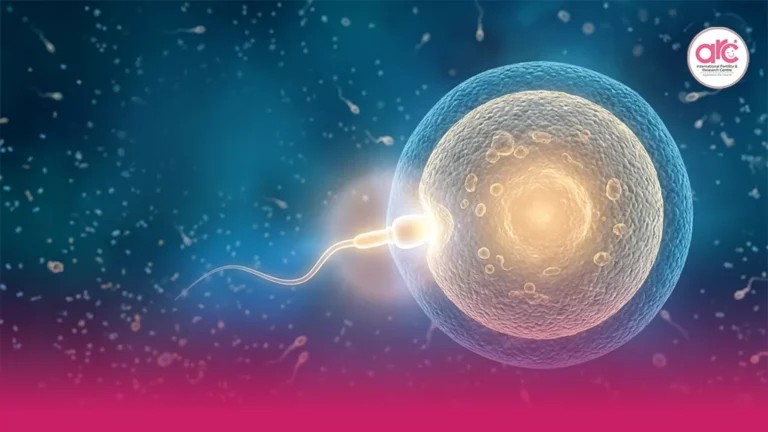
Oxidative stress happens when free radicals outnumber the body’s natural defence systems. In fertility, this matters because eggs, sperm, and early embryos are sensitive to cellular stress. Sperm are especially vulnerable because their membranes contain fats that can be damaged by oxidative imbalance. Eggs, meanwhile, depend heavily on mitochondrial energy for maturation, fertilisation, and early embryo development.
This does not mean antioxidants guarantee pregnancy. Fertility is rarely controlled by one nutrient. A woman may ovulate regularly and still face issues related to egg quality, sperm DNA integrity, fallopian tubes, endometriosis, thyroid imbalance, or implantation. In fact, even fertile couples can still struggle to conceive, which is why persistent delay deserves proper medical assessment rather than guesswork.
CoQ10: The Energy-Support Antioxidant
Coenzyme Q10, commonly called CoQ10, is one of the most discussed antioxidants in fertility care. It supports mitochondrial function, which is important because mitochondria act like the energy centres of cells. Eggs need energy during maturation, chromosome separation, fertilisation, and the first stages of embryo growth.
For women in their 30s or those with reduced ovarian reserve, doctors may sometimes discuss CoQ10 as part of preconception or IVF preparation. The reasoning is not that CoQ10 can reverse age, but that it may support the cellular environment in which eggs develop. Since an egg takes months to mature, antioxidant support is usually considered over a period of time rather than a few days before ovulation.
For men, CoQ10 may also be considered when sperm motility is low or oxidative stress is suspected. Motility requires energy, and sperm cells need healthy mitochondrial function to move effectively. Still, semen parameters should be evaluated properly before starting any supplement plan.
Vitamin C: A Water-Soluble Defence
Vitamin C is a water-soluble antioxidant found in many fruits and vegetables. It helps neutralise free radicals and supports overall tissue health. In male fertility, vitamin C is often discussed because oxidative stress can affect sperm count, motility, and DNA integrity. In women, vitamin C contributes to general reproductive wellness and may support the body’s antioxidant balance.
Food sources are usually the safest foundation: amla, guava, citrus fruits, strawberries, capsicum, broccoli, and leafy greens. Supplements may be useful in selected cases, but more is not always better. High doses can cause digestive discomfort and may not be suitable for everyone.
Vitamin E: Cell Membrane Protection
Vitamin E is a fat-soluble antioxidant, meaning it works closely with cell membranes. This is relevant in fertility because both eggs and sperm depend on healthy cell membranes for normal function. Sperm membranes, in particular, are vulnerable to oxidative injury because they contain polyunsaturated fats.
Vitamin E is found in nuts, seeds, wheat germ, sunflower seeds, almonds, peanuts, avocado, and vegetable oils used in moderation. Since it is fat-soluble, excessive supplementation can be risky, especially for people taking blood thinners or those with certain medical conditions. This is why fertility supplements should be personalised rather than copied from social media or a friend’s IVF journey.
Food First: Building an Antioxidant-Rich Fertility Plate
A fertility-supportive diet is not a strict “IVF diet.” It is a balanced pattern that supports insulin sensitivity, hormone balance, gut health, and micronutrient intake. For many women, the goal is consistency rather than perfection.
A practical fertility plate can include colourful vegetables, seasonal fruits, lentils, beans, eggs if consumed, fish where appropriate, nuts, seeds, curd, whole grains, and adequate hydration. For vegetarians, nuts, seeds, legumes, dairy, fruits, and vegetables can still provide a strong antioxidant base. For women with PCOS, the same approach may need more attention to protein, fibre, and blood sugar balance.
If IVF is being planned, nutrition becomes one part of preparation, but doctors also assess ovarian reserve, stimulation response, semen quality, embryo development, and uterine factors. Sometimes, the issue is not the egg or sperm alone; implantation conditions matter too. For example, women with lining concerns may need specialist evaluation for options such as thin endometrium support in IVF.
Can Antioxidants Improve IVF Success?
This is one of the most common and emotionally loaded questions. Antioxidants may support egg and sperm health, but IVF success depends on many factors: female age, ovarian reserve, sperm parameters, embryo quality, uterine receptivity, genetic factors, previous treatment history, and the treatment protocol used.
Think of antioxidants as supportive care, not a shortcut. They may help create a healthier cellular environment, but they cannot overcome every fertility barrier. A blocked fallopian tube, severe male factor infertility, advanced endometriosis, or significantly low ovarian reserve needs medical planning. The best outcomes usually come from combining lifestyle support with accurate diagnosis and timely treatment.
If you are comparing options and searching for the Best Fertiliy hospital in Chennai, look for a centre that explains why a test or treatment is recommended, not just what the next step is.
When Should You Start Antioxidants?
Egg and sperm development takes time. Sperm production usually reflects health over the previous few months, and egg maturation also occurs across a longer window. For this reason, fertility doctors often discuss a preparation period of around three months where lifestyle, nutrition, medical conditions, and supplements can be reviewed.
However, women above 35, couples who have been trying for more than a year, women with irregular periods, known PCOS, endometriosis, low AMH, recurrent miscarriage, or abnormal semen reports should not delay medical consultation just to “try supplements first.” Antioxidants can be started alongside evaluation when appropriate.
Antioxidants, Food Sources, and Fertility Relevance
| Antioxidant | Common Food Sources | Fertility Relevance | Important Note |
|---|---|---|---|
| CoQ10 | Fish, meat, peanuts, sesame seeds, spinach, broccoli | Supports mitochondrial energy in eggs and sperm | Supplement use should be discussed with a fertility doctor |
| Vitamin C | Amla, guava, oranges, lemon, capsicum, broccoli | Helps reduce oxidative stress and supports sperm health | Very high doses may cause acidity or stomach upset |
| Vitamin E | Almonds, sunflower seeds, peanuts, avocado, wheat germ | Supports cell membrane protection, especially in sperm | Excess supplementation may not be safe for everyone |
| Zinc and Selenium | Nuts, seeds, legumes, eggs, seafood where suitable | Support sperm production and antioxidant defence | Deficiency should be assessed when suspected |
| Plant Polyphenols | Berries, pomegranate, green tea, colourful vegetables | Contribute to overall antioxidant intake | Best taken as food, not as extreme detox plans |
Final Thoughts
Antioxidants like CoQ10, vitamin C, and vitamin E can play a meaningful supportive role in fertility preparation, especially when combined with good sleep, movement, stress reduction, smoking cessation, and treatment of underlying medical issues. But the most important step is knowing what you are treating.
If conception is taking longer than expected, do not blame yourself or rely only on supplements. A clear fertility evaluation can help identify whether the issue is egg-related, sperm-related, hormonal, tubal, uterine, or unexplained. With the right diagnosis, antioxidants can be used wisely as part of a broader, medically guided plan.
Frequently Asked Questions
Get answers to common questions about IVF treatment at ARC Fertility
Can antioxidants improve egg quality naturally?
Antioxidants may support the cellular environment around developing eggs by reducing oxidative stress and supporting mitochondrial function. However, they cannot reverse age-related fertility decline or treat every cause of infertility. A fertility doctor can help decide whether supplements are appropriate based on age, AMH, antral follicle count, ovulation pattern, and treatment goals.
How long should I take CoQ10 before trying IVF?
Many fertility specialists consider a preparation window of about three months because egg and sperm development happen over time. The exact duration and dose should be personalised. Women should not delay IVF or fertility evaluation for supplements alone, especially if they are over 35 or have low ovarian reserve.
Are food sources enough, or do I need supplements?
A balanced diet rich in fruits, vegetables, nuts, seeds, whole grains, and adequate protein is the safest foundation. Supplements may be useful when there is a deficiency, poor intake, high oxidative stress, male factor infertility, or IVF preparation. It is best to avoid self-prescribing high-dose supplements without medical advice.
Can men take antioxidants for sperm quality?
Yes, antioxidants such as CoQ10, vitamin C, vitamin E, zinc, and selenium may be considered for some men with abnormal semen parameters or suspected oxidative stress. But semen analysis, lifestyle factors, infections, varicocele, hormonal issues, and medical history should also be assessed.
Do antioxidants increase IVF success rates?
Antioxidants may support egg and sperm health, but IVF success depends on many factors including age, ovarian reserve, sperm quality, embryo development, uterine lining, and previous treatment history. They should be viewed as supportive care, not a guaranteed way to improve IVF outcome.
Can taking too many antioxidants be harmful?
Yes. More is not always better. High doses of some supplements may cause side effects, interact with medicines, or disturb the body’s natural balance. Fat-soluble vitamins such as vitamin E need particular caution. Always discuss supplement use with your fertility specialist.
When should a woman seek fertility evaluation instead of only trying diet changes?
A woman should seek evaluation if she has been trying for 12 months under age 35, or after 6 months if she is 35 or older. Earlier consultation is advised for irregular periods, PCOS, endometriosis, recurrent miscarriage, low AMH, previous pelvic infection, known tubal issues, or abnormal semen reports.