When you are trying to conceive, the days after ovulation, IUI, or embryo transfer can feel unusually delicate. Many women start wondering if walking too much, climbing stairs, bending, yoga, or even laughing hard could disturb implantation. The honest medical answer is reassuring: normal, gentle movement does not usually prevent implantation. At the same time, this is not the moment to push your body into intense new workouts.
The Best exercises to do when trying to implant are the ones that support blood circulation, reduce stress, and keep your body comfortable without overheating, exhaustion, or abdominal strain. Think gentle, consistent, and familiar rather than intense, competitive, or experimental.
First, what happens during implantation?
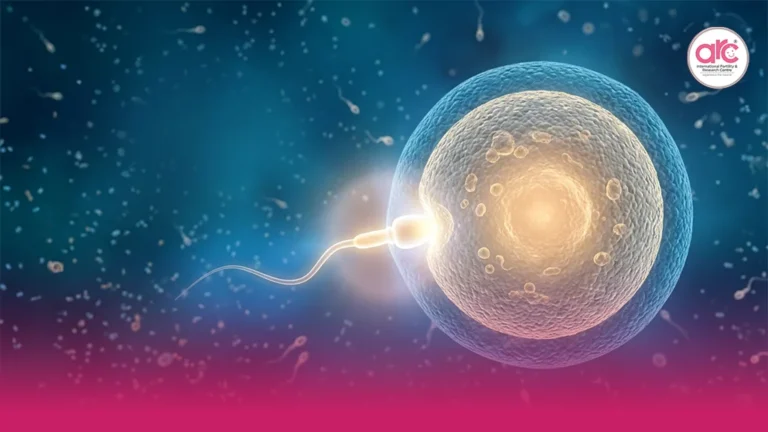
Implantation usually happens about 6 to 10 days after ovulation. In IVF, it may happen within a few days after embryo transfer depending on the embryo stage. During this time, the embryo attaches to the uterine lining and begins a very early connection with the body. This process is influenced by embryo quality, uterine lining receptivity, hormones, age, underlying fertility conditions, and overall reproductive health.
Exercise is not a magic switch for implantation. It cannot guarantee pregnancy. But the right level of movement can support your general wellbeing, reduce anxiety, and help you avoid the two extremes many women fall into: complete bed rest out of fear, or intense exercise out of routine.
Is exercise safe during the implantation window?
For most women, light to moderate movement is safe while trying to conceive. In fact, many fertility specialists discourage unnecessary bed rest unless there is a specific medical reason. Staying completely still can make you more anxious, more body-aware, and sometimes physically uncomfortable.
However, your situation matters. If you have ovarian hyperstimulation risk after IVF, severe pelvic pain, bleeding, a history of recurrent miscarriage, high-risk medical conditions, or specific instructions from your fertility doctor, your exercise plan should be individualised. If you are unsure, speak with your doctor instead of copying a general routine online.
Best gentle exercises when trying to implant
1. Slow walking
Walking is one of the safest and most practical exercises during the implantation window. A relaxed 15 to 30-minute walk can improve circulation, support digestion, reduce bloating, and calm the nervous system. The goal is not step-count achievement. You should be able to talk comfortably while walking. If you feel breathless, dizzy, crampy, or exhausted, slow down or stop.
2. Gentle fertility-friendly yoga
Gentle yoga can help release tension in the lower back, hips, shoulders, and abdomen. Choose restorative poses, supported stretches, breathing-based movement, and relaxation. Avoid deep twists, strong core work, hot yoga, power yoga, inversions, and poses that create pressure in the abdomen. If you have recently had an embryo transfer, keep the practice very mild and follow your clinic’s advice.
3. Breathing exercises
Breathing may not look like exercise, but it can be deeply helpful during the two-week wait. Slow breathing tells the body that it is safe. Try inhaling for four counts and exhaling for six counts for five minutes. This does not change implantation directly, but it can reduce stress spirals, improve sleep quality, and help you feel more emotionally steady.
4. Light stretching
Simple stretching of the neck, shoulders, calves, hamstrings, and upper back can help if you are working long hours or sitting too much. Keep stretches gentle. Avoid aggressive forward folds, strong abdominal compression, or anything that feels like pulling in the pelvis. Stretching should leave you relaxed, not sore.
5. Pelvic relaxation movements
Some women hold a lot of tension in the pelvic floor during fertility treatment, especially after scans, injections, timed intercourse, IUI, or IVF procedures. Gentle pelvic tilts, supported child’s pose, or lying with knees bent and breathing into the lower ribs can help soften the body. This is different from intense pelvic workouts. During implantation, relaxation is more useful than force.
6. Light household activity
Normal daily movement such as cooking, folding clothes, slow stair climbing, and moving around the house is usually fine. Many women worry that routine activity will “shake the embryo out,” but implantation is a biological process inside the uterus, not something that is easily disturbed by ordinary movement. Still, avoid lifting heavy buckets, shifting furniture, or prolonged standing if it causes strain.
Exercises and activities to avoid during implantation
The implantation window is a good time to avoid high-impact or high-strain activities, especially if you are in fertility treatment. This includes running long distances, heavy weightlifting, high-intensity interval training, jumping workouts, intense cycling, contact sports, hot yoga, sauna-based fitness, and any workout that raises your body temperature excessively.
After IVF, this caution becomes even more important because the ovaries may still be enlarged from stimulation. Twisting, jumping, or intense abdominal activity can increase discomfort and, rarely, risk complications. If you are preparing for IVF and want to understand how stimulation affects the body, ARC’s guide to ovarian stimulation in IVF explains why the ovaries need careful monitoring during this phase.
What if you are trying naturally, after IUI, or after IVF?
If you are trying naturally, gentle exercise after ovulation is usually acceptable unless your doctor has advised otherwise. If you have had IUI, most women can return to normal light activity the same day or the next day. If you have had IVF embryo transfer, clinics often recommend rest on the day of transfer followed by calm, normal activity. The exact advice may vary depending on your ovarian response, embryo transfer difficulty, symptoms, and medical history.
This is where personalised fertility care matters. If you are deciding when to move from trying naturally to evaluation, this guide on how long to try before fertility treatment can help you understand timelines without panic.
Can exercise improve implantation success?
Exercise supports fertility best when it is part of a larger picture: healthy weight, balanced hormones, good sleep, stable blood sugar, reduced inflammation, and emotional wellbeing. But implantation success depends on many factors beyond exercise. Egg quality, sperm quality, embryo genetics, uterine lining thickness, thyroid balance, prolactin levels, PCOS, endometriosis, fibroids, infections, age, and previous pregnancy history can all influence the outcome.
That is why women should not blame themselves if implantation does not happen. Not walking enough, walking too much, or doing one yoga pose is rarely the true reason. If pregnancy is repeatedly not occurring, the next step is evaluation, not guilt.
How much exercise is too much?
A helpful rule is this: if your workout leaves you refreshed, it is probably appropriate; if it leaves you drained, overheated, crampy, or anxious, it is too much for this phase. Avoid starting a new intense fitness routine during the two-week wait. If you already exercise regularly, reduce intensity and listen to your body.
Women with low body weight, irregular periods, hypothalamic amenorrhea, or very intense athletic routines may need to reduce training more significantly. On the other hand, women with PCOS or insulin resistance may benefit from regular moderate movement, but even then, implantation days are better suited to calm consistency than physical extremes.
When should you contact a fertility doctor?
Speak to a fertility specialist if you have been trying for 12 months under age 35, or 6 months if you are 35 or older. You should seek help earlier if you have irregular cycles, known PCOS, endometriosis, fibroids, recurrent pregnancy loss, low AMH, male factor concerns, or previous failed IUI or IVF cycles. Exercise can support your health, but it should not delay diagnosis when medical help is needed.
At ARC Fertility Hospitals, women often come in after months of trying to “do everything right” at home. A fertility evaluation helps separate lifestyle concerns from medical factors, so treatment choices like ovulation induction, IUI, IVF, or fertility preservation can be considered clearly. If you are looking for the Best Fertility Hospital in Chennai, the right support should include both medical expertise and emotional reassurance. For women comparing options, choosing a Fertility Hospital in Chennai should also mean finding a team that explains the why behind every test and treatment.
A simple implantation-friendly movement plan
During the implantation window, you can follow a gentle routine: 20 minutes of slow walking, 5 minutes of breathing, and 5 to 10 minutes of light stretching. Keep hydration steady, avoid overheating, eat balanced meals, and prioritise sleep. If you are after embryo transfer, follow your clinic’s specific instructions first.
Most importantly, do not turn exercise into another fertility test you must pass. Your body does not need perfection to conceive. It needs support, timely medical guidance when required, and a kinder relationship with uncertainty. Gentle movement can be one part of that support.