Can Lifting Heavy Weights Prevent Implantation?
If you are trying to conceive, it is natural to start noticing every movement, every symptom, and every choice during the two-week wait. One common worry is: Can lifting heavy weights prevent implantation? The short answer is that occasional lifting or moderate strength training is unlikely to stop implantation in a healthy cycle. But the full answer depends on intensity, your fertility history, IVF treatment stage, medical conditions, and how your body responds to exertion.
Implantation is a delicate biological process, but it is not so fragile that one normal daily activity usually disrupts it. Many women lift groceries, carry children, climb stairs, travel, and continue routine work before they even know they are pregnant. At the same time, fertility specialists may advise limiting very heavy lifting or high-impact workouts in specific situations, especially during IVF stimulation, after embryo transfer, or if there is a history of bleeding, pain, ovarian enlargement, or recurrent pregnancy loss.
What Actually Happens During Implantation?
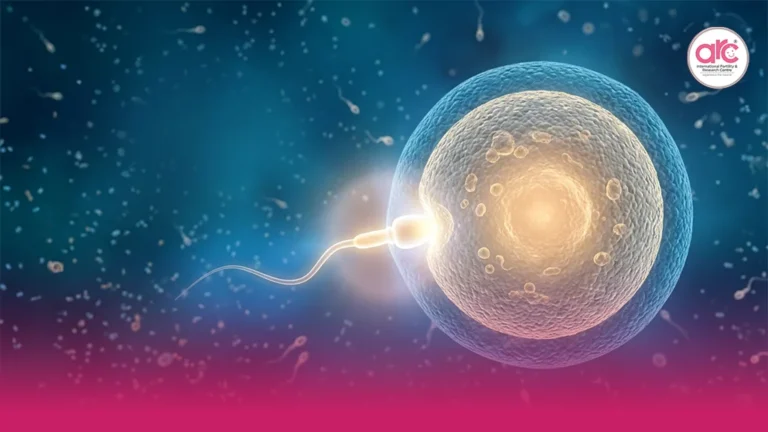
Implantation usually happens about 6 to 10 days after ovulation. A fertilized embryo reaches the uterus and begins attaching to the uterine lining. This process is influenced by embryo quality, uterine lining receptivity, hormones such as progesterone, blood flow, immune signaling, and overall reproductive health.
Heavy lifting does not directly “shake loose” an embryo in the way many women fear. The uterus is not an open space where an embryo can simply fall out due to movement. The embryo is microscopic, and implantation is more like a cellular-level attachment process than something affected by ordinary body motion.
However, extremely intense physical exertion may affect the body indirectly in some women. Overtraining, sudden high-intensity workouts, dehydration, poor recovery, or significant calorie restriction can increase physical stress. In women with irregular cycles, low body weight, luteal phase issues, or hormonal imbalance, intense exercise may contribute to ovulation or progesterone problems over time. That is different from saying one lifting session prevents implantation.
When Heavy Lifting May Need Caution
There are times when your doctor may advise you to reduce or avoid heavy weights. These recommendations are not meant to create fear; they are meant to reduce unnecessary strain when the body is already undergoing treatment or showing warning signs.
1. During IVF ovarian stimulation
During IVF, fertility medicines stimulate the ovaries to produce multiple follicles. As the ovaries enlarge, heavy lifting, twisting, jumping, or intense core workouts can increase discomfort and, rarely, the risk of ovarian torsion. This is one reason doctors often recommend gentle walking instead of strenuous exercise during stimulation.
2. After embryo transfer
After an embryo transfer, most clinics do not recommend complete bed rest. In fact, normal light movement is usually fine. But many specialists suggest avoiding heavy lifting, high-intensity gym workouts, and sudden abdominal strain for a few days because it reduces cramps, anxiety, and physical stress. It is a precaution, not proof that lifting always stops implantation. If you are also wondering about everyday movement during treatment, this guide on riding a bike or scooter during IVF treatment explains how doctors think about routine activity and safety.
3. If you have pain, bleeding, or a high-risk history
If you experience pelvic pain, spotting, dizziness, severe cramps, or have a history of miscarriage, ectopic pregnancy, fibroids, endometriosis, or recurrent implantation failure, your activity plan should be personalized. What is safe for one woman may not be ideal for another.
How Much Weight Is “Too Heavy”?
There is no single weight limit that applies to every woman. A 5 kg lift may feel heavy to one person and very light to another. Fertility specialists usually look at effort, not just the number on the dumbbell. A useful way to think about it is this: if you can breathe comfortably, maintain good form, and do not feel pressure in the abdomen or pelvis, the activity is likely moderate. If you are holding your breath, straining, bracing hard, or pushing to your maximum capacity, it may be too intense during the implantation window or IVF treatment.
For women who already strength train regularly, continuing lighter versions of familiar exercises is often more reasonable than suddenly stopping all movement. For women who are new to lifting, the two-week wait is not the best time to start heavy squats, deadlifts, or high-intensity training. Fertility care is not about becoming inactive; it is about avoiding sudden extremes.
Trying Naturally vs IVF: Does the Advice Change?
Yes, the advice can change. If you are trying naturally and have no fertility complications, moderate exercise and sensible strength training are generally acceptable. The body is built to function through normal activity. But if you are undergoing IVF, the ovaries, hormones, and timing are medically managed, so doctors tend to be more cautious.
After embryo transfer, patients often want a clear yes or no answer. A more realistic answer is: avoid heavy lifting that causes strain, but do not panic over daily movement. Light household tasks, walking, gentle stretching, and normal self-care are usually acceptable unless your doctor has advised otherwise.
Does Exercise Affect Fertility Success?
Exercise can support fertility when it improves insulin sensitivity, circulation, mood, sleep, and weight balance. This is especially relevant for women with PCOS or sedentary lifestyles. But excessive exercise can work against fertility if it leads to fatigue, missed periods, low estrogen, low body fat, or inadequate nutrition.
The goal is balance. A woman trying to conceive does not need to treat her body like glass. But she also does not need to prove strength by pushing through exhaustion. During the implantation window, choose movement that leaves you feeling calmer, not depleted.
Hydration also matters because dehydration can worsen fatigue, cramps, constipation, and general discomfort during fertility treatment. If you are trying to build a fertility-friendly daily routine, ARC’s article on how much water to drink when trying to conceive may help you think about simple habits that support your body without overcomplicating the process.
Practical Exercise Guidelines During the Implantation Window
Here are sensible, patient-friendly guidelines many fertility teams would consider reasonable:
Choose: walking, gentle yoga, stretching, light resistance bands, breathing exercises, and low-impact movement.
Be cautious with: heavy squats, deadlifts, leg presses, intense abdominal workouts, HIIT, jumping, sprinting, or lifting to failure.
Avoid: any exercise that causes pelvic pain, bleeding, dizziness, breathlessness, or strong abdominal pressure.
After IVF transfer: follow your clinic’s specific advice, because recommendations may differ based on ovarian response, embryo transfer type, medications, and personal risk factors.
What If You Already Lifted Something Heavy?
Many women feel anxious after lifting a suitcase, carrying groceries, or picking up a child during the two-week wait. If this happened once and you feel fine, it is unlikely to be the reason implantation fails. Try not to blame yourself. Implantation depends on many factors that are not fully under personal control.
Contact your fertility doctor if you have severe pain, heavy bleeding, faintness, fever, or worsening abdominal swelling. Otherwise, return to gentler activity and focus on sleep, meals, hydration, medications if prescribed, and emotional steadiness.
When Should You Ask a Fertility Specialist?
If you have been trying to conceive for 12 months under age 35, or 6 months if you are 35 or older, it is worth seeking a fertility evaluation. You should also consult earlier if you have irregular periods, PCOS, endometriosis, blocked tubes, low AMH, recurrent miscarriages, or known male-factor infertility.
A good fertility evaluation does not simply tell you to “relax.” It checks ovulation, ovarian reserve, semen parameters, uterine health, tubal factors, thyroid and hormonal issues where needed, and then recommends IUI, IVF, lifestyle changes, or other treatment based on the cause. Women looking for clear, compassionate fertility guidance often search for the Best Fertility Hospital in Chennai because they want both medical clarity and emotional reassurance during a confusing time.
At ARC Fertility Hospitals, the focus is on individualized fertility care. Some patients need only timed intercourse support or ovulation correction. Some may benefit from IUI. Others may need IVF or advanced embryo-related care. If you are comparing options and looking for a Fertility Hospital in Chennai, the most important thing is to choose a team that explains the reason behind every recommendation rather than giving one-size-fits-all advice.
Final Takeaway
Heavy lifting does not usually prevent implantation by itself. The bigger concern is excessive strain, overtraining, dehydration, or activity that is not appropriate for your treatment stage. If you are trying naturally, moderate familiar exercise is usually fine. If you are in IVF or have risk factors, follow your fertility doctor’s instructions and choose gentler activity during the implantation window.
Most importantly, do not turn the two-week wait into a period of self-blame. Your body is not fragile, and implantation is not controlled by one small action. Support your body with sensible movement, rest, hydration, and medical guidance when needed.