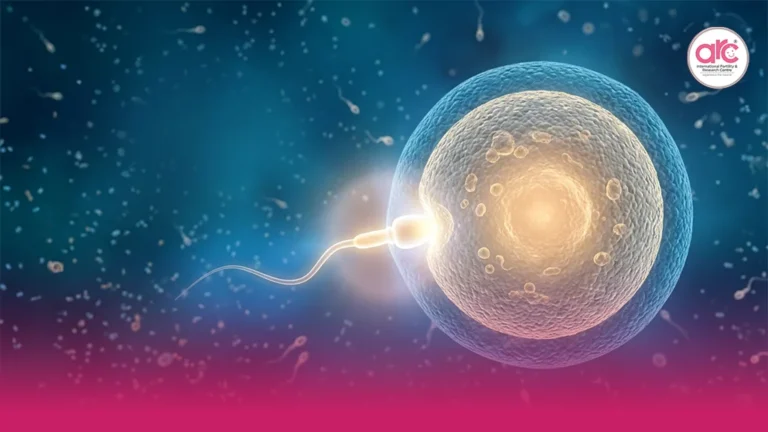
Best time of day to try to conceive for optimal sperm count
When you are trying for pregnancy, it is natural to wonder whether timing intercourse in the morning, afternoon, or night can improve your chances. Many women quietly track ovulation, cervical mucus, cycle dates, and sometimes even their partner’s routine, hoping to find the most fertile moment. The honest answer is reassuring: the best time of day to try to conceive for optimal sperm count may be slightly in the morning for some men, but the day of the cycle matters far more than the hour on the clock.
Sperm count can vary through the day, and some studies suggest semen quality may be marginally better after sleep, especially when the body is rested and stress hormones are lower. But conception does not depend on one perfect morning. It depends on healthy sperm being present in the reproductive tract when ovulation happens. So instead of pressuring yourself to perform at a fixed time, it is more useful to understand your fertile window and choose a time when both partners are relaxed, available, and consistent.
Does sperm count change during the day?
Yes, semen parameters can fluctuate. Sperm count, motility, volume, and concentration are influenced by sleep, hydration, fever, alcohol, smoking, illness, stress, medications, heat exposure, and the gap since the last ejaculation. Morning samples may show slightly better concentration in some men because the body has had a period of rest. However, this difference is usually not large enough to outweigh poor ovulation timing.
For example, intercourse at 6 a.m. five days before ovulation may be less helpful than intercourse at 9 p.m. one day before ovulation. Sperm can survive inside the female reproductive tract for up to several days when cervical mucus is fertile, but the egg survives for a much shorter time after ovulation. That is why fertility specialists focus more on the fertile window than on a specific hour.
Morning or night: which is better when trying to conceive?
If both options are comfortable, morning intercourse may offer a small practical advantage for some couples. Men may be more rested, testosterone levels are often higher earlier in the day, and there may be less fatigue compared with late-night attempts after work. But this is not a rule. If mornings are rushed, stressful, or emotionally forced, night may be better for you.
Fertility timing should not become a stressful task. Stress itself does not usually “block” pregnancy in a simple way, but anxiety can reduce sexual frequency, affect sleep, create pressure between partners, and make the trying-to-conceive journey emotionally heavier. A calm evening with good timing around ovulation can be more useful than a tense morning done only because the internet said so.
The fertile window matters more than the clock
The most fertile days are usually the two days before ovulation and the day of ovulation. If your cycles are regular, ovulation often happens around 14 days before your next period, not necessarily day 14 of every cycle. For women with irregular cycles, ovulation prediction can be more difficult, and that is where medical guidance becomes valuable.
Useful signs of the fertile window include slippery, stretchy cervical mucus, a positive ovulation predictor kit, mild ovulation pain in some women, and cycle tracking over several months. Some women also track temperature changes after ovulation, though this confirms ovulation after it has occurred rather than predicting it in advance. If you are curious about cycle tracking, this guide on basal body temperature after ovulation can help you understand what temperature patterns can and cannot tell you.
How often should couples have intercourse?
For most couples, intercourse every one to two days during the fertile window is a practical approach. Daily intercourse is acceptable if it feels natural and the male partner has no known sperm count issue. If sperm count is low, some doctors may suggest spacing ejaculation every 24 to 48 hours, depending on semen analysis results. Very long abstinence is not always better, because it may increase sperm count but reduce motility or increase older sperm in the sample.
A common mistake is saving intercourse for only the exact ovulation day. Since ovulation can be missed or predicted late, it is better to have sperm already waiting before the egg is released. Think of it less as hitting one perfect target and more as covering the fertile window gently and consistently.
When sperm count is a concern
If pregnancy has not happened after 12 months of regular unprotected intercourse, or after 6 months if the woman is 35 or older, both partners should be evaluated. Male fertility testing is often simpler than people expect. A semen analysis can assess sperm count, motility, morphology, semen volume, and other details that help the doctor decide whether natural conception, ovulation tracking, IUI, or IVF may be more appropriate.
Women often carry most of the emotional burden of infertility, but fertility is shared. A normal menstrual cycle does not rule out a sperm factor, just as a normal semen report does not rule out ovulation, tubal, egg reserve, or uterine factors. At ARC Fertility Hospitals, the evaluation is usually approached as a couple-based process so the treatment plan is based on evidence rather than guesswork. Couples looking for structured fertility support often search for the Best Fertility Hospital in Chennai when they want clarity, testing, and realistic next steps in one place.
What if periods are irregular?
If your periods are irregular, the best time of day becomes even less important because the main challenge is identifying ovulation. Conditions such as PCOS, thyroid imbalance, high prolactin, low ovarian reserve, weight changes, stress, and certain medications can affect ovulation. In such cases, timed intercourse based only on calendar dates may lead to months of missed fertile windows.
A fertility doctor may recommend ultrasound follicle monitoring, hormone tests, AMH testing, thyroid and prolactin evaluation, and sometimes ovulation induction medicines. If you are wondering whether irregular cycles still mean healthy ovulation, this article on irregular periods and healthy eggs explains why cycle pattern and egg release need to be understood carefully.
IUI vs IVF: where does timing fit in?
Many couples worry that a timing problem automatically means IVF. That is not always true. If tubes are open, ovulation can be tracked, and sperm parameters are reasonably suitable, doctors may consider timed intercourse or IUI first. IUI places processed sperm closer to the uterus around ovulation, which can help in mild male factor infertility, unexplained infertility, or ovulation-related timing concerns.
IVF may be advised when there are blocked tubes, severe male factor infertility, advanced maternal age, low ovarian reserve, repeated failed IUI cycles, endometriosis-related concerns, or when time is a major factor. The decision is not based on fear; it is based on diagnosis, age, ovarian reserve, semen quality, duration of infertility, and previous treatment history.
Age and timing: why waiting can change the plan
For women, age affects egg quantity and quality. A woman in her late 20s with regular ovulation may have time to try naturally with good fertile-window timing. A woman above 35 may still conceive naturally, but doctors usually recommend earlier evaluation if pregnancy is delayed. This is not to create panic. It is because the treatment window becomes more precious, and identifying correctable issues early can save time.
If you have been trying for a while, the goal is not to blame your timing. Many couples have well-timed intercourse and still need help because of sperm, egg, tubal, uterine, hormonal, or unexplained factors. A consultation at a trusted Fertility Hospital in Chennai can help you understand whether you simply need better ovulation tracking or whether testing should begin.
Practical tips for couples trying naturally
Try intercourse every one to two days during the fertile window rather than waiting for one “perfect” time. If mornings feel easy, use them; if evenings are calmer, choose evenings. Avoid heat exposure for the male partner, including hot baths, saunas, and placing laptops directly on the lap for long periods. Prioritise sleep, reduce smoking and alcohol, manage diabetes or thyroid issues if present, and seek medical review for medications that may affect fertility.
For women, do not rely only on apps if cycles vary. Ovulation predictor kits, cervical mucus awareness, and doctor-guided follicle monitoring can provide better clarity. If intercourse becomes emotionally stressful, step back from rigid scheduling and discuss a realistic plan as a couple. Fertility care should support intimacy, not turn it into an exam.
So, what is the best time of day?
If you want a simple answer, morning may be slightly favourable for sperm count in some men, but it is not a magic rule. The best time is when intercourse happens within the fertile window, ideally in the one to two days before ovulation, and when both partners are comfortable enough to be consistent.
If you have been trying without success, do not keep changing only the hour of intercourse month after month. Get the basics checked: ovulation, semen analysis, ovarian reserve, tubes, uterus, and relevant hormones. The right timing helps, but the right diagnosis helps even more.