Can Constipation Affect Fertility or Implantation?
When you are trying to conceive, even a small body change can feel important. Bloating, cramps, delayed bowel movements, pelvic heaviness, or pressure in the lower abdomen may make you wonder: can constipation affect fertility or implantation? The reassuring answer is that constipation by itself usually does not prevent ovulation, fertilization, or embryo implantation. An embryo does not get pushed out because of straining, and a full bowel does not block implantation inside the uterus.
But that does not mean constipation should be ignored. In fertility care, symptoms are often meaningful when seen in context. Constipation may be related to hormones, stress, diet, reduced movement, medications, thyroid imbalance, endometriosis, PCOS, or early pregnancy changes. For women trying naturally, preparing for IUI, or going through IVF, understanding the difference between normal constipation and a symptom that needs medical attention can reduce a lot of unnecessary anxiety.
Does Constipation Directly Affect Fertility?
Constipation alone is not considered a direct cause of infertility. Fertility depends mainly on ovulation, egg quality, sperm health, fallopian tube function, uterine health, hormone balance, and timing of intercourse or treatment. The bowel and reproductive organs sit close to each other in the pelvis, which is why bowel symptoms can feel like uterine or ovarian discomfort. However, constipation does not usually interfere with egg release, fertilization, or sperm reaching the egg.
Where constipation becomes relevant is when it is part of a bigger pattern. For example, a woman with irregular periods, weight changes, acne, and constipation may need evaluation for hormonal imbalance or thyroid issues. A woman with painful periods, painful bowel movements during menstruation, and difficulty conceiving may need assessment for endometriosis. In these cases, constipation is not the only problem, but it can be one clue in the overall fertility picture.
Can Constipation Affect Implantation?
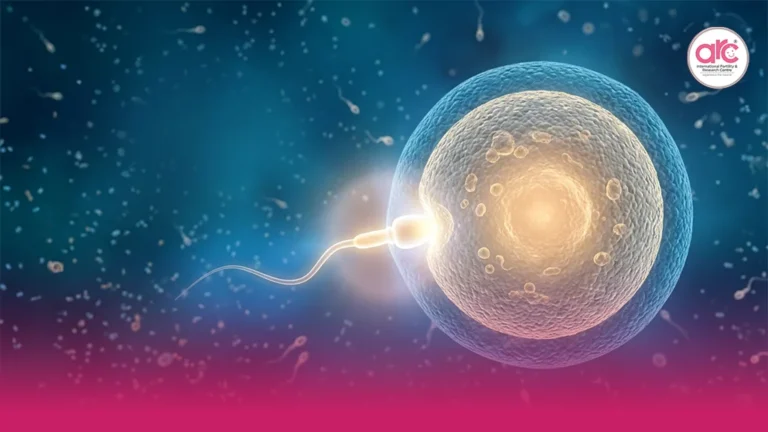
Implantation is a microscopic biological process. It happens when a healthy embryo attaches to the receptive lining of the uterus, usually around 6 to 10 days after ovulation in a natural cycle. Constipation does not physically stop this process. Straining during a bowel movement does not detach an implanting embryo. Coughing, sneezing, walking, climbing stairs, or passing stool cannot dislodge an embryo from the uterus.
This is especially important during the two-week wait, when many women become hyper-aware of every sensation. Pelvic pressure from gas or constipation can feel similar to mild uterine cramping. That can make you worry that something is wrong. In most cases, these sensations are related to digestion, progesterone, or normal post-ovulation changes rather than failed implantation.
Why Constipation Is Common While Trying to Conceive
Constipation is very common in the second half of the menstrual cycle because progesterone rises after ovulation. Progesterone relaxes smooth muscles, including the muscles of the digestive tract. This can slow bowel movement and lead to bloating, gas, and harder stools. The same hormone also increases in early pregnancy, which is why constipation can appear before or around the time of a missed period.
Fertility supplements may also contribute. Some prenatal vitamins contain iron, which can harden stools in certain women. Changes in diet, reduced activity due to cycle tracking stress, dehydration, travel, poor sleep, and emotional tension can all make constipation worse. When couples are trying to conceive, they often focus heavily on ovulation timing but may overlook simple digestive habits that affect comfort and wellbeing.
It is also natural to wonder whether everyday products used during intimacy could affect conception. If you are reviewing all possible fertility factors, you may find it helpful to read about whether benzocaine in condoms can affect fertility and how lubricants may affect conception. These questions are separate from constipation, but they often come up during the same trying-to-conceive phase.
Constipation During IVF or Fertility Treatment
Constipation can be more noticeable during IVF. Hormonal injections, progesterone support, reduced movement after egg retrieval, mild ovarian enlargement, anesthesia used during retrieval, and emotional stress can all slow digestion. After embryo transfer, many women hesitate to strain because they fear harming the embryo. This fear is understandable, but gentle bowel movements do not reduce the chance of implantation.
What matters is managing constipation safely. Severe straining can cause discomfort, hemorrhoids, and pelvic pressure, especially after egg retrieval. If you are on IVF medications, always ask your fertility team before taking laxatives, herbal cleanses, castor oil, or strong stimulant products. Many stool softeners or osmotic laxatives may be considered when needed, but the safest option depends on your cycle stage, medical history, and treatment plan.
When Constipation May Signal an Underlying Fertility Issue
Occasional constipation is usually not concerning. But constipation that appears with other symptoms may need evaluation. One important condition to consider is endometriosis. Some women with endometriosis experience painful bowel movements, constipation, diarrhea, rectal pain, or bloating that worsens around periods. Because endometriosis can affect fertility in some women, these symptoms should not be dismissed as only digestive trouble.
Thyroid imbalance is another factor. An underactive thyroid can cause constipation, fatigue, weight gain, heavy periods, irregular cycles, and difficulty conceiving. Thyroid testing is often part of fertility evaluation because even mild abnormalities can influence ovulation and pregnancy support.
PCOS can also be associated with digestive discomfort, though constipation is not its main symptom. Women with PCOS may have irregular ovulation, insulin resistance, weight fluctuations, acne, or excess facial hair. If constipation exists alongside irregular cycles, it is better to assess the hormonal picture rather than treating the bowel symptom alone.
How to Ease Constipation Safely While Trying to Conceive
Start with gentle, consistent habits. Drink enough water throughout the day, especially if you are taking fiber or iron supplements. Increase fiber gradually through fruits, vegetables, lentils, beans, oats, seeds, and whole grains. A sudden jump in fiber without fluids can worsen bloating. Light walking can also help bowel movement and reduce pelvic heaviness.
Try not to ignore the urge to pass stool. Sitting for long periods, rushing in the morning, or delaying bowel movements can make constipation worse. Warm fluids, regular meal timing, and relaxed bathroom time may help. If you are taking an iron-containing prenatal vitamin and constipation becomes difficult, ask your doctor whether a different formulation is suitable.
During the two-week wait or IVF cycle, avoid self-medicating with strong laxatives, detox teas, or herbal remedies marketed as natural. Natural does not always mean safe for implantation or early pregnancy. If constipation lasts more than a few days, becomes painful, or causes significant bloating, speak to your fertility doctor before taking medication.
When Should You See a Doctor?
You should seek medical advice if constipation is severe, recurrent, or associated with blood in stool, vomiting, fever, unexplained weight loss, severe abdominal pain, or inability to pass gas. If you are undergoing IVF and develop rapid bloating, breathlessness, severe pelvic pain, nausea, or sudden weight gain after egg retrieval, contact your clinic promptly because ovarian hyperstimulation syndrome must be ruled out.
From a fertility perspective, consult a specialist if you have been trying to conceive for more than 12 months under age 35, or more than 6 months if you are 35 or older. You should also seek earlier evaluation if you have irregular periods, known endometriosis, previous pelvic infection, recurrent miscarriages, thyroid disease, PCOS, or significant period pain.
The Bottom Line
So, can constipation affect fertility or implantation? In most women, constipation does not directly prevent pregnancy or stop an embryo from implanting. It is usually a comfort issue linked to hormones, diet, stress, supplements, or fertility medications. However, persistent constipation with menstrual pain, irregular cycles, thyroid symptoms, or pelvic discomfort may point to an underlying condition that deserves proper fertility evaluation.
At ARC Fertility Hospitals, the goal is not to make patients worry about every symptom. It is to help women understand their bodies with clarity. If constipation is making your fertility journey more stressful, discuss it openly with your doctor. Sometimes, a simple adjustment is enough. Other times, that conversation may reveal a treatable condition that improves both comfort and reproductive health.