The two-week wait can make even ordinary moments feel loaded with meaning. A warm shower after a long day, a dip in a hot tub, or a relaxing bath may suddenly raise a frightening question: Can a hot tub or hot shower prevent a fertilized egg from implanting?
The short, reassuring answer is: a normal hot shower is very unlikely to prevent implantation. A brief warm bath is also unlikely to stop a fertilized egg from attaching to the uterine lining. The bigger concern is not water touching the body, but a significant rise in core body temperature for a prolonged period, especially from very hot tubs, saunas, or steam rooms.
At ARC Fertility Hospitals, we often see women blame themselves for small daily choices during this emotionally sensitive time. Implantation is a complex biological process influenced by embryo quality, endometrial receptivity, hormones, timing, uterine health, and sometimes factors we cannot fully control. One shower is not usually the reason implantation succeeds or fails.
What Happens During Implantation?
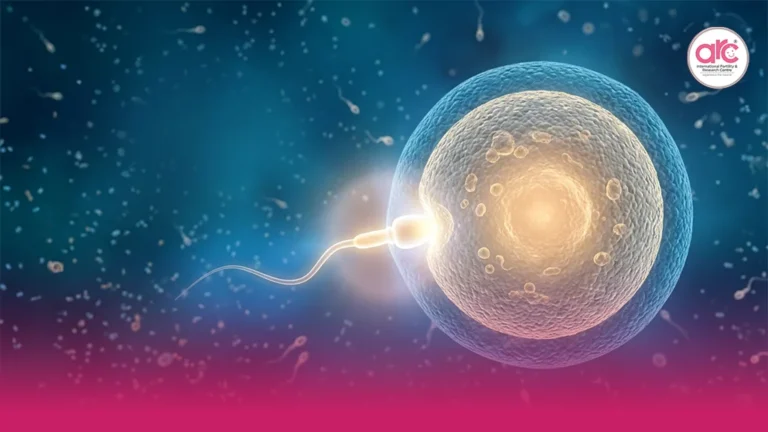
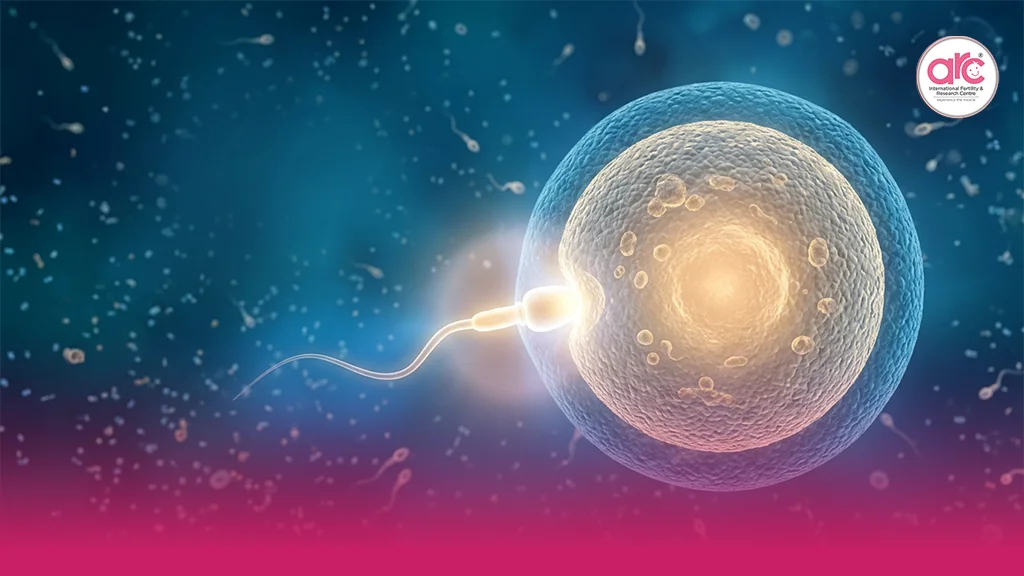
After ovulation, if sperm fertilizes the egg, the resulting embryo travels through the fallopian tube toward the uterus. Implantation usually happens around 6 to 10 days after ovulation, though timing can vary. For implantation to occur, the embryo must reach the right developmental stage, and the uterine lining must be hormonally prepared to receive it.
This is why doctors pay attention to ovulation, progesterone levels, endometrial thickness, uterine abnormalities, and embryo development in fertility care. Sometimes women track ovulation carefully but still feel unsure whether ovulation truly happened. If that sounds familiar, understanding why a positive ovulation test may not always mean egg release can help make sense of confusing cycles.
Implantation is not a fragile event that gets disrupted by every routine activity. Walking, bathing, showering, mild exercise, emotional stress, or changing sleeping positions do not usually “knock” an embryo away. The uterus is not an open space where an embryo can simply fall out. It is a muscular organ with a hormonally active lining, and implantation depends on cellular communication between the embryo and endometrium.
Can a Hot Shower Stop a Fertilized Egg From Implanting?
For most women, a hot shower does not raise core body temperature enough, or for long enough, to interfere with implantation. Your skin may feel warm, and the bathroom may feel steamy, but your body is usually able to regulate its internal temperature well during a regular shower.
If you took a hot shower before knowing you might be pregnant, try not to panic. There is no good evidence that a single shower prevents implantation. It is also not helpful to replay the moment repeatedly, wondering if the water was too hot or if you stayed under it too long. Fertility already carries enough emotional pressure without turning normal self-care into a source of guilt.
A practical approach is to keep showers warm and comfortable rather than extremely hot. If you feel dizzy, overheated, flushed, or need to step out to cool down, the temperature is probably higher than ideal. During the two-week wait and early pregnancy, comfort and moderation are better than extremes.
What About Hot Tubs, Jacuzzis, Saunas, and Steam Rooms?
The American College of Obstetricians and Gynecologists advises pregnant women to avoid activities that significantly increase core body temperature, including prolonged use of hot tubs and saunas during early pregnancy.
Hot tubs are different from showers because they can keep the whole body immersed in high-temperature water for longer. Many hot tubs are set around 39°C to 40°C or higher. Prolonged exposure can raise core body temperature, particularly if you stay in too long or the water is very hot.
The main medical caution around overheating is stronger in early pregnancy, especially because elevated maternal core temperature has been associated with pregnancy risks during early fetal development. While implantation itself has not been proven to fail because of one short hot tub exposure, fertility specialists generally advise avoiding prolonged overheating when trying to conceive, during the two-week wait, and after embryo transfer.
If you are actively trying for pregnancy, a safer choice is to skip hot tubs, saunas, and steam rooms during the fertile window and two-week wait. If you do use one, keep it brief, avoid very high temperatures, get out if you feel hot or light-headed, and cool down afterward. After IVF or embryo transfer, follow your fertility doctor’s instructions, as clinics often recommend avoiding hot tubs completely during the waiting period.
Why Temperature Matters in Fertility
Body temperature matters because reproductive cells and early pregnancy processes are sensitive to internal conditions. In men, repeated heat exposure can affect sperm production. In women, the concern is less about a single hot shower and more about sustained overheating during key reproductive windows.
Your body is designed to maintain a stable internal temperature. A warm shower usually warms the skin but does not dramatically change core temperature. A hot tub, sauna, or steam room can be more intense because heat surrounds the body continuously, sweat may not evaporate effectively, and cooling mechanisms are limited.
This is why fertility advice often sounds cautious rather than absolute. Doctors may not say, “This will prevent implantation,” because that would be medically inaccurate. Instead, they say, “Avoid unnecessary overheating,” because it is a sensible, low-risk precaution during a time when the body may be preparing for pregnancy.
After IVF or Embryo Transfer: Should You Be More Careful?
After embryo transfer, many patients feel especially protective of the embryo. This is completely understandable. IVF involves time, emotional investment, injections, scans, procedures, and hope. During this period, ARC fertility hospital in chennai specialists usually encourage gentle daily activity, medication adherence, hydration, and avoiding extremes.
Hot showers are generally acceptable if they are not scalding and do not make you feel overheated. Hot tubs, saunas, steam baths, and very hot baths are usually best avoided after embryo transfer unless your doctor specifically says otherwise. The goal is not to create fear, but to remove avoidable stressors while your body continues the implantation process.
It is also important to remember that IVF success depends on many factors: age, ovarian reserve, sperm quality, embryo quality, uterine lining, genetic factors, lab conditions, transfer technique, and overall medical history. A negative result should not automatically be blamed on a bath, a shower, or one ordinary activity.
Common Myths That Increase Anxiety
Many women hear advice like “don’t move,” “don’t bend,” “don’t bathe,” or “don’t climb stairs” during the two-week wait. While well-meaning, these warnings can make women feel responsible for every outcome. In reality, implantation is not controlled by perfect behavior.
You do not need strict bed rest unless your doctor advises it for a specific medical reason. You do not need to avoid all warm water. You do not need to treat your body as if it might break the process. What you do need is balanced guidance: take prescribed medicines, avoid smoking and alcohol, limit heat extremes, eat normally, rest when tired, and contact your doctor if you have severe pain, heavy bleeding, fever, or concerning symptoms.
When Should You Speak to a Fertility Specialist?
If you have been trying to conceive for 12 months under age 35, or 6 months if you are 35 or older, it is reasonable to seek a fertility evaluation. You should also consult earlier if you have irregular periods, known PCOS, endometriosis, recurrent pregnancy loss, previous pelvic infection, fibroids affecting the uterus, or a male factor concern.
A fertility consultation is not only about starting IVF. It often begins with understanding ovulation, semen analysis, ovarian reserve, thyroid and prolactin levels, tubal status, and uterine lining. Many couples simply need clarity. Others may benefit from ovulation induction, IUI, IVF, ICSI, or fertility preservation depending on their diagnosis.
Fertility care is also connected to the larger journey of pregnancy and birth. For example, women who have conceived after treatment and have a previous cesarean may later need individualized counselling about whether normal delivery after a previous C-section may be possible. Good reproductive care supports patients beyond a positive pregnancy test.
Practical Guidance for the Two-Week Wait
If you are trying naturally, after IUI, or after IVF transfer, keep things simple. Take warm showers instead of very hot ones. Avoid sitting in hot tubs or saunas. Choose relaxation methods that do not overheat the body, such as gentle breathing, light walking, soft music, reading, or a lukewarm bath. Wear breathable clothing and stay hydrated.
Most importantly, try to reduce self-blame. If implantation does not happen, it does not mean you did something wrong. Fertility outcomes are rarely explained by one small action. A medically guided evaluation can provide far more useful answers than searching for fault in everyday habits.
The Bottom Line
A normal hot shower is very unlikely to prevent a fertilized egg from implanting. A brief warm bath is also generally not a cause for panic. However, prolonged exposure to high heat from hot tubs, Jacuzzis, saunas, and steam rooms is best avoided while trying to conceive, during the two-week wait, and especially after embryo transfer or once pregnancy is possible.
If you are anxious about something you already did, speak with a fertility specialist rather than carrying the worry alone. ARC best Fertility Hospital in chennai offers evidence-based fertility evaluation and treatment guidance with a patient-first approach, helping women and couples make informed decisions without fear, blame, or confusion.