Can Uterine Contractions Reduce Implantation?
When you are trying to conceive, especially after an IVF embryo transfer, every sensation in the lower abdomen can feel significant. A mild cramp, a pulling feeling, or a wave-like movement may immediately raise the question: Can uterine contractions reduce implantation?
The honest answer is: uterine contractions are a normal part of reproductive physiology, but excessive or poorly timed contractions may interfere with implantation in some situations. This does not mean every cramp is dangerous, and it does not mean a failed cycle can be blamed on uterine movement alone. Implantation is a complex process involving embryo quality, endometrial receptivity, hormones, immune signalling, blood flow, and the overall uterine environment.
At ARC Fertility Hospitals, patients often ask whether they should rest completely after embryo transfer, avoid walking, or worry about sneezing, coughing, or mild cramps. Understanding what uterine contractions actually do can reduce anxiety and help you focus on the factors that genuinely matter.
What Are Uterine Contractions?
The uterus is a muscular organ. Like any muscle, it can contract and relax. These contractions may be very mild and unnoticed, or they may feel like menstrual cramps. Uterine movement happens throughout the menstrual cycle and may change depending on hormone levels.
Before ovulation, contractions can help sperm move upward toward the fallopian tubes. Around menstruation, stronger contractions help shed the uterine lining. During early pregnancy, mild uterine activity may still occur as the uterus responds to hormones and local tissue changes.
So, contractions themselves are not automatically abnormal. The concern is usually about frequency, direction, intensity, and timing, particularly around the implantation window or immediately after embryo transfer in IVF.
How Implantation Happens
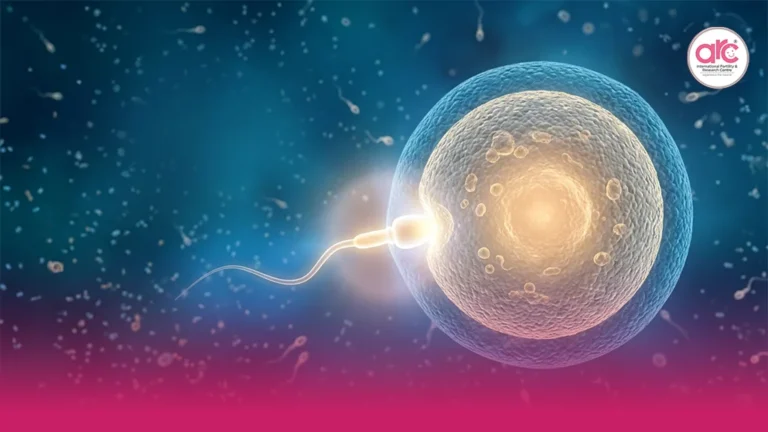
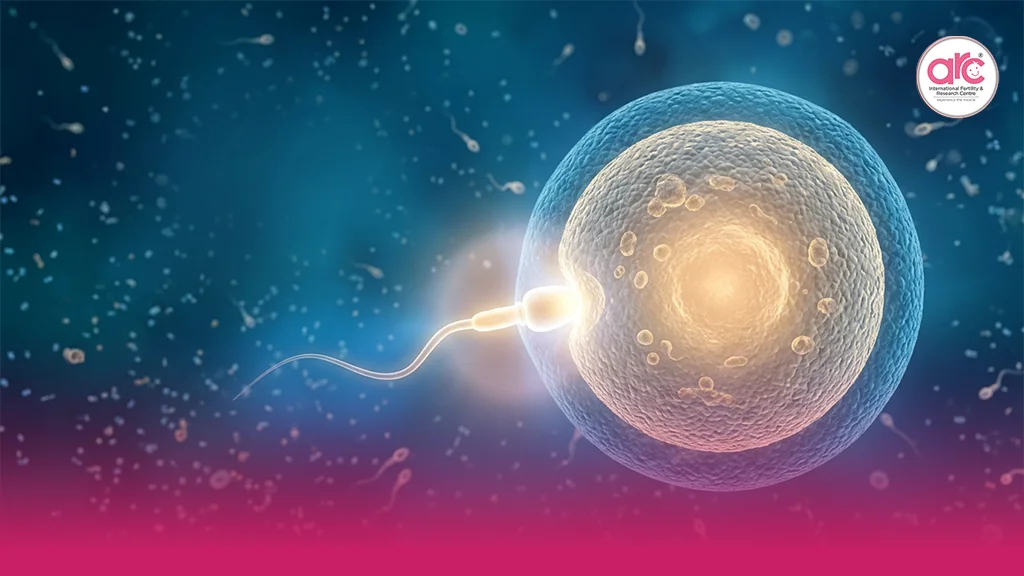
Implantation is not a simple “sticking” process. It is a carefully timed interaction between a healthy embryo and a receptive endometrium, which is the inner lining of the uterus. Usually, implantation begins about 6 to 10 days after ovulation in a natural cycle. In IVF, the timing depends on the embryo stage and the transfer protocol.
For implantation to occur, the endometrium must be hormonally prepared, adequately thick, well vascularised, and receptive at the right time. The embryo also needs to reach a stage where it can hatch and attach. This is why fertility specialists look beyond one symptom. They assess ovarian response, embryo development, uterine cavity health, progesterone support, thyroid status, prolactin levels, age-related factors, and previous treatment history.
If the uterus is contracting too frequently during the narrow implantation window, there is a theoretical and clinically observed concern that the embryo may have difficulty settling in the ideal location. In IVF, excessive uterine activity after embryo transfer may also be associated with lower implantation rates in certain patients.
Can Uterine Contractions Push the Embryo Out?
This is one of the most common fears after embryo transfer. Patients often imagine the embryo “falling out” if they stand, walk, cough, or use the bathroom. Fortunately, that is not how implantation works.
The embryo is microscopic and placed gently inside the uterine cavity, which is not an open space like a hollow container. The walls of the uterus are close together, and the embryo is surrounded by fluid and the endometrial surface. Normal movement, urination, bowel movements, or gentle daily activity will not cause the embryo to drop out.
However, very active uterine contractions may influence where the embryo moves within the uterine cavity. Some research has suggested that strong fundal-to-cervical contractions may be less favourable after embryo transfer because they could shift the embryo away from the best implantation area. This is why fertility specialists try to make embryo transfer as atraumatic as possible and may use ultrasound guidance, gentle catheter techniques, and appropriate luteal phase support.
Why Do Uterine Contractions Increase?
Several factors may contribute to increased uterine activity. Some are temporary and harmless, while others may need evaluation.
1. Hormonal changes
Estrogen can increase uterine contractility, while progesterone generally has a calming effect on the uterus. This is one reason progesterone support is commonly used after IVF embryo transfer. It helps prepare and stabilise the endometrium during the luteal phase.
2. Difficult embryo transfer
If embryo transfer requires repeated catheter movement, cervical manipulation, or extra time, the uterus may respond with contractions. Experienced fertility teams focus on making the procedure smooth and gentle to reduce unnecessary stimulation.
3. Uterine conditions
Fibroids, adenomyosis, endometrial polyps, inflammation, or congenital uterine shape differences may affect uterine function and implantation. If implantation has failed repeatedly, doctors may investigate the uterine cavity more closely. For example, abnormal growths inside the uterine lining can affect embryo attachment, and it may help to understand the signs of endometrial polyps and implantation concerns before planning the next steps.
4. Stress and body tension
Stress alone is rarely the direct cause of implantation failure. Still, anxiety can heighten body awareness and make normal pelvic sensations feel alarming. It may also affect sleep, digestion, and pain perception. Emotional support during fertility treatment is not a luxury; it is part of patient-centred care.
5. Procedures or irritation
Recent hysteroscopy, infection, cervical irritation, or pelvic inflammation may increase uterine sensitivity. If pain is severe, persistent, or associated with fever, foul discharge, or heavy bleeding, medical review is important.
What Do Cramps After Embryo Transfer Mean?
Mild cramping after embryo transfer is common and does not automatically mean implantation has failed. It may occur because of the transfer procedure, progesterone medication, enlarged ovaries after stimulation, constipation, bloating, or normal uterine response.
Some women who become pregnant feel cramps. Some who do not become pregnant also feel cramps. Symptoms are not reliable enough to confirm success or failure. The most dependable next step is the beta-hCG blood test at the time advised by your fertility doctor.
It is also important not to stop medicines based on symptoms. Progesterone can delay bleeding even if pregnancy has not occurred, and spotting can happen even in early pregnancy. Always follow your clinic’s instructions until the test result is reviewed.
How Fertility Specialists Evaluate Implantation Problems
If there is one failed cycle, doctors may not immediately label it as an implantation disorder. Even with good embryos and a good lining, not every embryo implants. But if there are repeated implantation failures, miscarriages, or known uterine concerns, a more detailed evaluation may be recommended.
This may include transvaginal ultrasound, saline infusion sonography, hysteroscopy, endometrial assessment, infection screening, hormonal tests, and review of embryo quality. In IVF patients, the doctor may also review stimulation protocol, trigger timing, progesterone levels, transfer difficulty, catheter placement, and whether a fresh or frozen embryo transfer is more suitable.
Some patients may benefit from a freeze-all approach if hormone levels are very high in the stimulation cycle. Others may need correction of polyps, submucosal fibroids, adhesions, or fluid in the fallopian tube before transfer. Treatment is not the same for everyone because the reason behind implantation difficulty is not the same for everyone.
Can Doctors Reduce Uterine Contractions Before Implantation?
In selected IVF cases, doctors may consider strategies to reduce excessive uterine activity. These may include careful embryo transfer technique, adequate progesterone support, timing the transfer appropriately, managing pain or cervical difficulty, and treating uterine cavity problems before transfer.
Some medications have been studied for reducing uterine contractions around embryo transfer, but they are not used routinely for every patient. Fertility care must be individualised. A medication that is useful in one situation may be unnecessary in another. Your doctor will consider your age, diagnosis, embryo quality, uterine findings, previous transfer history, and overall safety before recommending any intervention.
Should You Take Bed Rest After Embryo Transfer?
Strict bed rest is usually not required after embryo transfer. In fact, prolonged bed rest may increase anxiety and discomfort. Most patients are advised to take it easy for the day, avoid heavy lifting or intense exercise, and return to gentle daily activities.
The goal is not to freeze the body in place. The goal is to avoid unnecessary strain while supporting normal circulation, emotional calm, and medication adherence. Walking slowly, eating balanced meals, staying hydrated, and sleeping well are more useful than lying still and worrying about every movement.
When Should You Contact Your Doctor?
Mild cramps can be normal, but you should contact your fertility team if you experience severe pelvic pain, heavy bleeding, dizziness, fever, foul-smelling discharge, painful urination, or increasing abdominal swelling after ovarian stimulation. These symptoms may not be related to implantation but still need medical attention.
You should also seek guidance if you have repeated implantation failure, known fibroids or polyps, severe period pain, suspected endometriosis, or previous difficult embryo transfers. These details can change the treatment plan.
What This Means for Women Trying to Conceive
So, can uterine contractions reduce implantation? They can potentially play a role, especially if contractions are excessive during the implantation window or after embryo transfer. But they are only one part of a much larger fertility picture.
If you felt cramps and the cycle failed, it is natural to look for a reason. But blaming your body can be emotionally painful and medically inaccurate. Implantation depends on embryo genetics, endometrial readiness, uterine structure, hormonal support, and precise timing. A thoughtful fertility review can often identify what needs attention and what was simply outside anyone’s control.
At ARC Fertility Hospitals, the focus is on understanding the full context rather than treating one symptom in isolation. If you are planning IVF, recovering after embryo transfer, or worried about implantation failure, speaking with a fertility specialist can help you receive clear, personalised guidance without unnecessary fear.