Does alcohol during the two-week wait prevent pregnancy?
The two-week wait can make even small everyday choices feel heavy. A cup of coffee, a workout, a late night, or one glass of wine can suddenly become a question: did I just reduce my chance of pregnancy? If you are asking, Does alcohol during the two-week wait prevent pregnancy?, the honest answer is: one isolated drink does not automatically prevent pregnancy, but avoiding alcohol during this window is the safest and most medically sensible choice.
The reason is not fear. It is timing. During the two-week wait, ovulation has happened, fertilisation may have occurred, and an embryo may be travelling toward the uterus or beginning implantation. Because you may not yet know whether you are pregnant, doctors usually advise treating this period as a possible early pregnancy.
What actually happens during the two-week wait?
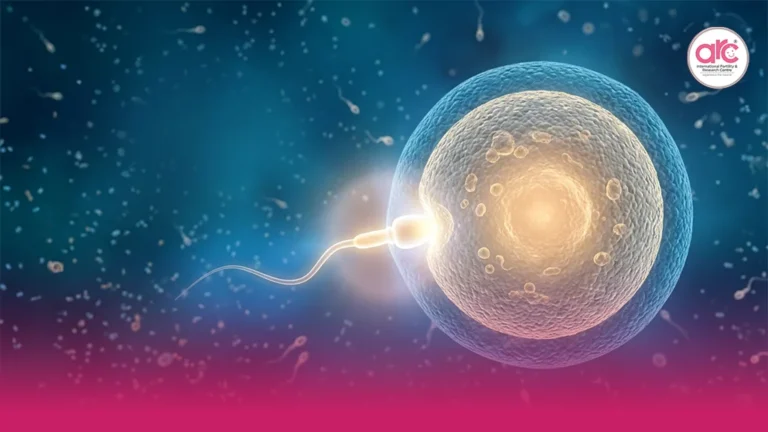
The two-week wait is the time between ovulation, IUI, or embryo transfer and the pregnancy test. In a natural cycle or IUI cycle, the egg may be fertilised in the fallopian tube within about 12 to 24 hours after ovulation. Over the next several days, the embryo develops and moves toward the uterus. Implantation usually happens several days later, though the exact timing varies.
In IVF, the timing depends on whether a day-3 or day-5 embryo was transferred. After transfer, the embryo still needs to attach to the uterine lining and begin producing hCG, the hormone detected in a pregnancy test. This is why testing too early often creates confusion. A negative home test before the advised date does not always mean treatment failed.
During this period, your body is not looking for perfection. It needs a receptive uterine lining, balanced hormones, good luteal phase support if prescribed, and time. Alcohol is only one factor, but because it is avoidable, most fertility specialists recommend not taking it during the two-week wait.
How alcohol may affect early conception
Alcohol can affect the body in several indirect ways. It may influence hormone balance, sleep quality, inflammation, blood sugar stability, liver metabolism, and overall cellular environment. In early pregnancy, there is no confirmed safe amount of alcohol. That is why the safest guideline is simple: if pregnancy is possible, avoid alcohol.
This does not mean that a woman who drank before knowing she was pregnant should panic. Many women have had a drink before a positive test and go on to have healthy pregnancies. The point is not guilt; it is risk reduction. Once you are aware that conception may have happened, stopping alcohol is a practical step you can control.
Can one drink ruin implantation?
This is one of the most common fears during the wait. For most women, one accidental drink is unlikely to single-handedly “ruin” implantation. Implantation is a complex biological process involving embryo quality, uterine lining receptivity, progesterone support, immune signalling, and timing. It is rarely decided by one small event.
However, repeated drinking or binge drinking is different. Higher alcohol intake may create a less supportive environment and is best avoided when trying to conceive. If you are in fertility treatment, especially after IUI or IVF, you have already invested emotionally, physically, and financially. Avoiding alcohol for two weeks is a small but meaningful way to protect that effort.
What if I drank before I knew?
If you had alcohol before realising you were in the two-week wait, do not spiral into self-blame. Stress and guilt will not help your body. Stop drinking now, continue your prescribed medicines, and wait until the correct test date. If the intake was heavy or you are worried, speak honestly with your fertility doctor. Doctors are not there to judge; they need accurate information to guide you safely.
It is also worth remembering that early symptoms are unreliable. Cramping, bloating, breast tenderness, mood changes, and fatigue may come from progesterone, PMS, early pregnancy, or fertility medications. Alcohol-related anxiety can make you over-read every sensation. The more useful approach is to follow the plan given by your fertility team and avoid testing too early.
Alcohol after IUI or IVF: should the advice be stricter?
Yes, usually. After IUI or IVF, fertility doctors often recommend avoiding alcohol completely. This is partly because pregnancy may occur and partly because treatment cycles are carefully timed. In IVF, the body may also be recovering from stimulation, egg retrieval, or hormonal medicines. Alcohol can worsen dehydration, sleep disturbance, acidity, and fatigue for some women.
If you are comparing IUI and IVF, alcohol is not usually the deciding factor. The choice depends on age, ovarian reserve, sperm parameters, tube status, duration of infertility, previous treatments, and diagnosis. IUI may be suitable when tubes are open and sperm parameters are reasonable. IVF is often advised when there are blocked tubes, severe male factor infertility, low ovarian reserve, advanced maternal age, endometriosis-related infertility, or repeated IUI failure.
At ARC Fertility Hospitals, counselling usually focuses on the reason behind each treatment step, not just the procedure itself. A woman choosing care at the Best Fertility Hospital in Chennai should feel able to ask practical questions like whether she can travel, exercise, drink coffee, or attend a social event during the wait.
What should you drink instead?
Hydration sounds basic, but it matters more than many people think. Good fluid intake supports circulation, digestion, cervical mucus before ovulation, and comfort during hormone treatment. You do not need extreme water intake or expensive fertility drinks. Water, tender coconut water, milk, soups, and fresh homemade options are usually enough unless your doctor has given restrictions.
If you are unsure how much fluid is reasonable while trying to conceive, this guide on how much water you should drink when trying to conceive may help you keep expectations realistic. The goal is steady hydration, not forcing yourself to drink beyond comfort.
How to handle social pressure during the two-week wait
Many women struggle less with alcohol itself and more with explaining why they are not drinking. You may not want to tell friends, colleagues, or relatives that you are trying to conceive or undergoing treatment. That is completely understandable.
Simple explanations can help: “I am on medication,” “I am avoiding alcohol for health reasons,” “I have an early morning,” or “I am taking a break this month.” You do not owe anyone your fertility story. Protecting your emotional privacy is part of protecting your treatment journey.
When should you speak to a fertility specialist?
If you have been trying to conceive for 12 months under age 35, or 6 months if you are 35 or older, it is wise to seek an evaluation. You should also consult earlier if you have irregular periods, known PCOS, endometriosis, previous pelvic infection, recurrent miscarriage, low AMH, thyroid imbalance, or a known male fertility issue.
A proper fertility evaluation usually includes ovulation assessment, ultrasound, ovarian reserve testing, semen analysis, tubal evaluation when needed, and review of medical history. The answer is not always IVF. Sometimes timed intercourse, lifestyle correction, ovulation induction, IUI, surgery, or IVF may be recommended depending on the cause.
For many women, the biggest relief comes from clarity. A consultation at a Fertility Hospital in Chennai can help separate internet fear from medically relevant advice, especially when every two-week wait feels emotionally exhausting.
The practical answer
So, does alcohol during the two-week wait prevent pregnancy? Not necessarily, especially if it was a one-time accidental drink. But because no amount of alcohol is considered proven safe in early pregnancy, and because implantation may be happening before you know the result, avoiding alcohol is the best choice.
Think of it this way: the two-week wait is not a test of discipline or perfection. It is a short window where you give your body the most supportive conditions possible. Take your medicines as prescribed, eat normally, stay hydrated, sleep as well as you can, avoid alcohol, and wait for the scheduled pregnancy test. If the result is positive, you have already started safely. If it is negative, your doctor can help you understand the next step without self-blame.