The days after ovulation, IUI, or embryo transfer can feel unusually intense. Many women become aware of every movement, cramp, meal, and sleeping position. One common worry is: Does Sleeping on Your Stomach Affect Implantation? It is a very human question. When you are hoping for pregnancy, even something as ordinary as turning over in bed can suddenly feel risky.
The reassuring answer is that, for most women, sleeping on your stomach does not prevent implantation. An embryo does not simply “fall out,” get crushed, or fail to attach because of the way you sleep. Implantation is a biological process guided by embryo quality, uterine lining receptivity, hormones, and overall reproductive health. Still, it is worth understanding what actually happens during implantation, what may affect it, and how to care for yourself during this emotionally sensitive time.
What Happens During Implantation?
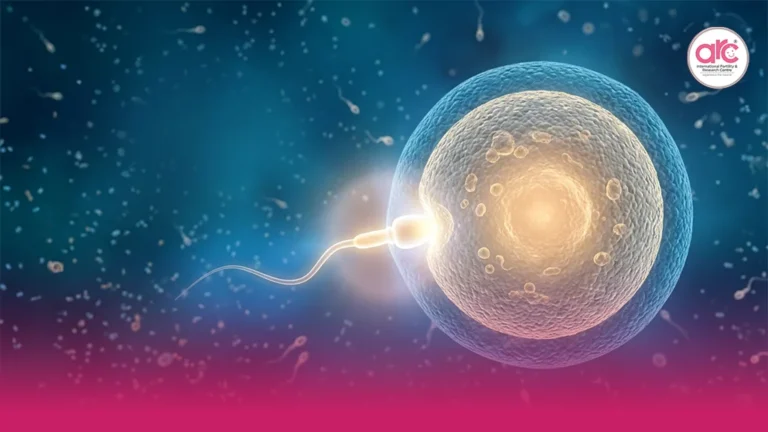
Implantation usually occurs around 6 to 10 days after ovulation, though timing can vary slightly. After fertilisation, the embryo travels through the fallopian tube and reaches the uterus. If the uterine lining is receptive, the embryo begins to attach and embed itself into the endometrium.
This is not a fragile surface-level event. The uterus is a muscular, well-protected organ located deep within the pelvis. The embryo is microscopic and interacts with the uterine lining through cellular and hormonal signals. Your usual sleeping position, gentle movement, walking, or turning in bed does not normally interfere with this process.
In IVF, after an embryo transfer, many patients feel extra cautious because they know the embryo has been placed inside the uterus. But once placed, the embryo is not floating loosely in a large empty space. The uterine cavity is more like a soft, closed environment. Normal daily activities and sleep positions do not dislodge it.
So, Does Sleeping on Your Stomach Affect Implantation?
For most women, no. Sleeping on your stomach is not known to reduce implantation chances in natural conception, IUI, or IVF cycles. There is no strong medical evidence showing that stomach sleeping prevents an embryo from attaching to the uterine lining.
Many women unknowingly sleep on their stomach during the implantation window and go on to have healthy pregnancies. Others sleep carefully on their back or side and may still not conceive that cycle. This difference can feel frustrating, but it highlights an important truth: implantation depends much more on internal fertility factors than external sleeping posture.
That said, comfort matters. If stomach sleeping causes pelvic pressure, breast tenderness, bloating, or anxiety after ovulation or embryo transfer, you may prefer sleeping on your side. The goal is not to follow a strict rule, but to help your body rest without fear.
What Actually Affects Implantation?
If sleep position is not the main concern, what is? Implantation can be influenced by several medical and biological factors. These include the quality of the egg and sperm, embryo chromosomal health, uterine lining thickness and pattern, progesterone levels, thyroid health, inflammation, uterine conditions such as fibroids or polyps, and age-related fertility changes.
In IVF, doctors also consider embryo grading, timing of transfer, endometrial preparation, and whether the uterus is ready to receive the embryo. In natural conception, ovulation timing, tubal function, sperm quality, and hormone balance all play a role. This is why fertility specialists focus on evaluation rather than blaming everyday habits.
It is also important to remember that even when everything looks normal, implantation may not happen in every cycle. This does not always mean something is wrong. Human reproduction is naturally inefficient, and many embryos do not implant because of factors outside a woman’s control.
Why the Two-Week Wait Feels So Emotionally Heavy
The two-week wait can make ordinary life feel full of hidden meanings. A mild cramp may feel like either implantation or a period. Breast tenderness may feel hopeful one hour and worrying the next. A night of stomach sleeping may cause guilt the moment you wake up.
This emotional pattern is especially common after fertility treatment, pregnancy loss, or months of trying to conceive. The mind searches for control because the outcome is uncertain. But blaming yourself for sleeping naturally is neither fair nor medically accurate.
A kinder approach is to ask: “Is this habit truly harmful, or am I trying to control something biology has not revealed yet?” In the case of stomach sleeping, the evidence supports reassurance rather than worry.
Best Sleeping Position During Implantation
There is no medically proven “best” sleeping position for implantation. You can sleep in the position that feels comfortable. Side sleeping, especially the left side, is often discussed during later pregnancy because of blood flow and comfort, but this guidance is not usually necessary during the implantation window.
If you are bloated after ovulation medications, trigger shots, or IVF stimulation, side sleeping with a pillow between your knees may feel better. If your breasts are sore, stomach sleeping may become uncomfortable naturally. If you are anxious, you may find that choosing a relaxed side position helps you sleep more peacefully.
Sleep quality itself may be more useful than sleep position. Poor sleep can increase stress and make the waiting period harder to manage. A calming bedtime routine, reduced screen time, light stretching if approved by your doctor, and a consistent sleep schedule can support your overall wellbeing.
After Embryo Transfer: Should You Avoid Stomach Sleeping?
After embryo transfer, clinics often advise patients to avoid strenuous exercise, heavy lifting, smoking, alcohol, and unprescribed medicines. But strict bed rest is generally not recommended for most patients. Normal movement is usually safe, and many fertility specialists encourage gentle routine activity.
Stomach sleeping after embryo transfer is not usually considered dangerous, especially in the early days. However, if your doctor has given you specific instructions due to ovarian enlargement, ovarian hyperstimulation risk, pain, bleeding, or another medical condition, follow that advice. Individual treatment context matters.
At ARC Fertility Hospitals, doctors guide patients based on their cycle type, ovarian response, embryo transfer plan, and medical history. Personalised guidance can reduce unnecessary fear because you know which precautions matter and which ones do not.
Habits That Deserve More Attention Than Sleep Position
Instead of worrying about whether you rolled onto your stomach, focus on the habits that can genuinely support conception and early pregnancy health. Take prescribed progesterone or fertility medicines exactly as advised. Avoid smoking and alcohol. Limit excessive caffeine. Eat balanced meals with protein, healthy fats, whole grains, fruits, and vegetables. Stay hydrated. Do not start supplements or medicines without checking with your doctor.
Some intimate products may also raise questions while trying to conceive. For example, couples sometimes wonder about condoms with numbing agents, and it can be helpful to understand whether benzocaine in condoms affects fertility. Similarly, not every lubricant is sperm-friendly, so learning how lubricants may affect conception can be more relevant than worrying about your sleeping posture.
When Should You Speak to a Fertility Specialist?
If you have been trying to conceive for 12 months and are under 35, or for 6 months if you are 35 or older, it is sensible to seek a fertility evaluation. You should also consult earlier if you have irregular periods, known PCOS, endometriosis, fibroids, recurrent pregnancy loss, previous pelvic infection, low ovarian reserve, or a male partner with known sperm concerns.
A fertility consultation does not mean you will immediately need IVF. Often, the first step is understanding ovulation, ovarian reserve, semen parameters, tubal status, thyroid function, and uterine health. Some couples may benefit from timed intercourse or IUI, while others may need IVF depending on the diagnosis. The right treatment depends on why conception is not happening, not on assumptions.
How to Get Through the Waiting Period Without Self-Blame
During the implantation window, it helps to separate medical precautions from emotional fears. Medical precautions are specific: take your medicines, avoid harmful substances, follow your clinic’s instructions, and report concerning symptoms. Emotional fears are often broad: “Did I bend too much?” “Did I sleep wrong?” “Did I ruin my chance?”
If you wake up on your stomach, take a breath. You have not failed your body. You have not undone implantation. You simply slept. Try to return your attention to what is within your control: rest, nourishment, medication adherence, and reaching out for support when anxiety becomes overwhelming.
Final Takeaway
Does Sleeping on Your Stomach Affect Implantation? In most cases, no. Implantation is not easily disturbed by normal sleeping positions. The uterus protects the early embryo, and the process depends far more on embryo health, uterine receptivity, hormones, and overall fertility factors.
If stomach sleeping feels comfortable, it is generally not something to fear. If it makes you anxious or physically uncomfortable, shift to your side. Most importantly, do not let the two-week wait become a cycle of self-blame. If you are unsure about symptoms, treatment precautions, or repeated difficulty conceiving, a fertility specialist at ARC Fertility Hospitals can help you understand your situation clearly and compassionately.