Why Am I Ovulating but Still Not Getting Pregnant?
If your periods are regular, ovulation kits turn positive, or your doctor has confirmed that you are ovulating, it can feel deeply confusing when pregnancy still does not happen. Many women ask, “If I am releasing an egg every month, why am I not conceiving?” It is a valid question, and the answer is rarely about one single factor.
Ovulation is essential, but pregnancy requires several steps to work together: a healthy egg, good-quality sperm, open fallopian tubes, well-timed intercourse, fertilisation, embryo development, and implantation in a receptive uterus. If any one of these steps is affected, conception may take longer even when ovulation is happening regularly.
At ARC Fertility Hospitals, couples often come in after months of trying, feeling as if they have done everything “right.” The first reassurance is this: ovulating means one important part of the fertility process is functioning. The next step is to understand what else may be influencing your chances.
Ovulation Does Not Automatically Mean Conception
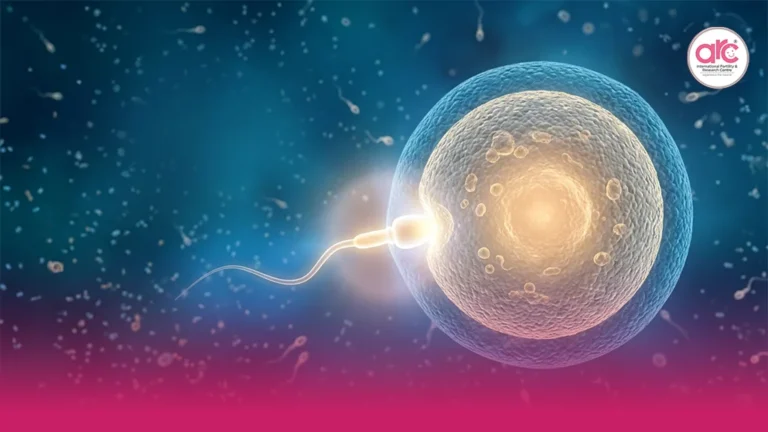
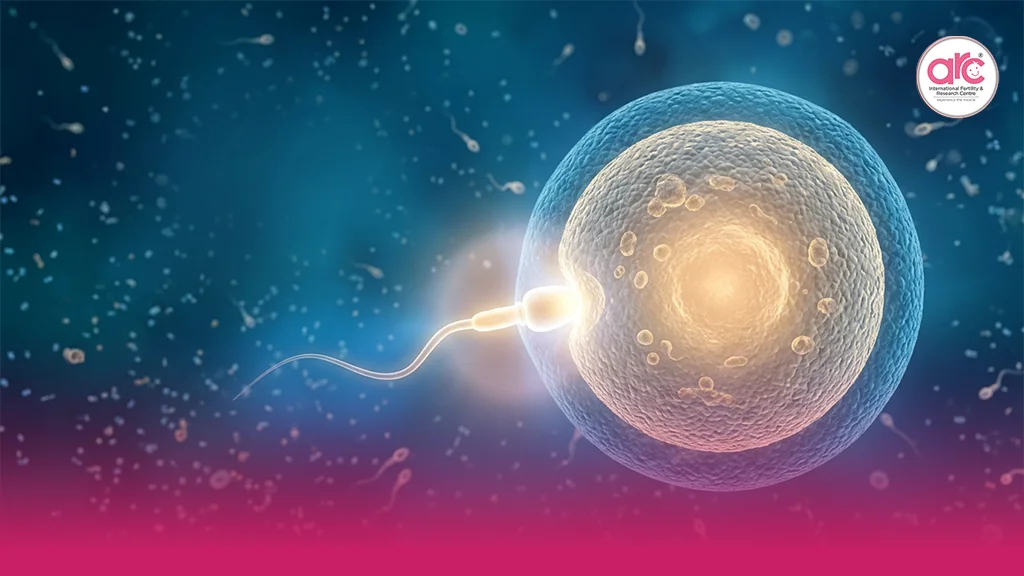
Ovulation means an egg is released from the ovary. But for pregnancy to occur, sperm must reach the egg at the right time, fertilisation must take place, and the embryo must travel into the uterus and implant. Each stage has its own biological requirements.
For example, you may ovulate every month but have blocked fallopian tubes. In that case, the egg and sperm may not meet. Or your partner’s semen report may show low motility, meaning fewer sperm are able to swim efficiently towards the egg. Sometimes fertilisation happens, but the embryo does not develop well enough to implant. In other cases, the uterus may not be optimally prepared for implantation.
This is why fertility doctors do not look at ovulation alone. They assess the full pathway of conception.
Timing May Still Be Slightly Off
Many couples track ovulation but still miss the most fertile window. The egg usually survives for around 12 to 24 hours after ovulation, while sperm can survive for up to several days in the female reproductive tract. This means intercourse before ovulation is often more helpful than waiting until after ovulation is confirmed.
If you are using ovulation predictor kits, a positive result usually suggests that ovulation may happen within the next 24 to 36 hours. Having intercourse on the day of the positive test and the following day is usually recommended. However, if intercourse is happening only after ovulation pain, temperature rise, or app confirmation, the timing may already be late.
Apps can estimate patterns, but they cannot confirm exactly when your egg is released. If cycles vary, even slightly, relying only on predicted fertile days may reduce your chances.
Egg Quality Can Affect Pregnancy Chances
Ovulation tells us that an egg is released, but it does not tell us about the quality of that egg. Egg quality mainly refers to whether the egg has the right chromosomal and cellular health to fertilise, divide, and form a healthy embryo.
Age is one of the strongest influences on egg quality. Fertility can begin to decline gradually after 30 and more noticeably after 35, though every woman is different. Some younger women may also have reduced ovarian reserve, endometriosis, autoimmune concerns, previous ovarian surgery, or lifestyle and medical factors that affect egg health.
Doctors may suggest tests such as AMH, antral follicle count, and hormone evaluation to understand ovarian reserve. These tests do not predict pregnancy with certainty, but they help guide treatment decisions and timelines.
Male Fertility Factors Are Common and Often Missed
When a woman is ovulating regularly, couples sometimes assume the issue must still be on the female side. In reality, male fertility contributes to a significant number of delayed conception cases. A semen analysis is one of the simplest and most important early tests.
Sperm count, motility, morphology, and sometimes DNA fragmentation can influence whether sperm can reach and fertilise the egg. Even if sperm are present, they may not be moving well enough or may have structural concerns. If your partner’s report mentions reduced sperm movement, this explanation of asthenozoospermia and pregnancy chances may help you understand why motility matters.
Male fertility issues are not about blame. They are medical findings, and many can be managed with lifestyle changes, medicines, IUI, IVF, or ICSI depending on severity.
Your Fallopian Tubes May Need Evaluation
Fallopian tubes are where the egg and sperm usually meet. If one or both tubes are blocked, swollen, damaged, or affected by adhesions, natural conception may become difficult even when ovulation is normal.
Common causes include previous pelvic infections, tuberculosis in some regions, endometriosis, pelvic surgery, ruptured appendix, or scar tissue. Many women with tubal blockage have no obvious symptoms. Periods may be regular, ovulation may be normal, and pain may be absent.
Doctors may advise an HSG, SSG, HyCoSy, or laparoscopy depending on your history. If tubes are open and healthy, timed intercourse or IUI may be possible. If both tubes are blocked or damaged, IVF is usually considered because it allows fertilisation outside the body and bypasses the tubes.
Endometriosis Can Interfere Even with Regular Ovulation
Endometriosis can affect fertility in subtle ways. It may cause inflammation, adhesions, ovarian cysts called endometriomas, altered pelvic anatomy, or changes in egg and embryo environment. Some women have severe pain, while others have mild symptoms or none at all.
Clues may include painful periods, pain during intercourse, bowel discomfort around periods, spotting, or a history of ovarian cysts. But absence of symptoms does not completely rule it out.
Treatment depends on age, ovarian reserve, severity, duration of trying, and previous treatment. Some women benefit from surgery, while others may be advised not to delay fertility treatment, especially if ovarian reserve is already low.
Implantation and Uterine Factors Matter Too
Even after fertilisation, pregnancy depends on successful implantation. The uterus needs a healthy cavity and receptive lining. Fibroids that distort the uterine cavity, endometrial polyps, adhesions, chronic endometritis, congenital uterine differences, or very thin lining may reduce implantation chances.
An ultrasound can identify many uterine concerns, but sometimes saline sonography, hysteroscopy, or additional tests are needed. If you have heavy bleeding, repeated spotting, recurrent miscarriages, or failed fertility treatments, uterine evaluation becomes especially important.
Embryo development also plays a role. Some embryos grow more slowly than expected, and couples undergoing IVF often worry about what that means. This guide on whether slow-growing embryos can still implant explains why embryo timing is important but not always absolute.
How Long Should You Try Before Seeing a Fertility Doctor?
If you are under 35 and have been trying regularly for 12 months without pregnancy, it is reasonable to seek a fertility evaluation. If you are 35 or older, it is better to consult after 6 months. If you are over 40, have irregular cycles, known endometriosis, previous pelvic infection, miscarriage history, low AMH, or a male factor concern, you should not wait.
Seeking help early does not mean you are committing to IVF. A fertility consultation is often about clarity. Many couples only need cycle tracking, lifestyle correction, ovulation confirmation, semen analysis, tubal testing, or IUI. IVF is recommended when it is medically appropriate, not simply because pregnancy has not happened yet.
What Tests May Be Recommended?
A fertility specialist may suggest a step-by-step evaluation rather than ordering everything at once. Common tests include ultrasound follicle monitoring, AMH, FSH, LH, estradiol, thyroid profile, prolactin, semen analysis, and tubal patency testing. Depending on symptoms, tests for endometriosis, uterine cavity assessment, infection, or metabolic health may be added.
The purpose of testing is not to label you as infertile. It is to identify where the process may be slowing down. When the reason is understood, treatment becomes more precise and less emotionally exhausting.
Treatment Options Depend on the Cause
If ovulation is regular and all basic tests are normal, your doctor may suggest timed intercourse for a short period, especially if you are young and have not been trying long. If timing is difficult or mild male factor is present, IUI may be considered. If tubes are blocked, sperm parameters are significantly affected, ovarian reserve is low, or age is a concern, IVF or IVF with ICSI may offer a more suitable path.
No treatment can guarantee pregnancy, and a responsible fertility plan should always explain realistic chances, possible risks, cost considerations, and emotional readiness. The right approach is not the most aggressive one for everyone; it is the one that matches your diagnosis, age, timeline, and comfort.
When Ovulation Is Happening, Hope Is Still Reasonable
Not getting pregnant despite ovulation can be frustrating, especially when every cycle feels like a test of patience. But it does not mean you have failed, and it does not mean pregnancy is impossible. It simply means ovulation is only one part of a larger fertility picture.
If you have been trying for several months without success, consider a complete fertility evaluation for both partners. At ARC Fertility Hospitals, the goal is to help couples move from guesswork to clarity through careful diagnosis, personalised treatment planning, and compassionate support. Sometimes the answer is simple timing. Sometimes it is sperm, tubes, egg quality, endometriosis, or implantation. Once the missing piece is found, the next step becomes easier to choose.