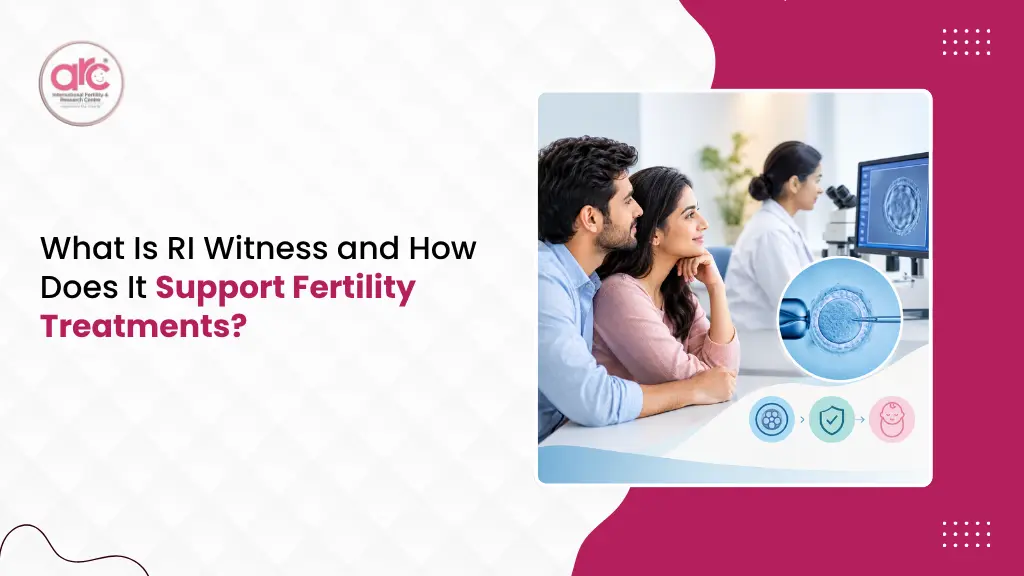
RI Witness is an electronic tracking system that confirms every egg, sperm sample, and embryo belongs to the right patient during fertility treatments. It works in the background of the IVF lab, scanning samples at each handover so nothing gets mixed up. Fertility treatments involve dozens of small transfers between dishes and tubes, and a single wrong label can undo an entire cycle. This is exactly the gap RI Witness was built to close.
What Are Fertility Treatments?
Fertility treatments are the medical procedures doctors use to help someone conceive when it isn’t happening on its own. IVF, IUI, and ICSI fall under this umbrella, though the right choice depends on the actual cause.
Before recommending fertility treatments, a doctor checks hormone levels, egg reserve, and sperm quality. Two patients rarely get the exact same protocol.
A standard cycle moves through a few stages:
- Ovarian stimulation with medication
- Egg retrieval
- Sperm collection and preparation
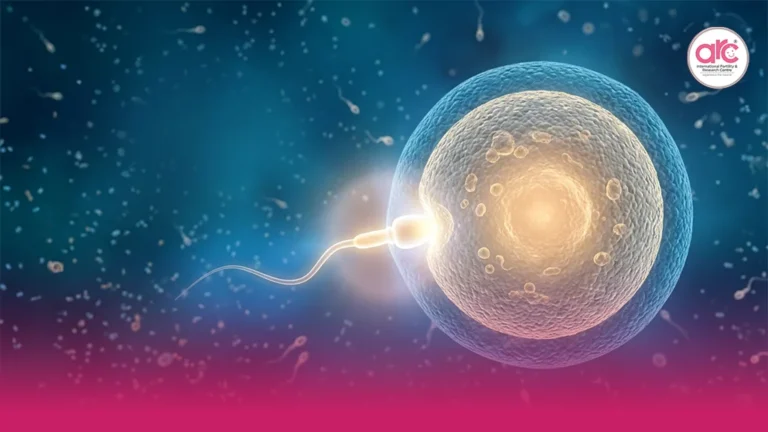
- Fertilisation in the lab
- Embryo transfer
Each stage means handling a biological sample by hand. Get one label wrong, and the whole cycle is affected.
How Does Electronic Witnessing Improve Safety in Fertility Treatments?
Safety improves because samples are matched to patients through a scanner instead of a staff member simply reading a label. Small RFID tags sit on the dishes and tubes used throughout the cycle, each one linked back to a patient’s file.
Picture an embryologist lifting a dish to move it to the next stage. A scanner reads the tag automatically. If that tag doesn’t line up with what the system expects for that patient, the transfer stops right there.
None of this is visible to patients. It just runs quietly in the background, and it brings the odds of a mix-up down to almost zero.
Why Do Fertility Treatments Need This Kind of Checking?
They need it because manual checks, however careful, aren’t foolproof. The older method has two staff members read labels aloud to each other – fine most days, but risky when the lab is busy or someone is tired.
RI Witness doesn’t replace those staff members. It just adds a second layer they can lean on.
Think about a lab running several patients through the same morning – that’s a lot of samples moving at once, and volume is usually where mistakes creep in. Every scan gets recorded too, so if anything needs review later, a digital trail already exists.
Which Fertility Treatments Use RI Witness?
RI Witness shows up most often in IVF and ICSI, since both involve multiple handovers between containers.
- IVF – each dish is tracked through fertilisation and embryo growth
- ICSI – identity is confirmed right before a sperm is injected into an egg
- Frozen embryo transfer – stored embryos are verified before thawing
- Donor cycles – donor samples are matched to the correct recipient
Not every clinic has adopted this yet, so it’s worth asking directly rather than assuming.
How Does This System Actually Work?
A radio-frequency chip goes on the sample container right at the start of the cycle. From there:
- Patient details get registered in the system
- Eggs, sperm, and embryos are tagged with matched identifiers
- Each transfer point triggers a scan
- A mismatch sets off an alert
- Everything gets logged digitally
Most of this happens without anyone thinking about it, which is really the point. Fertility treatments move through the lab with far less manual double-checking.
What Are the Benefits of RI Witness for Fertility Treatments?
The obvious one is near-total protection against sample mix-ups. But there’s more to it than that single point.
| Benefit | Impact |
| Automatic sample matching | Cuts out manual labelling errors |
| Real-time alerts | Stops a mistake before it happens |
| Digital audit trail | Supports accountability and review |
| Staff support | Eases pressure during busy lab hours |
| Patient confidence | Builds trust in the clinic’s process |
Clinics running this kind of system tend to have calmer, more predictable lab days. Patients say it’s one less thing to worry about during an already stressful process.
How Do You Choose a Clinic for Fertility Treatments?
Ask what safety systems the clinic’s lab uses – that answer alone tells you a lot about how seriously they take fertility treatments. A clinic running RI Witness is showing, in a practical sense, that it takes sample safety seriously.
A few other things worth checking:
- Laboratory accreditation and success rates
- Whether electronic witnessing is part of the process
- How experienced the embryology team is
- Upfront, clear pricing
- What past patients say in reviews
Anyone researching fertility treatments in Chennai can take a look at the best IVF centre in Avadi, Chennai to see what a technology-driven clinic actually looks like day to day.
Connect with ARC Fertility across social media like Facebook and Instagram and stay updated on fertility treatments, expert guidance, and success stories or you can directly connect on +91 9150915025.
Frequently Asked Questions
What does RI Witness track during fertility treatments?
Eggs, sperm samples, and embryos – at every stage, to confirm each one belongs to the right patient.
Does every IVF clinic use RI Witness?
No. Adoption varies, so it’s worth asking during your first consultation.
Does RI Witness replace laboratory staff?
No – it works alongside embryologists as an extra check, not instead of them.
Does this system change the cost of fertility treatments?
Not directly, but it can prevent the kind of error that becomes costly later.
Does electronic witnessing slow down treatment?
Barely. Scanning happens automatically as part of the normal lab workflow.