What is embryo arrest?
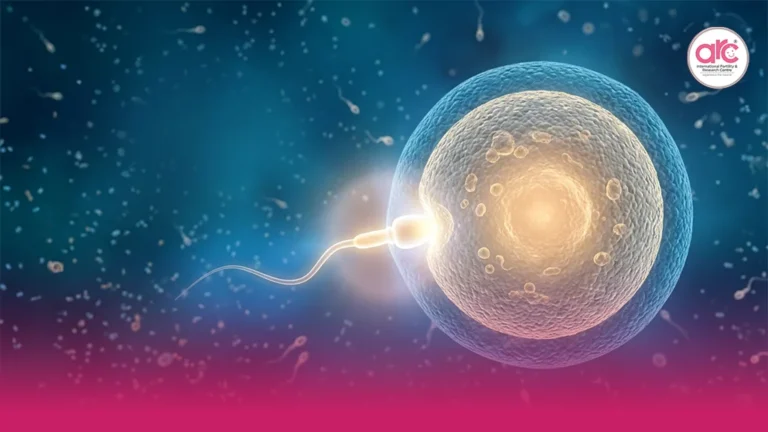
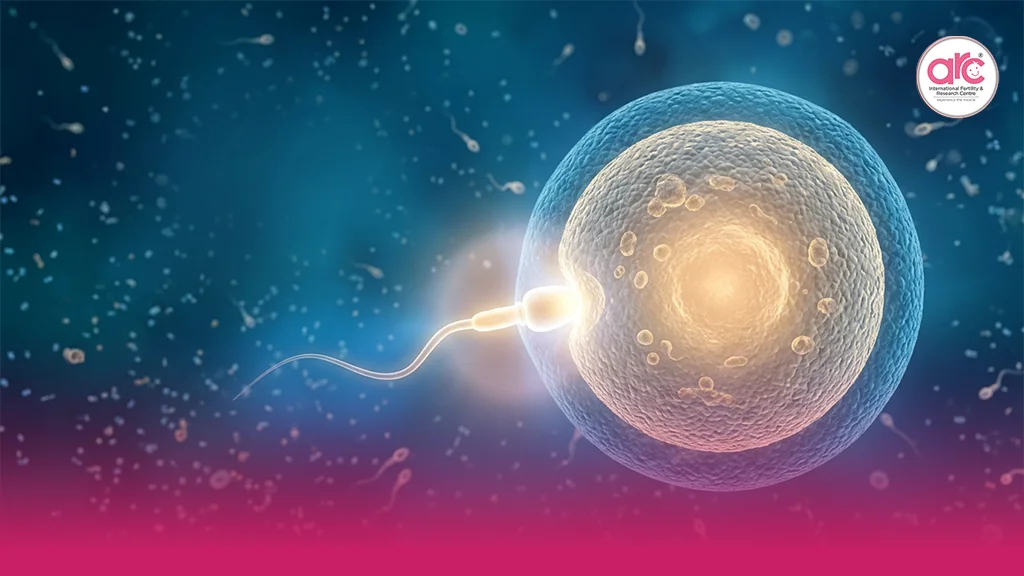
Embryo arrest means that an embryo stops developing at some point after fertilisation during an IVF or ICSI cycle. In simple terms, the egg and sperm may have joined, and the embryo may have started dividing, but then its growth slows down or stops completely before it reaches the stage needed for transfer or freezing.
For many women and couples, hearing the words “embryo arrest” can feel deeply upsetting. You may have gone through injections, scans, egg retrieval, and the anxious wait after fertilisation. So when an embryologist says that one or more embryos have stopped growing, it can feel like the cycle has failed without a clear reason. But embryo arrest is not about blame. It is often a sign that the embryo did not have the biological capacity to continue developing, and your fertility team uses this information to understand what may need to be reviewed before the next step.
At ARC Fertility Hospitals, embryo development is looked at carefully along with egg quality, sperm health, stimulation response, age, previous fertility history, and the laboratory timeline. The goal is not just to say “the embryo stopped,” but to understand where it stopped, why it may have happened, and what can be changed, if anything, in a future cycle.
How does normal embryo development happen?
After egg retrieval, mature eggs are fertilised with sperm through conventional IVF or ICSI. If fertilisation occurs, the embryo begins to divide. On day 2 or day 3, it may be seen as a cleavage-stage embryo. By day 5 or day 6, a healthy developing embryo may become a blastocyst, which is often the stage preferred for transfer or freezing.
Embryo arrest can happen at different points. Some embryos stop soon after fertilisation. Some divide for a day or two and then stop. Others reach day 3 but do not progress to the blastocyst stage. The timing matters because it can give clues. Early arrest may be more strongly linked to egg activation, egg maturity, sperm-related factors, or severe chromosomal problems. Arrest after day 3 may suggest issues with the embryo’s own genetic activation, energy supply, or chromosomal balance.
Why does embryo arrest happen?
There is rarely one single reason that explains every arrested embryo. In many IVF cycles, some embryos grow and some arrest, even when they come from the same egg retrieval. This is because each egg and sperm combination creates a unique embryo. Fertility doctors usually think in terms of probabilities and patterns rather than one fixed explanation.
1. Chromosomal abnormalities
One of the most common reasons embryos stop growing is an abnormal number or structure of chromosomes. Chromosomes carry genetic instructions needed for development. If an embryo receives too much or too little genetic material, it may not be able to continue dividing normally. Chromosomal errors become more common as maternal age increases, especially after the mid-30s, because egg quality naturally changes with age.
2. Egg quality and maturity
The egg contributes not only genetic material but also the early energy and cellular machinery that helps the embryo develop. If an egg is immature, fragile, or has reduced mitochondrial function, fertilisation may happen but development may not continue. Women with low ovarian reserve, advanced reproductive age, endometriosis, previous ovarian surgery, or a poor response to stimulation may sometimes see fewer embryos progress to blastocyst stage.
3. Sperm quality and DNA integrity
Sperm health is also important. A semen report may show count, movement, and shape, but it may not always show DNA damage inside the sperm. High sperm DNA fragmentation can affect embryo development, especially after the first few days. Lifestyle factors, varicocele, infections, heat exposure, smoking, and past injuries may influence sperm quality. If there is a history of trauma, surgery, or swelling in the testicles, it is worth discussing older testicular injuries and fertility with a fertility specialist, rather than assuming the issue is only on the female side.
4. Laboratory and culture conditions
IVF laboratories are designed to keep embryos in stable, carefully monitored conditions. Temperature, pH, culture media, oxygen levels, and handling are all controlled. Good laboratories maintain strict quality systems. Still, when embryo arrest occurs repeatedly, your doctor may review the fertilisation method, culture duration, incubator conditions, and whether any change in approach may be useful.
5. Ovarian stimulation response
The way the ovaries respond to fertility medicines can influence the number and maturity of eggs retrieved. Too few mature eggs may limit embryo options. In some women, very aggressive stimulation does not always improve quality. Your doctor may adjust medicine dose, trigger timing, stimulation protocol, or add supportive steps based on how your body responded in the previous cycle.
Is embryo arrest the same as implantation failure?
No. Embryo arrest happens before transfer, while the embryo is still being observed in the laboratory. Implantation failure happens after an embryo has been transferred into the uterus but does not attach or continue developing. This difference matters because the evaluation is different.
Embryo arrest points more toward embryo development, egg factors, sperm factors, fertilisation, genetics, or culture conditions. Implantation failure may involve embryo quality, uterine lining, timing, hormonal support, uterine conditions, or immune and clotting factors in selected cases. Many women worry that daily activities after transfer caused a problem, but ordinary movements are usually not the deciding factor. If you are anxious about physical activity, it may help to read about implantation myths after embryo transfer and discuss your personal restrictions with your doctor.
Does embryo arrest mean IVF will never work?
No. Embryo arrest in one cycle does not automatically mean IVF can never succeed. It means that the embryos in that particular cycle did not progress as expected. The next step depends on the pattern. Did all embryos arrest? Did only a few arrest while others became blastocysts? Was fertilisation poor? Were the eggs mature? Was sperm quality normal? How old is the patient? How many eggs were retrieved?
For example, if a woman has many eggs retrieved but most embryos arrest around day 3, the doctor may look more closely at sperm DNA fragmentation, egg quality, and stimulation strategy. If only one or two eggs were retrieved and both embryos arrested, the issue may be limited embryo numbers rather than a repeated biological pattern. A single cycle often gives information, but repeated cycles may reveal a clearer trend.
What tests or reviews may be suggested after embryo arrest?
Your fertility specialist may begin with a detailed review of the embryology report. This can include the number of eggs retrieved, how many were mature, how many fertilised normally, the day-by-day grading, and the stage at which embryos stopped developing.
Depending on your case, the doctor may consider ovarian reserve testing, hormone review, ultrasound assessment, semen analysis, sperm DNA fragmentation testing, infection screening, or genetic counselling. In some couples, ICSI may be recommended if fertilisation was poor. In others, changes in ovarian stimulation, trigger timing, antioxidant support for sperm health, lifestyle correction, or blastocyst culture planning may be discussed.
Preimplantation genetic testing for aneuploidy, often called PGT-A, can be helpful in selected situations, especially when embryos reach the blastocyst stage. However, it usually cannot test embryos that have already arrested before biopsy. This is why your doctor will explain whether genetic testing is relevant for your situation or not.
Can IUI help if embryos arrest in IVF?
This is a common question. IUI and IVF are very different. In IUI, sperm is placed inside the uterus around ovulation, and fertilisation happens inside the body. Because embryos are not grown in the laboratory, embryo arrest cannot be directly observed. IVF gives more information because doctors can see fertilisation and early development.
If embryo arrest has happened in IVF, moving to IUI is not automatically better. It may be reasonable in younger women with open tubes, good ovarian reserve, mild male factor, and no major infertility duration. But if there are significant egg, sperm, tubal, age-related, or repeated embryo development concerns, IVF may still provide more control and information. The right choice depends on diagnosis, age, time trying to conceive, previous cycles, and emotional and financial readiness.
How should you think about cost and next steps?
Embryo arrest can make the financial side of fertility treatment feel heavier, because the cycle may end before transfer. Before repeating treatment, it is reasonable to ask your doctor what was learned from the cycle and whether anything should be changed. Not every cycle needs a completely new plan, but a thoughtful review can prevent repeating the same approach without reflection.
Useful questions include: At what stage did the embryos arrest? Were the eggs mature? Was fertilisation normal? Is sperm DNA testing needed? Should the stimulation protocol change? Is donor egg, donor sperm, or genetic counselling relevant, or is it too early to discuss that? A good fertility team will answer these questions honestly without pressuring you into decisions before you are ready.
When should you seek expert help?
You should consider a detailed consultation if all embryos arrested, if embryo arrest has happened in more than one IVF cycle, if you are over 35, if sperm parameters are abnormal, or if there is a history of recurrent pregnancy loss, severe endometriosis, low ovarian reserve, or previous poor egg quality. Even one difficult cycle deserves a compassionate explanation.
Embryo arrest is emotionally painful, but it is also medically informative. With careful review, your fertility specialist can identify whether the next step should involve a protocol adjustment, deeper sperm evaluation, genetic discussion, improved embryo selection, or a broader fertility plan. At ARC Fertility Hospitals, the focus is on helping women and couples understand their options clearly, without false promises and without making them feel responsible for something they could not control.