It can feel deeply confusing when your scans, blood tests, periods, and even your partner’s semen analysis are reported as normal, yet every month ends with a negative pregnancy test. Many women describe this stage as the hardest part of trying to conceive—not because there is no treatment, but because there is no clear answer yet.
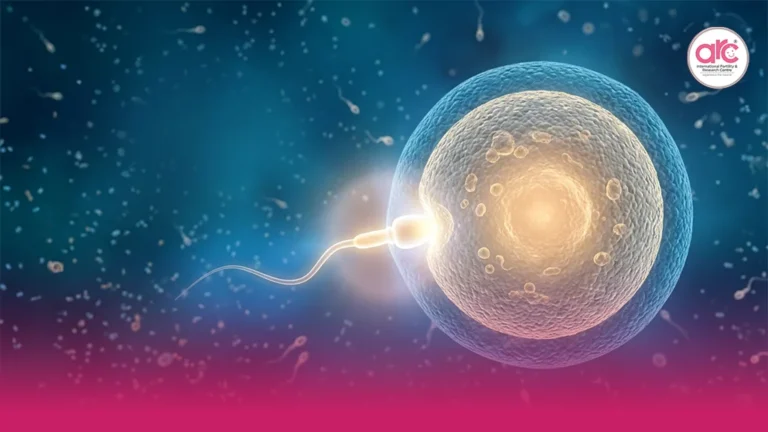
The question, “Why am I not getting pregnant if everything is normal?” is more common than most couples realise. In fertility medicine, “normal reports” do not always mean that every step required for pregnancy is happening perfectly. Conception depends on timing, egg release, sperm function, fallopian tube movement, fertilisation, embryo development, uterine receptivity, and implantation. A routine report may check some of these, but not all in detail.
At ARC Fertility Hospitals, couples are usually guided to look beyond one-time reports and understand the full reproductive pattern. If you are searching for the Best Fertility Hospital in Chennai, the right next step is not panic—it is a structured fertility review that connects your history, reports, age, and time spent trying.
“Normal” Fertility Reports Have Limits
A thyroid test may be normal, but it does not confirm egg quality. A scan may show follicles, but it may not prove that ovulation happened at the right time. A semen analysis may show acceptable count and motility, but it may not reveal sperm DNA damage or fertilisation potential. Similarly, open fallopian tubes on a basic test do not always mean the tubes are functioning optimally.
This is why doctors avoid giving reassurance based only on isolated numbers. Fertility is a sequence. If one small step is delayed, mistimed, or inefficient, pregnancy may not happen even when the main reports look reassuring.
Common Reasons Pregnancy May Not Happen Despite Normal Tests
1. Timing May Be Slightly Off
Many couples assume intercourse around day 14 is enough. But ovulation does not happen on day 14 for everyone. Women with 26-day cycles, 35-day cycles, stress-related cycle shifts, or mild hormonal variation may ovulate earlier or later than expected. The fertile window is usually the few days before ovulation and the day of ovulation. Missing that window by even two or three days can reduce the chance of conception.
Tracking ovulation with follicular monitoring can be more useful than relying only on apps. Apps predict; scans observe. This difference matters when you have been trying for several months without success.
2. Ovulation May Occur, But Not Consistently
A regular period often suggests ovulation, but it is not a guarantee every cycle. Some women ovulate irregularly despite monthly bleeding. Others may release eggs that are not mature enough, or the luteal phase after ovulation may be too short to support implantation properly.
Doctors may check mid-luteal progesterone, follicle growth, endometrial thickness, and cycle patterns to understand whether ovulation is not only happening, but happening well.
3. Egg Quality Is Not Clearly Seen in Routine Tests
Age is one of the most important fertility factors. A woman may have normal AMH, normal scans, and regular cycles, but egg quality can still decline with age, especially after the mid-30s. Egg quality affects fertilisation, embryo development, and implantation.
This does not mean pregnancy is impossible. It means time becomes more important. If you are above 35 and have been trying for six months, waiting for years may reduce options. A fertility specialist may suggest faster evaluation, IUI in selected cases, or IVF if there are additional concerns.
4. Sperm Function May Need Deeper Assessment
A standard semen analysis checks count, movement, and shape. But sperm must also reach the egg, bind to it, fertilise it, and contribute healthy genetic material. In some couples, pregnancy delay is linked to sperm DNA fragmentation, infection, oxidative stress, lifestyle factors, or intermittent semen quality changes.
Male fertility is not fixed from one report. Fever, smoking, alcohol, poor sleep, heat exposure, and stress can affect sperm over a two-to-three-month cycle. If semen parameters are borderline or pregnancy is delayed, deeper male evaluation may be advised.
5. Fallopian Tube Function Is More Than “Open or Blocked”
A tube test may show that tubes are open, but natural conception also needs the tubes to pick up the egg, allow sperm and egg to meet, and move the early embryo toward the uterus. Past pelvic infection, endometriosis, adhesions, or inflammation may affect this delicate function even when blockage is not obvious.
If there is pain during periods, pain during intercourse, previous pelvic infection, ectopic pregnancy, or abdominal surgery, doctors may look more carefully at tubal and pelvic factors.
6. The Uterus and Endometrium May Need Closer Review
Pregnancy needs a healthy embryo and a receptive uterine lining. Small polyps, fibroids pressing into the cavity, adhesions, chronic endometrial inflammation, or thin endometrium may interfere with implantation. Some of these may not be obvious on a routine ultrasound.
Depending on your history, a fertility doctor may recommend saline scan, hysteroscopy, or targeted treatment before planning IUI or IVF. The goal is not to do every test for everyone, but to choose tests that match your symptoms and timeline.
Could This Be Unexplained Infertility?
When ovulation appears normal, tubes are open, semen analysis is acceptable, and the uterus looks healthy, doctors may use the term unexplained infertility. This does not mean there is no reason. It means current standard tests have not identified the exact barrier.
Unexplained infertility can involve subtle egg-sperm interaction issues, fertilisation problems, embryo quality concerns, mild endometriosis, implantation factors, or timing inefficiencies. This diagnosis can feel frustrating, but it is also treatable. The approach usually depends on your age, duration of trying, previous pregnancies, and emotional readiness.
How Long Should You Keep Trying Naturally?
If you are under 35, have regular cycles, and no known fertility concerns, many doctors advise evaluation after 12 months of trying. If you are 35 or older, evaluation is usually recommended after six months. If you are over 40, have irregular periods, endometriosis symptoms, PCOS, recurrent miscarriage, known male factor, or previous pelvic surgery, it is better to seek help sooner.
Trying naturally for too long without clarity can become emotionally draining. A fertility consultation does not mean you must start IVF immediately. Often, it simply helps you understand whether timed intercourse, ovulation induction, IUI, or IVF is the most sensible next step.
IUI vs IVF: How Doctors Decide
IUI may be considered when tubes are open, ovulation can be timed, semen parameters are reasonable, and the woman’s age is favourable. It places prepared sperm closer to the egg around ovulation, improving timing and sperm access. However, IUI still depends on natural fertilisation inside the body.
IVF may be advised when age is a major concern, tubes are damaged, sperm quality is significantly affected, previous IUIs have failed, endometriosis is suspected, or unexplained infertility has continued for a long time. IVF allows doctors to observe fertilisation and embryo development more directly, which can reveal issues that routine tests cannot.
There is no single “best” treatment for every couple. The right plan is the one that balances medical probability, time, cost, comfort, and emotional capacity.
What About Lifestyle, Stress, and Daily Habits?
Lifestyle rarely explains every fertility delay, but it can influence hormone balance, egg environment, sperm quality, and implantation readiness. Sleep, nutrition, body weight, smoking, alcohol, excessive caffeine, and hydration all matter. If you are unsure about simple daily changes, this guide on hydration while trying to conceive can help you think practically without turning fertility into a strict rulebook.
Stress is often blamed unfairly. Stress alone is not usually the only reason pregnancy does not happen. But prolonged anxiety can affect intimacy, sleep, cycle regularity, and decision-making. Emotional support is part of fertility care, not an extra luxury.
Cost Concerns Are Valid
Many couples delay seeing a fertility doctor because they fear being pushed into expensive treatment. A responsible fertility centre should explain costs step by step—consultation, tests, medicines, monitoring, IUI, IVF, freezing, or add-on procedures if needed. Not every couple requires advanced treatment immediately.
Before starting any plan, ask: What are we treating? Why this option now? How many cycles should we try? What will make us change direction? Clear answers help you avoid both under-treatment and unnecessary treatment.
When Should You Meet a Fertility Specialist?
You should consider specialist help if you have been trying for one year under 35, six months over 35, or sooner if cycles are irregular, periods are very painful, miscarriages have occurred, semen reports are borderline, or you feel emotionally exhausted by repeated uncertainty.
A good fertility evaluation should not make you feel blamed. It should help you see the missing pieces clearly. At a trusted Fertility Hospital in Chennai, doctors can review both partners together and create a plan that respects your time, health, and hopes.
The Takeaway
If everything looks normal but pregnancy is not happening, you are not imagining the problem, and you are not alone. “Normal” reports are helpful, but they are not the full story. Fertility depends on many small steps working together at the right time.
The most useful next step is a calm, structured review: confirm ovulation, reassess sperm, check tubes and uterus appropriately, consider age and duration, and choose between continued natural trying, IUI, or IVF based on evidence—not fear. With the right guidance, uncertainty can become a plan.