Why am I spotting a week before my period is due? If you’ve been asking yourself this question, you’re not alone. Noticing light bleeding or brown discharge before your expected period can feel confusing, especially if you’re trying to conceive. While spotting is often harmless, it can also be linked to implantation bleeding, hormonal changes, or an underlying reproductive health condition. Understanding the possible causes can help you decide when reassurance is enough and when it’s time to seek medical advice.
What Counts as Spotting?
Spotting is light bleeding that is much lighter than a normal period. You may see a few drops of pink, red, or brown blood on underwear or tissue. It usually does not require a full pad and may stop within a few hours or last one to three days.
Brown spotting often means older blood is leaving the uterus slowly. Pink spotting may occur when blood mixes with cervical mucus. Bright red bleeding may be fresher, and if it becomes heavier, it may be the beginning of your period or a sign that you should seek medical advice.
Could It Be Implantation Bleeding?
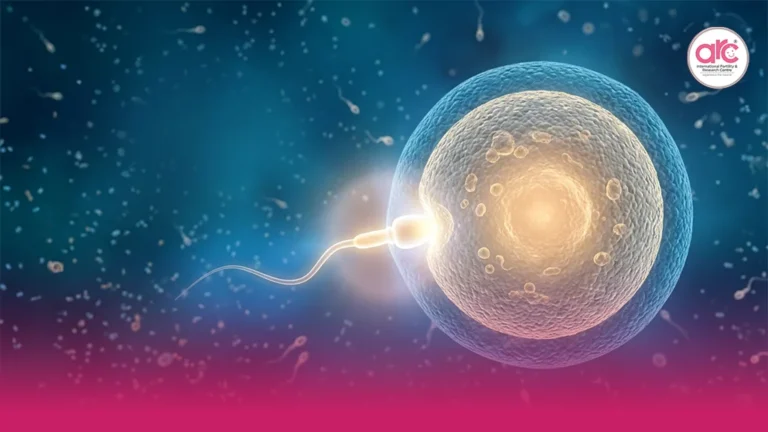
If you ovulated about a week earlier and had unprotected intercourse during your fertile window, implantation bleeding is one possibility. Implantation can happen when a fertilised embryo attaches to the uterine lining, usually around 6 to 12 days after ovulation. This timing can overlap with the week before your period.
Implantation spotting is usually light, short, and not as heavy as a period. It may be pinkish or brown. Some women also feel mild cramping, breast tenderness, tiredness, or a change in discharge. But symptoms alone cannot confirm pregnancy. The most reliable next step is to wait until your period is due and take a home pregnancy test, preferably with first-morning urine.
It is also important not to assume every pre-period spotting episode means pregnancy. Hormonal changes, stress, infections, or uterine conditions can look similar. If you are worried about what bleeding may mean in early pregnancy, this guide on early pregnancy bleeding may help you understand when bleeding is common and when it needs urgent care.
Hormonal Changes and Low Progesterone
A common reason for spotting a week before the period is a shift in hormones during the luteal phase, which is the second half of the menstrual cycle after ovulation. Progesterone helps keep the uterine lining stable. If progesterone drops earlier than expected, the lining may begin to shed slightly before the actual period starts.
This can happen occasionally due to stress, sleep disruption, illness, weight changes, intense exercise, or travel. But if it happens regularly, especially with short cycles or difficulty conceiving, a fertility specialist may evaluate ovulation quality, progesterone levels, thyroid function, and ovarian reserve.
For women trying to get pregnant, the luteal phase matters because the uterine lining must be receptive at the right time. Spotting does not automatically mean infertility, but recurring spotting before periods can be a clue that the cycle needs closer assessment.
Ovulation Timing May Be Different Than You Think
Many women estimate ovulation based on a 28-day cycle, but real cycles are often more varied. If you ovulated later than usual, spotting one week before your expected period may not match the usual pattern. If you ovulated earlier, what looks like pre-period spotting may actually be closer to the expected period window.
Cycle tracking can help. Note the first day of bleeding, spotting days, cervical mucus changes, ovulation predictor kit results, and any pain or discharge. After two or three cycles, patterns become easier to interpret. This information is also useful when you consult a fertility doctor.
Other Possible Causes of Spotting Before Period
1. Cervical irritation
The cervix can bleed lightly after intercourse, a pelvic examination, or vigorous physical activity. This spotting is usually short-lived. However, if it happens repeatedly after intercourse, it should be checked to rule out infection, cervical polyps, or other cervical changes.
2. Vaginal or pelvic infection
Spotting with unusual discharge, itching, burning, bad odour, pelvic pain, or pain during sex may suggest infection. Untreated infections can sometimes affect reproductive health, so it is better not to ignore these symptoms.
3. Fibroids or polyps
Uterine fibroids and endometrial polyps can cause spotting between periods, heavier periods, or bleeding after intercourse. Some polyps may interfere with implantation depending on their size and location. An ultrasound or hysteroscopy may be recommended if your doctor suspects a structural cause.
4. Thyroid imbalance or PCOS
Thyroid disorders and polycystic ovary syndrome can disturb ovulation and cycle regularity. Spotting may appear along with delayed periods, acne, weight changes, excess facial hair, fatigue, or irregular bleeding. Treatment depends on the underlying diagnosis, not just the spotting itself.
5. Birth control or emergency contraception
Hormonal pills, intrauterine devices, emergency contraception, or missed contraceptive pills can cause unscheduled spotting. If you recently started, stopped, or changed contraception, your cycle may take time to settle.
When Should You Take a Pregnancy Test?
If pregnancy is possible, test on the day your period is due or a few days after. Testing too early can give a false negative because pregnancy hormone levels may still be low. If the test is negative but your period does not arrive, repeat the test after 48 hours.
Seek urgent medical care if spotting is accompanied by severe one-sided pelvic pain, shoulder-tip pain, fainting, dizziness, or heavy bleeding after a positive pregnancy test. These symptoms need immediate evaluation because they may suggest ectopic pregnancy or another urgent condition.
Does Spotting Mean IVF or IUI Is Needed?
Spotting alone does not mean you need fertility treatment. Doctors usually look at the full picture: your age, how long you have been trying, cycle regularity, ovulation, semen analysis, tubal status, ultrasound findings, and hormone levels.
IUI may be considered when ovulation is happening and tubes are open, especially in mild male factor infertility or unexplained infertility. IVF may be discussed if there are blocked tubes, severe male factor infertility, advanced age, low ovarian reserve, endometriosis, repeated IUI failure, or a longer duration of infertility. The goal is not to jump to treatment quickly, but to choose the option that fits the diagnosis.
If implantation is your main concern, it is natural to question daily habits too. For example, many women ask whether caffeine matters during the two-week wait; this article on coffee and implantation explains the concern in a practical way.
What Tests May a Doctor Suggest?
A fertility or gynaecology consultation may include a detailed cycle history, pelvic examination, pregnancy test, ultrasound scan, thyroid profile, prolactin level, progesterone testing, ovarian reserve tests, infection screening, or cervical evaluation. If bleeding is persistent, your doctor may suggest further assessment of the uterine cavity.
Cost concerns are understandable. In many cases, evaluation begins with basic tests before advanced investigations are considered. The exact cost depends on the tests needed and whether treatment is required. A good clinic will explain why each test is recommended instead of asking you to do everything at once.
When Should You Consult a Fertility Specialist?
Book a consultation if spotting happens for more than two or three cycles, bleeding occurs after sex, periods become very heavy or painful, cycles are very short or irregular, you are over 35 and trying to conceive, or you have been trying for 12 months without pregnancy if under 35. If you are 35 or older, it is better to seek help after six months of trying.
At ARC Fertility Hospitals, the approach is to understand the reason behind the symptom before recommending treatment. If you are looking for the Best Fertility Hospital in Chennai, it helps to choose a centre that explains your cycle, evaluates both partners, and gives realistic guidance. A trusted Fertility Hospital in Chennai should support you with clarity, not pressure.
Final Thoughts
Spotting a week before your period may be due to implantation, hormone changes, cervical irritation, infection, polyps, thyroid issues, PCOS, or contraceptive effects. One isolated episode is often not dangerous. But if it keeps happening, affects your ability to conceive, or comes with pain or unusual discharge, it deserves proper evaluation.
Your body may be giving you useful information, not necessarily bad news. Track your symptoms, test for pregnancy at the right time, and speak to a fertility specialist if the pattern continues. The earlier the reason is understood, the easier it is to choose the right next step.