Can You Get Pregnant on the Last Day of Your Period?
Yes, it is possible to get pregnant on the last day of your period, but the chance depends on your cycle length, ovulation timing, sperm survival, and whether your bleeding is truly menstrual bleeding. For many women with regular 28-day cycles, the likelihood is low. But for women with shorter cycles, irregular ovulation, or bleeding that is mistaken for a period, pregnancy can happen.
This question often comes with anxiety. Some women ask it after unprotected sex. Others ask because they are trying to conceive and do not want to miss any opportunity. The honest answer is not a simple yes or no. It is about understanding how your fertile window works.
Why Pregnancy Can Happen Near the End of a Period
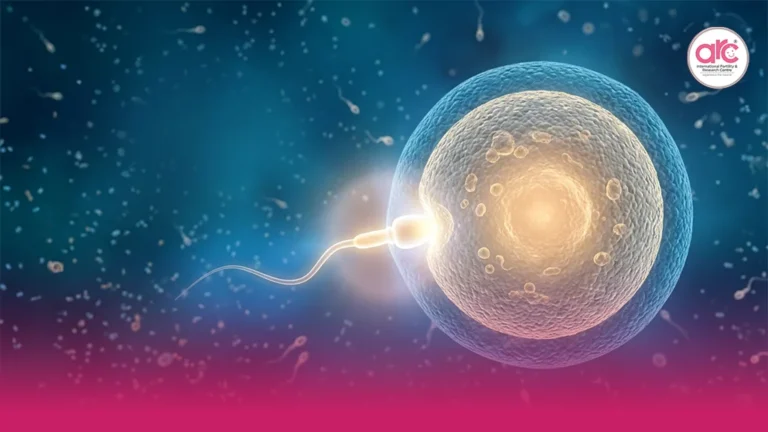
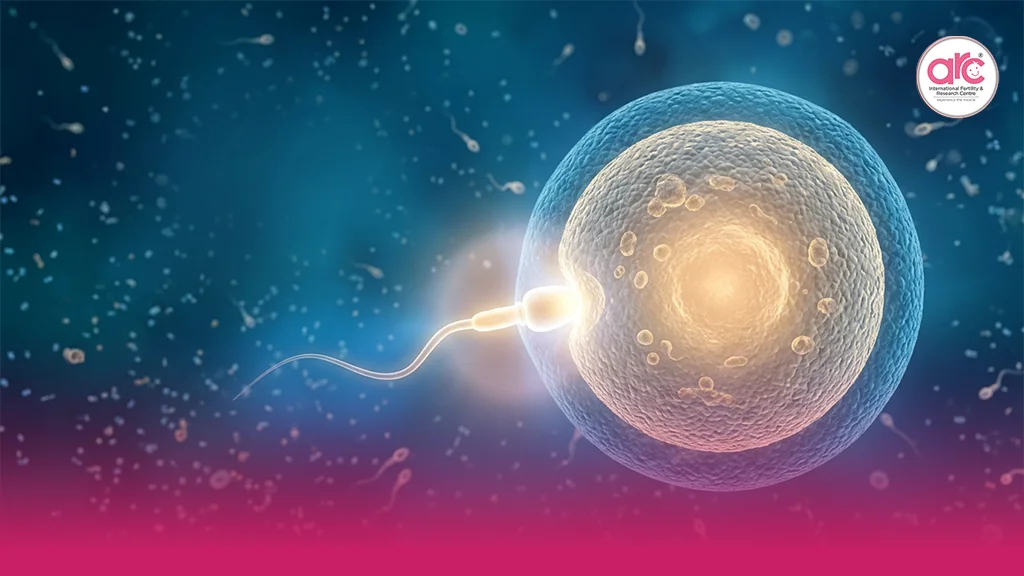
Pregnancy happens when sperm fertilises an egg after ovulation. Ovulation is the release of an egg from the ovary, usually around the middle of the menstrual cycle. However, sperm can survive inside the female reproductive tract for up to five days in favorable conditions. This means sex before ovulation can still lead to pregnancy if ovulation happens soon after.
For example, if your period lasts six or seven days and you ovulate early, sperm from sex on the last day of bleeding may still be alive when the egg is released. This is more likely in women with shorter cycles, such as 21 to 24 days, where ovulation may happen much earlier than expected.
Understanding the Fertile Window
The fertile window is usually the five days before ovulation and the day of ovulation itself. These are the days when pregnancy is most likely. In a textbook 28-day cycle, ovulation may happen around day 14, so the fertile window may begin around day 9. If your period ends on day 5 or 6, pregnancy risk is usually lower but not impossible.
But menstrual cycles do not always behave like textbook examples. Stress, weight changes, thyroid problems, polycystic ovary syndrome, breastfeeding, travel, illness, and hormonal imbalance can all shift ovulation. This is why calendar-based assumptions can sometimes fail, especially for women with unpredictable cycles.
When Is the Risk Higher?
The chance of getting pregnant on the last day of your period may be higher if you have a short menstrual cycle, your bleeding lasts longer than usual, you ovulate early, your cycles are irregular, or you confuse spotting with a period. It may also be higher if you are not using reliable contraception and have had unprotected intercourse.
Another common situation is mid-cycle spotting. Some women experience light bleeding around ovulation, implantation, or due to hormonal changes. If this bleeding is mistaken for a period, sex during that time may actually happen close to ovulation, when pregnancy chances are higher.
How Much Should You Worry After Unprotected Sex?
If you had unprotected sex on the last day of your period and do not want pregnancy, it is reasonable to speak to a doctor or pharmacist quickly about emergency contraception. The timing matters. Some options work best when taken as early as possible after intercourse.
If you are unsure whether you could be pregnant, wait until your next expected period. A home pregnancy test is usually more reliable after a missed period. Testing too early can create confusion because pregnancy hormone levels may not be high enough yet. If your period is late, unusually light, or you have symptoms such as nausea, breast tenderness, fatigue, or cramping, testing is sensible.
If You Are Trying to Conceive
If you are trying for pregnancy, having sex only on the last day of your period may not be the best strategy unless you have very short cycles. A more practical approach is to track ovulation and have intercourse during the fertile window. This may include monitoring cervical mucus, using ovulation predictor kits, tracking cycle patterns, or discussing follicular monitoring with a fertility specialist if cycles are irregular.
Couples often assume they need to have intercourse every day, but that can create pressure. For many couples, intercourse every one to two days during the fertile window is enough. What matters more is identifying when that window actually occurs for you.
Short Cycles and Early Ovulation
Short cycles deserve special attention. If your cycle is 21 days, ovulation may occur around day 7 or 8. If your bleeding lasts until day 5 or 6, sex on the last day of your period may be very close to ovulation. In this case, pregnancy is biologically possible.
On the other hand, if your cycle is usually 30 to 35 days, ovulation is likely later, so pregnancy from sex on the last day of bleeding is less likely. Still, cycle variation can happen occasionally. One unusual cycle is enough to change the risk.
What If Your Periods Are Irregular?
Irregular periods make prediction difficult. You may ovulate earlier, later, or sometimes not at all. Conditions such as PCOS, thyroid imbalance, high prolactin levels, low ovarian reserve, or significant weight changes can affect cycle timing. If your cycles are frequently shorter than 21 days, longer than 35 days, or unpredictable, it is worth getting evaluated rather than guessing month after month.
At ARC Fertility Hospitals, doctors look beyond dates on a calendar. They may assess ovulation, ovarian reserve, hormone levels, ultrasound findings, semen parameters, and overall reproductive health. For women looking for the best fertility hospital in Chennai, the value lies in personalized diagnosis rather than one-size-fits-all advice.
When Should You See a Fertility Specialist?
If you are under 35 and have been trying to conceive for 12 months without success, or over 35 and trying for six months, a fertility consultation is recommended. You should seek help earlier if you have irregular periods, known PCOS, endometriosis, a previous pelvic infection, or repeated miscarriages or your partner has known sperm health concerns.
If you are unsure about timing, this guide on how long to try before seeking fertility treatment can help you understand when waiting is reasonable and when evaluation may save valuable time.
How Doctors Evaluate Fertility Timing
A fertility doctor may ask about cycle length, bleeding pattern, pain, previous pregnancies, contraception use, medical history, and how often you have intercourse. Tests may include ultrasound monitoring, hormone evaluation, ovulation confirmation, ovarian reserve testing, and semen analysis for the male partner. This is important because pregnancy depends on both egg and sperm health, not just timing.
If ovulation is not happening regularly, treatment may begin with lifestyle guidance, correcting hormonal issues, or ovulation induction. If there are additional factors such as blocked tubes, severe male infertility, advanced age, or long-standing infertility, options such as IUI or IVF may be discussed. A trusted fertility hospital in Chennai will explain why a treatment is suggested, not simply rush you into it.
Key Takeaway
So, can you get pregnant on the last day of your period? Yes, it is possible, especially if you have a short cycle, long bleeding days, early ovulation, irregular periods, or bleeding that is not a true period. For women with regular longer cycles, the chance is usually lower, but it is not zero.
If you are avoiding pregnancy, use reliable contraception rather than depending on period timing. If you are trying to conceive, focus on understanding your fertile window instead of relying only on cycle averages. And if your cycles are irregular or pregnancy is taking longer than expected, a fertility evaluation can bring clarity, reassurance, and a more informed path forward.