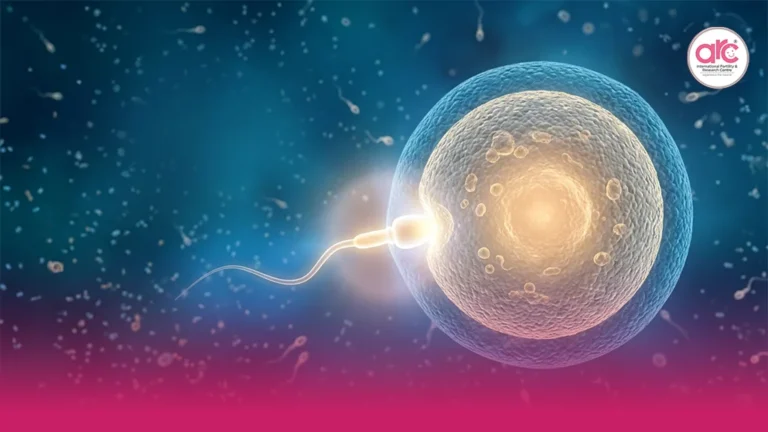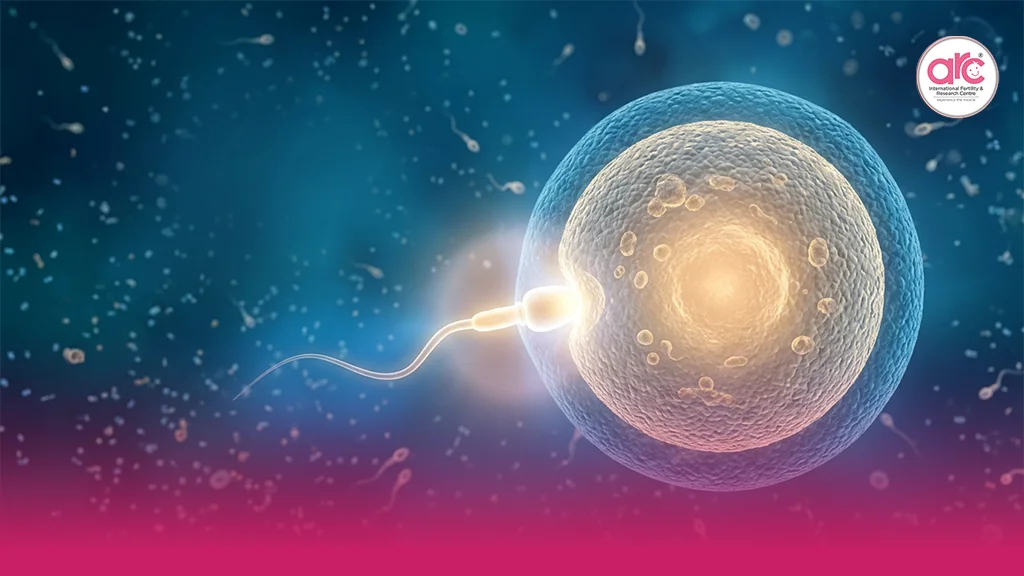
Intermittent fasting and fertility are increasingly discussed by women trying to conceive, especially those wondering whether fasting can affect ovulation, egg quality, or their chances of pregnancy. Intermittent fasting has become popular among women who want better energy, weight control, insulin balance, or a simpler eating routine. But if you are trying to conceive, a different question naturally comes up: does intermittent fasting harm egg quality or ovulation?
The honest answer is: it depends on how your body responds. A gentle eating window may not harm fertility in some women. But strict fasting, under-eating, rapid weight loss, low body fat, heavy exercise, or high stress can disturb the hormonal signals needed for ovulation. Fertility is not only about what you eat; it is also about whether your brain, ovaries, thyroid, metabolism, and uterus are receiving the message that your body has enough energy to support pregnancy.
At ARC Fertility Hospitals, women often ask this question with a little guilt. They may have started fasting to become healthier, but then notice delayed periods, lighter bleeding, mood changes, or anxiety around ovulation. The goal is not to label fasting as good or bad. The goal is to understand when it supports health and when it starts working against reproductive balance.
How Ovulation Depends on Energy Availability
Ovulation is controlled through a delicate communication pathway between the brain and ovaries. The hypothalamus releases signals that influence the pituitary gland, which then releases FSH and LH. These hormones help follicles grow and trigger ovulation.
When the body senses a significant calorie shortage, this communication can slow down. It is a protective mechanism. If your body feels there is not enough energy coming in regularly, it may reduce reproductive hormone activity. This can lead to delayed ovulation, missed ovulation, shorter luteal phases, or irregular cycles.
This is why two women can follow the same fasting routine and have different outcomes. One woman may feel fine with a 12-hour overnight fast. Another may develop 40-day cycles after skipping breakfast and exercising intensely. Fertility care has to be individual, not trend-based.
Can Intermittent Fasting Affect Egg Quality?
Egg quality is influenced by age first, but also by metabolic health, inflammation, oxidative stress, sleep, thyroid balance, insulin resistance, smoking, alcohol intake, and nutritional status. Intermittent fasting does not directly damage eggs in a simple, instant way. But if fasting causes nutritional gaps or hormonal disruption, it may indirectly affect the environment in which eggs mature.
Egg development takes time. The follicles that may respond in a given cycle have been developing for months. During this window, the body needs adequate protein, healthy fats, micronutrients, stable blood sugar, and enough total calories. If fasting becomes extreme and leads to low intake of iron, folate, vitamin D, B vitamins, omega-3 fats, zinc, or antioxidants, it can reduce the body’s readiness for conception.
For women with insulin resistance or PCOS, a structured eating pattern may sometimes improve metabolic markers. But even in PCOS, fasting should not mean starving. The aim should be stable nutrition, better insulin response, and regular ovulation, not aggressive weight loss that creates stress hormones and cycle disruption.
Signs Your Fasting Routine May Be Affecting Ovulation
Your body usually gives clues before fertility is seriously affected. Watch for cycle changes after starting fasting, especially if they continue for more than one or two cycles.
Possible warning signs include periods becoming irregular, ovulation happening much later than usual, very light bleeding, skipped periods, increased hair fall, feeling cold often, sleep disturbance, irritability, low libido, dizziness, or intense cravings after fasting windows. Some women also notice that ovulation predictor kits remain negative or show confusing results.
If you are unsure whether you are ovulating, it may help to understand the common signs of anovulatory cycles. Not every irregular cycle means infertility, but repeated anovulation deserves proper evaluation.
What Type of Fasting Is Usually Less Risky?
For women trying to conceive, gentler fasting is usually safer than aggressive fasting. A natural overnight gap of 12 hours, such as finishing dinner by 8 pm and eating breakfast around 8 am, is generally different from a 16:8, 18:6, alternate-day fasting, or one-meal-a-day pattern.
The longer and stricter the fasting window, the more important it becomes to check whether you are still eating enough. Many fertility problems linked with fasting are not caused by the fasting window alone, but by the total drop in calories, protein, and nutrients.
A fertility-friendly approach should include regular meals during the eating window, enough protein, vegetables, whole grains or balanced carbohydrates, healthy fats, hydration, and prenatal nutrients if advised by your doctor. If fasting makes you skip nutritious meals and then overeat low-nutrient foods later, it is not helping fertility.
Intermittent Fasting, Weight, and Fertility
Weight can influence fertility, but the relationship is not as simple as “lose weight and fertility improves.” Women with higher body weight may benefit from modest, medically guided weight loss if insulin resistance or ovulation issues are present. But rapid weight loss can disrupt hormones and may delay conception.
Similarly, women with low body weight or low body fat are more vulnerable to ovulatory suppression. If fasting reduces body fat too much or combines with intense workouts, the brain may reduce reproductive signalling.
This is why fertility specialists look at the full picture: cycle pattern, age, AMH, thyroid, prolactin, ultrasound findings, metabolic markers, semen analysis of the male partner, and how long the couple has been trying. Lifestyle matters, but it should not delay diagnosis when medical evaluation is needed.
When Should You Stop Fasting While Trying to Conceive?
You should consider pausing or softening fasting if your periods become irregular, you stop detecting ovulation, you are underweight, you have a history of eating disorders, you are doing intense exercise, you are undergoing ovarian stimulation, or your doctor has advised timed medication or injections.
During fertility treatment, timing and nourishment matter. In ovulation induction, IUI, or IVF cycles, the ovaries are being medically supported to grow follicles. Your body needs steady nutrition to respond well and recover comfortably. Some women worry that eating more frequently will reduce their chances because of weight concerns, but treatment is not the right time for harsh dietary experiments.
If you are planning treatment, a consultation at a trusted centre such as Best Fertility Hospital in Chennai can help you understand whether your eating pattern is supporting or disturbing your fertility goals.
Does Fasting Change Your Chances with IUI or IVF?
Fasting alone usually does not decide whether IUI or IVF will succeed. Age, egg reserve, sperm quality, tubal health, uterine factors, embryo quality, and diagnosis are far more important. But nutrition can influence how your body handles treatment, medications, energy levels, and recovery.
For couples confused between IUI and IVF, the decision is rarely based on diet alone. IUI may be considered when tubes are open, ovulation can be timed, and semen parameters are suitable. IVF may be advised when there are blocked tubes, severe male factor infertility, low ovarian reserve, advanced age, repeated IUI failure, or conditions where embryo creation in the lab gives better control.
Cost concerns are understandable. Many couples try lifestyle changes first because treatment feels emotionally and financially heavy. That is reasonable if you are young, cycles are regular, and you have not been trying for long. But if you are over 35, have irregular cycles, known PCOS, endometriosis, fibroids, low AMH, or a male factor issue, delaying evaluation can sometimes cost more time than expected.
What Should Women Trying to Conceive Do Instead?
Think of fertility nutrition as consistency, not restriction. Try to eat in a way that keeps your cycles regular, energy stable, and stress manageable. If you prefer time-restricted eating, keep it moderate and avoid skipping essential nutrients. Track your cycle for two to three months. Note period dates, ovulation signs, cervical mucus, sleep, weight changes, and energy levels.
If you are timing intercourse, remember that the fertile window matters more than the clock time of the day. If you want practical clarity, this guide on the best time to try to conceive can help you plan without turning intimacy into pressure.
Most importantly, do not judge your body harshly. Fertility is emotionally loaded, and women often blame themselves for every diet choice, missed period, or negative test. A balanced medical review can separate lifestyle noise from real fertility signals.
When to Meet a Fertility Specialist
Meet a fertility specialist if you have been trying for 12 months under age 35, or 6 months if you are 35 or older. Seek help earlier if your cycles are irregular, periods are absent, you have known PCOS or endometriosis, you have had pelvic infections or surgeries, or your partner has a known semen concern.
At ARC Fertility Hospitals, evaluation is usually step-by-step. Doctors may assess ovulation, ovarian reserve, thyroid and prolactin levels, ultrasound findings, fallopian tube status, and semen quality. This helps avoid guessing. If fasting is affecting ovulation, the plan may be simple lifestyle correction. If another cause is present, treatment can be directed appropriately.
A centre like Fertility Hospital in Chennai can guide you through diagnosis, treatment choices, timelines, and realistic expectations without promising guaranteed pregnancy. That honesty matters, because fertility care should reduce confusion, not add fear.
The Bottom Line
The American Society for Reproductive Medicine (ASRM) also recommends focusing on overall health, maintaining a healthy weight, and following evidence-based lifestyle habits while trying to conceive rather than relying on a single diet or nutrition trend.
Intermittent fasting does not automatically harm egg quality or ovulation. But strict fasting, low calorie intake, rapid weight loss, nutritional deficiencies, and high physical or emotional stress can disturb ovulation and may indirectly affect the environment needed for healthy egg development.
If your cycles remain regular, your nutrition is complete, and you feel well, a gentle eating window may be acceptable. If your periods change, ovulation becomes unpredictable, or you are entering fertility treatment, it is safer to discuss your routine with a fertility specialist. The best fertility plan is not the strictest one; it is the one your body can sustain while preparing for pregnancy.