Starting a family is one of life’s biggest decisions, and for many couples, one question often comes first: What is the best age to get pregnant?
The answer isn’t the same for everyone. Careers, finances, relationships, and personal goals all influence when people feel ready for parenthood. However, biology follows its own timeline. Understanding how fertility changes with age can help you make informed choices rather than relying on myths or waiting until concerns arise.
Whether you’re planning to conceive soon or simply thinking about your future, these seven fertility facts can help you understand your reproductive health better.
1. Your 20s Are Biologically the Best Age to Get Pregnant
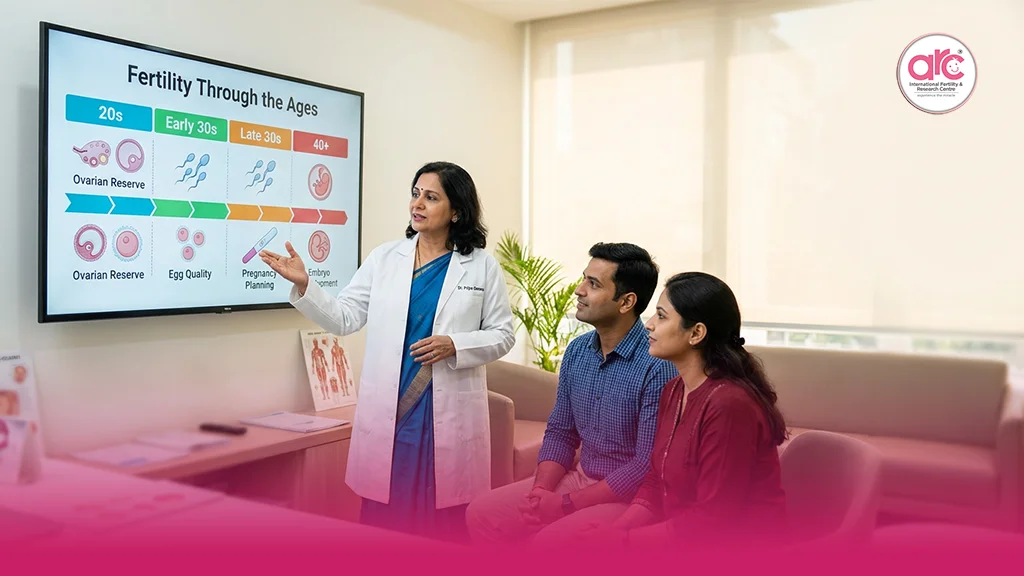
From a medical perspective, a woman’s fertility is highest during her 20s. Egg quantity and quality are at their peak, giving couples the highest chance of natural conception each month while reducing the risk of pregnancy complications.
That doesn’t mean everyone should have children during this stage of life. Many couples choose to wait for personal or professional reasons. The important takeaway is understanding how fertility naturally changes over time so you can plan with confidence rather than uncertainty.
2. Fertility Begins to Decline After Age 30
Many women conceive naturally throughout their early 30s. In fact, countless healthy pregnancies occur during this period.
However, fertility gradually begins to decline after 30 as both the number and quality of eggs decrease. While this decline is gradual at first, it means conception may take longer than it would have a few years earlier.
If you’re planning to delay pregnancy, it can be reassuring to discuss your reproductive health with a fertility specialist. A simple fertility assessment can provide valuable information about your ovarian reserve and help you make informed decisions for the future.
3. After 35, Time Becomes More Important
Age 35 is considered an important milestone in reproductive medicine because fertility starts declining more rapidly.
Women over 35 may experience:
- Reduced egg quality
- Lower monthly chances of conception
- Increased risk of miscarriage
- Higher risk of chromosomal abnormalities
Many women still enjoy healthy pregnancies after 35, but early medical guidance becomes increasingly important.
If you’ve been trying to conceive for six months without success after the age of 35, don’t wait longer. Consulting a fertility specialist early often improves the chances of finding the underlying cause and choosing the right treatment.
To understand when it’s the right time to seek medical help, read How Many Months Should You Try Before Fertility Treatment?
4. Male Fertility Changes With Age Too
Fertility isn’t only about women.
As men age, sperm count, motility, and DNA quality may gradually decline. Lifestyle habits such as smoking, obesity, poor sleep, excessive alcohol consumption, unmanaged stress, and certain medical conditions can further affect sperm health.
The good news is that many of these factors are manageable. Healthy lifestyle changes, proper nutrition, and timely evaluation can significantly improve male fertility.
If you’re looking to improve sperm health naturally, read How to Make Sperm Stronger for Pregnancy
5. Age Isn’t the Only Cause of Infertility
Although age is an important factor, it isn’t the only reason couples experience difficulty conceiving.
Common fertility conditions include:
- Polycystic Ovary Syndrome (PCOS)
- Endometriosis
- Blocked fallopian tubes
- Thyroid disorders
- Hormonal imbalance
- Low sperm count
- Unexplained infertility
Some couples in their twenties may struggle to conceive, while others in their late thirties may become pregnant naturally. Every fertility journey is unique, which is why a personalized evaluation is far more valuable than relying on age alone.
If you’ve been trying without success, visiting a trusted best fertility hospital in Chennai can help identify the underlying cause early and reduce unnecessary delays in treatment.
6. Fertility Treatments Can Help But Earlier Is Often Better
Modern fertility treatments have helped millions of couples achieve parenthood. Treatments such as ovulation induction, IUI, and IVF offer hope for many fertility challenges.
However, one common misconception is that IVF can completely overcome age-related fertility decline.
While IVF significantly improves pregnancy chances for many couples, success still depends largely on egg quality, which naturally decreases with age.
At ARC Fertility Hospitals, every couple receives an individualized treatment plan based on age, ovarian reserve, medical history, and fertility goals. Rather than recommending IVF for everyone, specialists focus on identifying the most appropriate treatment pathway.
As a trusted fertility hospital in Chennai, ARC Fertility Hospitals combines advanced reproductive technology with compassionate care, helping couples make confident decisions at every stage of their fertility journey.
7. Planning Early Gives You More Options
Perhaps the biggest advantage isn’t getting pregnant at a specific age; it’s understanding your fertility before problems arise.
Early fertility planning allows couples to:
- Assess ovarian reserve
- Identify hidden fertility conditions
- Improve lifestyle factors affecting fertility
- Consider fertility preservation when appropriate
- Seek treatment before age becomes a significant challenge
Being proactive doesn’t mean you’re expecting problems. It simply gives you more choices and greater peace of mind.
The Bottom Line
The best age to get pregnant is generally during your 20s and early 30s from a biological perspective, but every couple’s journey is different. Many people conceive naturally after 35, while others may require fertility support at a much younger age.
Instead of focusing only on age, focus on understanding your reproductive health.
If you’ve been trying to conceive without success, have irregular periods, or simply want to understand your fertility better, consulting an experienced fertility specialist can make all the difference.
At ARC Fertility Hospitals, offering advanced reproductive care, couples receive evidence-based treatment, personalized guidance, and compassionate support throughout their parenthood journey. Whether you need fertility testing, IUI, or IVF treatment, the goal is always the same to help you achieve a healthy pregnancy with the care that’s right for you.
Frequently Asked Questions
What is the best age to get pregnant?
Biologically, the best age to get pregnant is between 20 and 30 years, when fertility and egg quality are at their highest.
Can I get pregnant naturally after 35?
Yes. Many women conceive naturally after 35, although fertility gradually declines and pregnancy may take longer.
Does male age affect fertility?
Yes. Male fertility can decline with age due to reduced sperm quality, motility, and DNA integrity.
When should I visit a fertility hospital?
Couples under 35 should seek help after trying for one year without pregnancy. Women aged 35 or above should consult a fertility specialist after six months of trying.
Can IVF overcome age-related infertility?
IVF significantly improves pregnancy chances for many couples, but success rates still depend on factors such as age, egg quality, and overall reproductive health.