Can you feel implantation happening?
If you are trying to conceive, the days after ovulation can feel unusually long. Every mild cramp, twinge, temperature change, or small spot of blood may make you wonder: Can you feel implantation happening? The honest answer is: some women notice sensations around the time implantation may occur, but implantation itself is usually too tiny and internal to be clearly felt as a definite event.
That does not mean your observations are meaningless. Your body can show subtle changes in the luteal phase, early pregnancy, or even before your period. The challenge is that implantation symptoms, premenstrual symptoms, and fertility medication effects can overlap closely. Understanding the timing and pattern can help you stay informed without becoming trapped in daily symptom checking.
What is implantation?
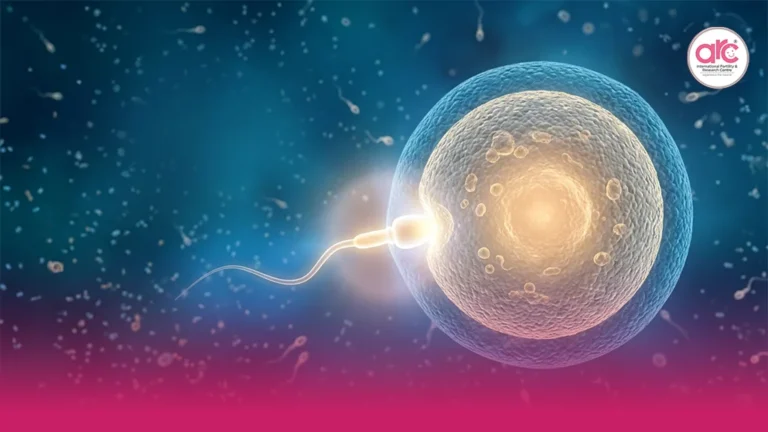
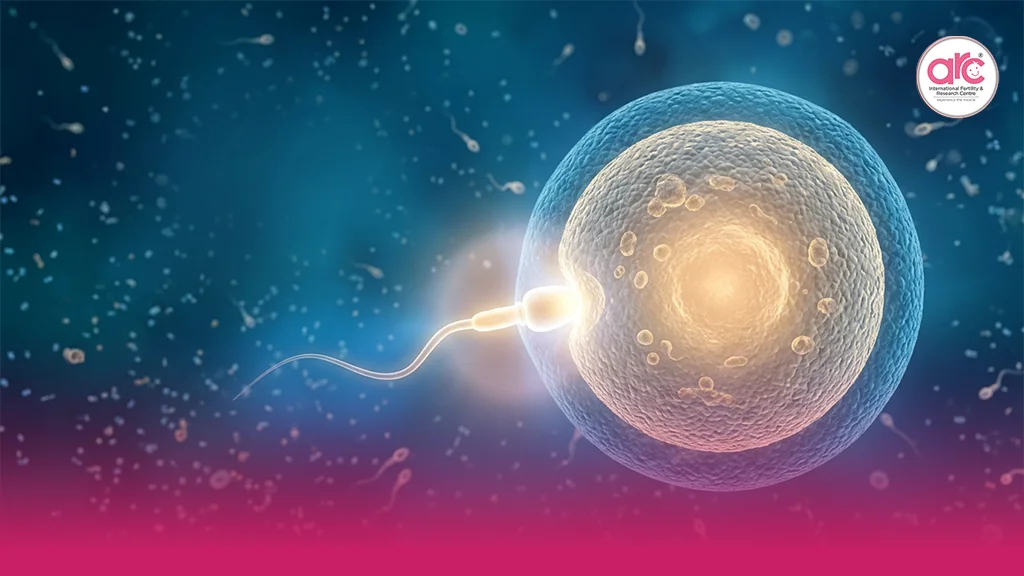
Implantation is the process where a fertilised egg, now developed into a blastocyst, attaches itself to the lining of the uterus. This usually happens about 6 to 10 days after ovulation, though the exact timing can vary. Once implantation begins, the body starts producing human chorionic gonadotropin, commonly called hCG, which is the hormone detected by pregnancy tests.
Because implantation happens at a microscopic level, it does not usually create a strong physical sensation. The uterus is not being stretched dramatically at this stage. Instead, any symptoms you notice may come from hormonal shifts, increased blood flow to the uterus, or normal changes that happen after ovulation.
What might implantation feel like?
Some women describe possible implantation sensations as mild pulling, pricking, dull cramps, or a brief heaviness in the lower abdomen. These feelings are usually gentle, short-lived, and not severe. They may occur on one side or across the lower pelvis. However, these sensations are not reliable proof of pregnancy.
Progesterone rises after ovulation whether or not conception has happened. Progesterone can cause bloating, breast tenderness, mood changes, constipation, fatigue, and mild pelvic discomfort. This is why many early pregnancy signs feel almost identical to symptoms before a period.
Implantation spotting: what is normal?
Light spotting can happen around the possible implantation window, but it is not experienced by everyone. When it occurs, it is usually very light, pinkish or brownish, and lasts from a few hours to one or two days. It should not be heavy like a period.
Spotting a week before your period can also happen due to hormonal fluctuation, ovulation timing changes, cervical irritation, low progesterone, or the beginning of menstruation. If you often notice early spotting, it may help to understand the possible reasons behind spotting before your period is due, especially when you are actively trying to conceive.
How is implantation different from period cramps?
Implantation-related cramps, when noticed, are usually milder than period cramps. They may feel brief and do not usually build in intensity. Period cramps often become stronger as bleeding starts and may be accompanied by a heavier flow, backache, and familiar menstrual discomfort.
Still, it is not always possible to separate them by sensation alone. A woman may have mild cramps and later get her period. Another may have similar cramps and later test positive. This uncertainty can be emotionally difficult, especially after months of trying or during fertility treatment. The safest interpretation is to treat symptoms as clues, not confirmation.
When should you take a pregnancy test?
The most reliable time to test is after a missed period. If you test too early, hCG may not be high enough to detect, even if implantation has occurred. For many women, testing about 12 to 14 days after ovulation gives a clearer result. In IVF cycles, your fertility team will usually schedule a blood beta-hCG test at the right time and may advise you not to test at home too early because trigger injections and early testing can create confusion.
A negative test before your missed period does not always mean you are not pregnant. If your period does not arrive, repeat the test after 48 hours or speak with your doctor. hCG usually rises over time in early pregnancy, and blood tests can provide more precise information than home urine tests.
Can tracking basal body temperature confirm implantation?
Basal body temperature, or BBT, can show that ovulation has likely happened, but it cannot confirm implantation with certainty. Some women notice a small dip in temperature around the implantation window, often called an implantation dip, but this is not a dependable sign. Temperature can shift because of sleep, stress, illness, alcohol, travel, or measurement timing.
If you are charting your cycle, BBT may be useful as one part of the bigger picture. For deeper clarity, you can learn how basal body temperature after ovulation behaves and why it should not be used alone to diagnose pregnancy.
What if you feel nothing at all?
Feeling nothing does not mean implantation has failed. Many women who become pregnant have no noticeable symptoms during implantation. Some only realise they are pregnant after a missed period. Others may feel symptoms because they are carefully monitoring their body, not because the symptoms are stronger or more meaningful.
This is important emotionally. Trying to conceive can make you feel responsible for noticing every sign. But pregnancy is not dependent on whether you felt implantation. A healthy implantation process can happen silently.
When should you speak to a fertility specialist?
You should seek medical advice if you have severe pelvic pain, heavy bleeding, dizziness, shoulder pain, fever, or one-sided pain that worsens. These symptoms need prompt evaluation and should not be dismissed as implantation. Also consider consulting a fertility specialist if you are under 35 and have been trying for 12 months, over 35 and trying for 6 months, or if you have irregular periods, known PCOS, endometriosis, previous miscarriages, blocked tubes, or male-factor concerns.
At ARC Fertility Hospitals, doctors look beyond symptoms alone. Evaluation may include ovulation tracking, ultrasound, hormone tests, semen analysis, tubal assessment, and review of cycle history. This helps identify whether natural conception support, ovulation induction, IUI, IVF, or another approach is more suitable. IVF is not the first answer for everyone; treatment depends on age, diagnosis, duration of infertility, ovarian reserve, sperm parameters, and previous treatment outcomes.
IUI, IVF, and the two-week wait
Whether you are trying naturally, after IUI, or after embryo transfer in IVF, the waiting period can feel emotionally intense. Mild cramps after IUI may be due to ovulation, the procedure, progesterone, or early pregnancy. After IVF, cramps or spotting can happen because of embryo transfer, vaginal progesterone, cervical sensitivity, or implantation. Symptoms alone cannot confirm success.
This is why fertility teams focus on timed testing rather than symptom interpretation. It protects patients from false hope and unnecessary panic. If you are worried about cost, duration, or whether IVF is necessary, a consultation can help you understand options step by step instead of assuming the most advanced treatment is always required.
How ARC supports patients through uncertainty
One of the hardest parts of fertility care is not just the treatment; it is the uncertainty between appointments, tests, and results. A patient may want a clear answer from her body, but the body often speaks softly and confusingly in early pregnancy. Compassionate fertility care means explaining what symptoms can and cannot tell you.
If you are looking for the Best Fertility Hospital in Chennai, ARC Fertility Hospitals offers evaluation and treatment planning with a focus on medical clarity and emotional reassurance. For couples comparing options, consulting a Fertility Hospital in Chennai can help separate normal cycle changes from concerns that need investigation.
Final thoughts
So, can you feel implantation happening? You may feel mild cramps, pulling, or notice light spotting around the time implantation could occur, but these signs are not reliable proof. Many women feel nothing at all and still become pregnant. The best next step is to wait until the right testing window, avoid over-reading every symptom, and seek medical guidance if symptoms are severe, cycles are irregular, or conception is taking longer than expected.
Your body deserves attention, but it should not have to be decoded alone. With the right fertility evaluation and calm guidance, the two-week wait can become a little less confusing and a lot less lonely.