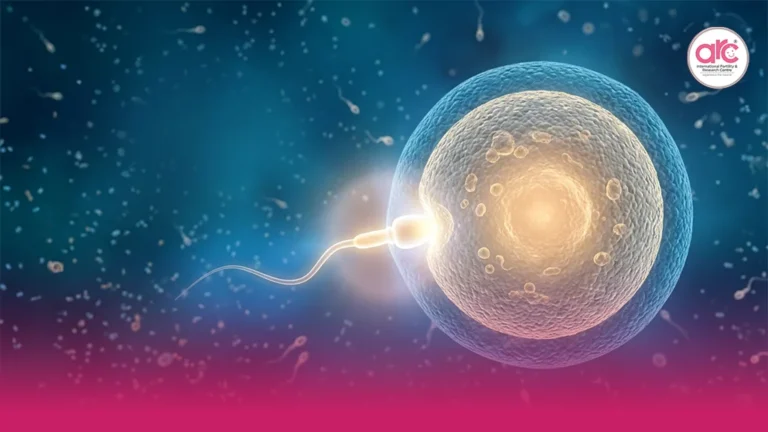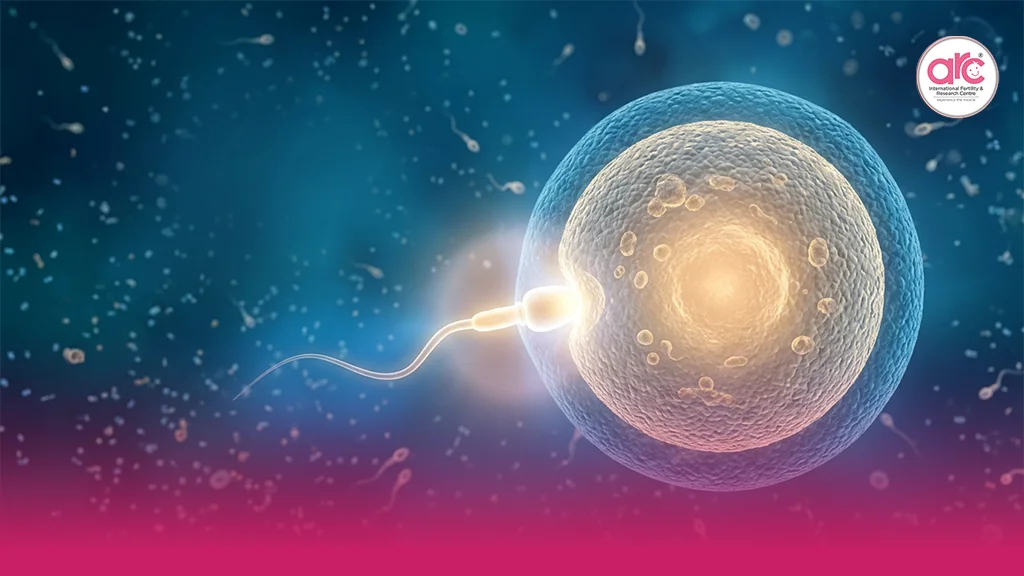
Hearing that an embryo is growing slowly can make an already emotional IVF journey feel even more uncertain. Many women immediately wonder: Can slow-growing embryos still implant? The honest answer is yes, they can in some cases, but the likelihood depends on why the embryo is slow, how far it continues to develop, its quality, chromosomal health, and the readiness of the uterus.
Embryo growth is not always perfectly textbook. Some embryos reach blastocyst stage on day 5, while others take until day 6 or occasionally day 7. A slower timeline does not automatically mean the embryo has no potential. At the same time, fertility specialists pay close attention to delayed development because it can sometimes reflect lower embryo competence. The key is understanding the difference between slower growth and poor developmental potential.
What Does a Slow-Growing Embryo Mean?
After fertilisation, embryos are observed as they divide from one cell into multiple cells and, ideally, progress toward the blastocyst stage. In many IVF labs, embryos are assessed on day 3, day 5, and sometimes day 6 or day 7. A slow-growing embryo may divide more gradually than expected or may take longer to become a blastocyst.
For example, an embryo that has not become a blastocyst by day 5 may still become a usable blastocyst on day 6. This is one reason many IVF laboratories continue culturing embryos beyond day 5 instead of making a final judgement too early. A day 6 blastocyst may still be considered for freezing, genetic testing, or transfer if its quality is acceptable.
The concern arises when the embryo shows poor cell division, fragmentation, abnormal appearance, or failure to progress even with extra time. In that situation, the issue may not be speed alone, but overall embryo viability.
Can Slow-Growing Embryos Still Implant?
Yes, slow-growing embryos can still implant, especially if they eventually reach a good-quality blastocyst stage. Many pregnancies have occurred from day 6 blastocysts. However, on average, embryos that become high-quality blastocysts earlier may have better implantation potential than those that take longer. This is a general pattern, not a rule for every woman or every embryo.
Implantation is not decided by embryo timing alone. A slower embryo that is chromosomally normal and transferred into a receptive uterus may have a real chance. On the other hand, a fast-growing embryo with chromosomal abnormalities may not implant or may miscarry. This is why fertility doctors avoid judging embryos by speed alone.
For a woman waiting for results, this uncertainty can feel exhausting. It is natural to search for reassurance. The most useful reassurance is not a guarantee, but a clearer explanation: slow growth lowers concern in some cases and raises concern in others. Your embryology report, age, ovarian response, sperm factors, previous IVF history, and uterine evaluation all help your doctor interpret what the slow growth actually means.
Why Do Some Embryos Grow Slowly?
Embryos may grow slowly for several reasons. Sometimes it reflects normal biological variation. Not every embryo follows the same timing, even among embryos created in the same IVF cycle. Other times, delayed development can be linked to egg quality, sperm quality, chromosomal errors, metabolic stress within the embryo, or lab observations such as fragmentation.
Age is an important factor because egg quality and chromosomal normality generally decline as women get older. This does not mean a woman of advanced reproductive age cannot have a healthy embryo, but it does mean doctors may look more carefully at embryo progression and may discuss options such as blastocyst culture or preimplantation genetic testing in selected cases.
Sperm health also matters. Embryo development is often discussed as if it depends only on the egg, but sperm contributes genetic material and may influence later embryo development. If there is a history of male reproductive trauma, surgery, infection, or unexplained semen changes, it may be worth discussing male-factor evaluation, including concerns such as older male reproductive injuries and fertility.
Day 5, Day 6, and Day 7 Embryos: What Is the Difference?
A day 5 blastocyst reaches the blastocyst stage around the expected time. A day 6 blastocyst takes one extra day. A day 7 blastocyst takes even longer and may be used selectively depending on clinic protocols, embryo quality, and patient circumstances.
Day 6 embryos are commonly seen in IVF practice and may still be suitable for transfer or freezing. The important question is not simply whether the embryo is day 5 or day 6, but whether it has formed a healthy-looking blastocyst with a clear inner cell mass and trophectoderm. These are the parts that later contribute to the baby and placenta.
Embryo grading gives additional information, but grading is not destiny. A beautifully graded embryo may fail to implant, while a moderate-grade embryo may lead to pregnancy. Grading helps guide decisions; it does not predict the future with certainty.
Should a Slow-Growing Embryo Be Transferred?
This decision should be individualised. Your fertility specialist and embryology team may consider whether the embryo has reached blastocyst stage, its grade, whether other embryos are available, your age, previous IVF outcomes, whether genetic testing is being used, and whether the transfer is fresh or frozen.
In some cases, the best choice is to continue observing the embryo for another day. In other cases, a slow-growing embryo that becomes a blastocyst may be frozen and transferred in a later cycle when the uterus can be prepared carefully. Frozen embryo transfer can give doctors more control over endometrial timing, progesterone exposure, and transfer planning.
If there are only one or two embryos available, the conversation becomes more emotionally complex. Some couples feel that if an embryo has any reasonable chance, they want to give it that chance. Others may prefer to avoid transfer if the prognosis is very low. There is no one-size-fits-all answer. A good fertility team explains the medical reasoning without pressuring you.
Does Implantation Depend Only on the Embryo?
No. Implantation is a conversation between the embryo and the uterus. Even a strong embryo needs a receptive endometrium, appropriate hormonal support, and a transfer performed at the right time. Uterine factors such as polyps, fibroids affecting the cavity, adhesions, chronic inflammation, or thin endometrium may reduce the chance of implantation.
After transfer, many women blame themselves for every movement, cough, walk, or household activity. This anxiety is understandable, but most daily activities do not dislodge an embryo. If you are worried about physical strain after transfer, it may help to read about what really affects implantation after embryo transfer. The bigger picture is usually embryo health, uterine receptivity, hormone timing, and medical history, not one small action.
What Can You Ask Your Doctor?
If you are told your embryo is slow-growing, ask specific questions rather than trying to interpret the report alone. Helpful questions include: Did the embryo reach blastocyst stage? What is its grade? Was the delay mild or significant? Are there signs of poor development beyond timing? Is genetic testing recommended in my case? Would a fresh or frozen transfer be more appropriate? Are there uterine or hormonal factors we should review before transfer?
At ARC Fertility Hospitals, counselling around embryo development is approached with both science and sensitivity. Patients often need more than a technical grade; they need to understand what the grade means for their actual situation. A slow-growing embryo may still represent hope, but that hope should be explained honestly, without false promises.
How to Emotionally Handle Uncertain Embryo Updates
Waiting for embryo updates can be one of the hardest parts of IVF because there is very little you can do except wait. Many women feel protective of embryos from the moment fertilisation is confirmed. When the lab says an embryo is slow, it can feel personal, as if your body has failed. It has not.
Embryo development is biology, not effort. You cannot make an embryo divide faster by resting more, worrying less, eating perfectly, or thinking positively. Following medical advice is important, but self-blame has no place in fertility treatment.
If you feel overwhelmed, ask your clinic for a clear plan: when the next update will come, what outcomes are possible, and what each outcome would mean. Uncertainty is easier to carry when you know the next step.
The Bottom Line
So, can slow-growing embryos still implant? Yes, they can, particularly if they develop into a viable blastocyst and the uterus is receptive. Slow growth may reduce average chances in some situations, but it does not automatically mean failure. The embryo’s final stage, grade, chromosomal health, your age, sperm factors, uterine condition, and transfer timing all matter.
The most important step is to discuss your embryo report with a fertility specialist who can interpret it in context. IVF decisions should never be based on one number, one day, or one anxious internet search. With careful assessment and compassionate guidance, you can make the next decision with more clarity and less fear.