What Does Failed Fertilisation Mean After Egg Retrieval?
After egg retrieval, many women wait anxiously for the next call from the fertility clinic. You may have already gone through injections, scans, blood tests, the procedure itself, and days of emotional preparation. So when the update is, “The eggs did not fertilise,” it can feel devastating.
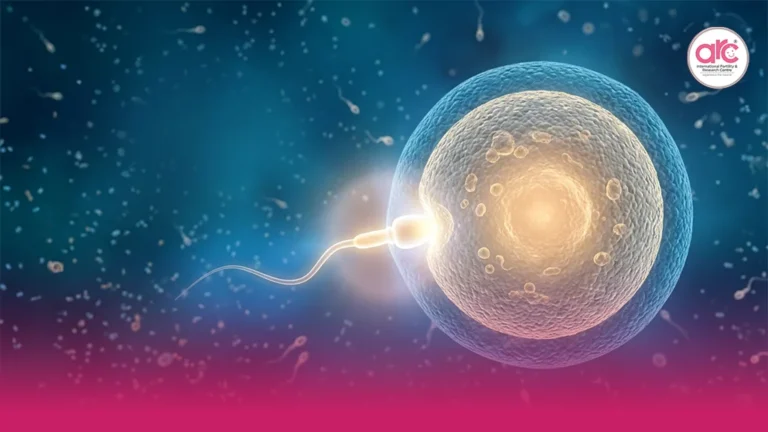
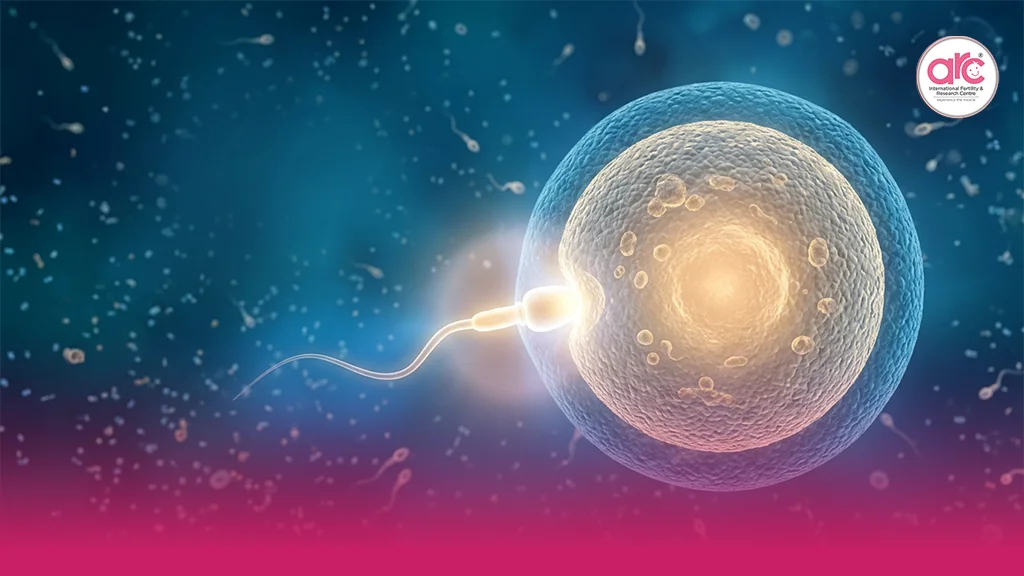
Failed fertilisation after egg retrieval means that the eggs collected during an IVF cycle did not successfully combine with sperm to form embryos. In simple terms, fertilisation did not occur in the laboratory as expected. This does not always mean pregnancy is impossible. It means the fertility team needs to understand why fertilisation failed in this particular cycle and how the next plan can be improved.
At ARC Fertility Hospitals, this situation is approached carefully because failed fertilisation is not just a lab result. It is an emotional moment for the woman or couple, and it deserves a clear explanation, not blame or vague reassurance.
What Normally Happens After Egg Retrieval?
During IVF, eggs are collected from the ovaries and taken to the embryology laboratory. Depending on the treatment plan, fertilisation may be attempted through conventional IVF, where eggs and sperm are placed together, or through ICSI, where a single sperm is injected directly into each mature egg.
The next day, embryologists check whether fertilisation has occurred. A normally fertilised egg usually shows signs that genetic material from both the egg and sperm has combined. If none of the eggs show these signs, it is called total fertilisation failure. If only a few fertilise, doctors may call it low or poor fertilisation.
This distinction matters. Total fertilisation failure after egg retrieval needs deeper review, while partial fertilisation may still allow embryo transfer or freezing, depending on embryo development.
Why Can Fertilisation Fail After Egg Retrieval?
Fertilisation is a complex biological event. Even when eggs are retrieved and sperm is available, several steps must happen correctly. The sperm must interact with the egg, enter it or be injected into it, activate the egg, and allow normal chromosome pairing. A problem at any of these steps can affect fertilisation.
Egg maturity and egg quality
Not every egg retrieved is ready for fertilisation. Some eggs may be immature, especially if the ovarian stimulation response was uneven or the trigger timing did not match follicle development. Mature eggs have a better chance of fertilising, but maturity alone does not guarantee success.
Egg quality is also important. Age is one of the strongest influences on egg quality, but it is not the only one. Ovarian reserve, previous ovarian surgery, endometriosis, medical history, and individual biology may all play a role. A woman may retrieve several eggs and still have difficulty if the eggs are unable to activate normally after sperm interaction.
Sperm-related factors
Fertilisation problems may also come from sperm factors. A semen report may look acceptable in count and movement, but fertilisation still depends on sperm DNA integrity, morphology, function, and ability to activate the egg. In some cases, sperm may enter the egg but fail to trigger the next stage of development.
Male fertility history is often reviewed again after failed fertilisation. Past infections, testicular injury, varicocele, lifestyle factors, or childhood illnesses may be relevant. For example, some couples may find it useful to understand how conditions such as mumps in childhood and fertility can sometimes enter the discussion during male fertility evaluation.
Laboratory and technique-related factors
Modern IVF laboratories are designed to protect eggs, sperm, and embryos in carefully controlled conditions. Still, when fertilisation fails, the laboratory process is reviewed. Doctors and embryologists may look at egg maturity, sperm preparation, timing, culture conditions, and whether conventional IVF or ICSI was used.
If conventional IVF was used and fertilisation failed, ICSI may be recommended in a future cycle. If ICSI was already used, the team may investigate deeper egg activation or sperm-related issues.
Ovarian stimulation and trigger timing
The medication protocol before egg retrieval influences egg maturity. If the trigger injection was not absorbed well, taken at the wrong time, or if follicles developed at different speeds, some eggs may be immature. This is why fertility specialists closely track follicle size, hormone levels, and timing before retrieval.
Women often notice body changes during fertility treatment and the natural cycle, including appetite shifts, breast tenderness, bloating, or mood changes. While these symptoms do not directly predict fertilisation, understanding hormonal patterns can help patients feel more connected to their cycle; related experiences such as feeling hungry after ovulation are common questions in fertility conversations.
Does Failed Fertilisation Mean Poor Egg Quality?
Not always. This is one of the most painful assumptions patients make after hearing the result. Failed fertilisation can be related to egg quality, but it can also be due to sperm function, egg activation failure, immature eggs, protocol timing, or a mismatch between fertilisation method and the couple’s biology.
A single failed fertilisation cycle does not define your fertility future. Doctors usually interpret the result along with your age, number of eggs retrieved, number of mature eggs, semen parameters, previous IVF history, hormone profile, and embryo laboratory observations.
For example, if many eggs were retrieved but only a small number were mature, the next cycle may focus on stimulation adjustment. If mature eggs were available but none fertilised with conventional IVF, ICSI may be considered. If ICSI was performed and fertilisation still failed, additional evaluation may be needed.
What Happens Next After Failed Fertilisation?
The next step is usually a detailed cycle review. At ARC Fertility Hospitals, the goal is not to rush into another cycle without learning from the failed one. Your fertility specialist may review:
How many follicles developed, how many eggs were retrieved, how many were mature, what the semen sample showed, which fertilisation method was used, whether sperm injection was technically smooth, and whether there were any signs of egg activation.
Based on this review, the next treatment plan may include a changed stimulation protocol, different trigger strategy, ICSI instead of conventional IVF, advanced sperm selection methods, repeat semen assessment, sperm DNA fragmentation testing, or specialist andrology evaluation. In selected situations, assisted oocyte activation may be discussed, but this is not used casually and must be considered carefully by the treating team.
Can IVF Work After Failed Fertilisation?
Yes, IVF can still work for some patients after a failed fertilisation cycle, but the chances depend on the underlying reason. Many couples go on to have fertilisation in a later cycle after treatment adjustments. However, it is important to stay realistic. Fertility treatment is not a straight line, and one change does not guarantee success.
The most useful question is not only, “Will it work next time?” but also, “What did this cycle teach us?” A failed cycle can reveal whether egg maturity needs improvement, whether sperm function requires deeper testing, or whether ICSI should be used. This information can make the next attempt more targeted.
How to Cope Emotionally With This Result
Failed fertilisation after egg retrieval can feel different from a negative pregnancy test. You may feel that the cycle ended before it truly began. Some women feel numb. Others feel angry, guilty, or embarrassed, even though they did nothing wrong.
It is important to remember that fertilisation happens at a microscopic level and cannot be controlled by willpower, diet, positivity, or rest. You followed the treatment. Your body responded in the way it could. The result is medical information, not a personal failure.
Before deciding on the next step, give yourself time to ask questions. Ask your doctor how many eggs were mature, whether sperm factors may be involved, what the embryologist observed, and what would be changed in a future cycle. Clear answers often reduce the helplessness that patients feel after an unexpected outcome.
When Should You Seek a Second Opinion?
A second opinion may be helpful if you experienced total fertilisation failure, repeated poor fertilisation, very few mature eggs despite good follicle growth, unexplained sperm concerns, or unclear communication about what happened in the lab. A good second opinion should not simply criticise the previous cycle. It should explain what can be reviewed and what realistic options exist.
ARC Fertility Hospitals supports patients with evaluation that looks at both female and male factors, because fertilisation is a shared biological process. Understanding both sides often leads to a more balanced and effective plan.
The Takeaway
What Does Failed Fertilisation Mean After Egg Retrieval? It means that the eggs collected did not become embryos after meeting sperm in the laboratory. It can happen because of egg maturity, egg quality, sperm function, fertilisation technique, activation issues, or treatment timing.
Most importantly, it does not automatically mean the end of your fertility journey. It means your doctors need to interpret the cycle carefully and adjust the next step based on evidence. With the right review, many patients gain a clearer path forward, even after a deeply disappointing result.