Why Are Day 5 Embryos Preferred Over Day 3 Embryos?
When you are going through IVF, even small details can feel emotionally heavy. One of the most common questions women ask is: Why are Day 5 embryos preferred over Day 3 embryos? The short answer is that Day 5 embryos, also called blastocysts, have had more time to show how well they can grow. This helps fertility specialists select embryos with stronger developmental potential before transfer.
But this does not mean Day 3 embryos are “bad” or that every woman must wait until Day 5. Embryo transfer timing is a medical decision based on age, egg reserve, number of embryos, previous IVF history, sperm quality, and how embryos are developing in the lab. A good fertility team does not simply follow a trend; they choose the option that gives each patient the most sensible chance while protecting emotional and physical safety.
What Happens to an Embryo Between Day 3 and Day 5?
After fertilisation, an embryo begins dividing. By Day 3, it is usually at the cleavage stage and may have around 6 to 8 cells. At this point, embryologists can assess cell number, symmetry, fragmentation, and overall appearance. This gives useful information, but it is still an early snapshot.
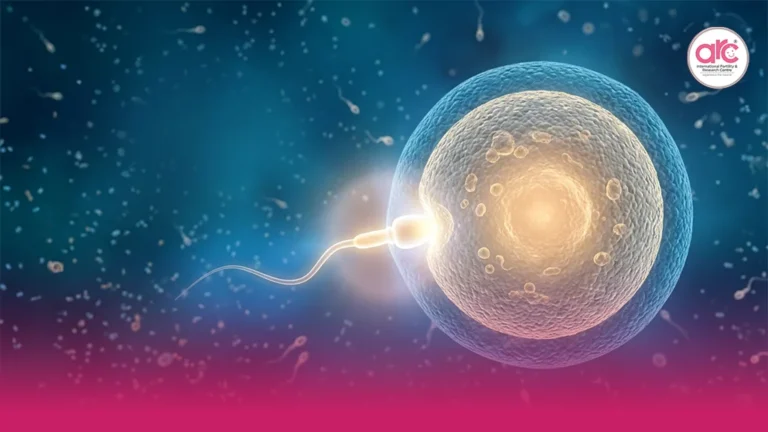
By Day 5, the embryo should ideally reach the blastocyst stage. A blastocyst has developed into a more organised structure with two important parts: the inner cell mass, which may become the baby, and the trophectoderm, which may form the placenta. Reaching this stage suggests that the embryo has crossed an important developmental milestone. That is why many IVF laboratories and fertility specialists prefer Day 5 transfer when enough embryos are available for safe observation.
Why Day 5 Embryos Are Often Preferred
1. Better embryo selection
Not every embryo that looks good on Day 3 will continue growing to Day 5. Waiting until the blastocyst stage allows the lab to observe which embryos have stronger developmental ability. This does not guarantee pregnancy, but it helps doctors make a more informed choice rather than selecting too early.
2. Closer timing to natural implantation
In natural conception, the embryo usually reaches the uterus around the blastocyst stage. A Day 5 transfer therefore more closely matches the time when the uterus would normally receive the embryo. This synchrony between embryo development and the uterine lining is one reason blastocyst transfer is commonly recommended.
3. Useful for single embryo transfer
Many women worry about twins or high-risk multiple pregnancies during IVF. Day 5 selection can support elective single embryo transfer because the embryologist has more information about which embryo appears most developmentally suitable. This may reduce the need to transfer multiple embryos, depending on the patient’s age, embryo quality, and treatment history.
4. Helpful when genetic testing is planned
If preimplantation genetic testing is advised, it is usually performed on blastocysts. A Day 5 or Day 6 embryo allows a small number of cells to be taken from the trophectoderm for testing. This may be considered in cases of advanced maternal age, repeated pregnancy loss, recurrent IVF failure, or known genetic concerns. However, genetic testing is not needed for everyone and should be discussed carefully with a fertility specialist.
Does a Day 5 Embryo Always Mean a Better Pregnancy Chance?
A Day 5 embryo can offer better selection, but it is not a promise. Pregnancy depends on several factors: embryo genetics, uterine lining receptivity, hormone environment, age, medical history, and the quality of the IVF laboratory. A beautiful-looking blastocyst may still not implant, while some Day 3 embryos can result in healthy pregnancies.
This is why emotionally balanced counselling matters. Patients often blame themselves after a failed transfer, wondering whether they walked too much, lifted something, or rested incorrectly. In reality, implantation is mostly driven by embryo and uterine factors, not ordinary daily movement. If you are anxious after embryo transfer, it may help to read about whether lifting heavy objects affects implantation, but always follow the personalised advice given by your doctor.
When Might a Day 3 Transfer Be Recommended?
Day 5 transfer is common, but it is not automatically the best choice for every patient. Sometimes, transferring on Day 3 is more appropriate. For example, if only one or two embryos are available, some doctors may prefer not to keep them in culture for longer. The thinking is that the uterus may provide a more natural environment than the laboratory for certain embryos, especially when embryo numbers are limited.
Day 3 transfer may also be considered in women with low ovarian reserve, older age, previous cycles where embryos did not reach blastocyst stage, or when there is concern that waiting could leave no embryo available for transfer. In such situations, the decision is not about choosing “old-fashioned” treatment; it is about using the patient’s own history to guide the safest plan.
How Doctors Decide Between Day 3 and Day 5
At ARC Fertility Hospitals, embryo transfer timing is usually decided after looking at the full IVF picture, not just one lab report. Doctors and embryologists consider the woman’s age, ovarian response, number of fertilised eggs, embryo growth pattern, previous IVF outcomes, uterus and lining status, and whether fresh transfer or frozen transfer is more suitable.
Sperm factors also matter. Embryo development after fertilisation depends on both egg and sperm contribution. If there is a history of male fertility concerns, infections, surgery, or trauma, it is worth discussing them openly. Some couples only think about egg quality, but sperm history can influence treatment decisions too; for example, men with past trauma may benefit from understanding how an old testicular injury may affect fertility later.
Fresh or Frozen Day 5 Transfer: Does It Matter?
Some Day 5 embryos are transferred fresh in the same IVF cycle. Others are frozen and transferred later. A frozen embryo transfer may be advised if hormone levels are high, the uterine lining needs better preparation, there is a risk of ovarian hyperstimulation, or genetic testing is being done. Freezing good-quality blastocysts using modern vitrification techniques can allow the doctor to plan transfer when the body is more ready.
For many women, this waiting period feels frustrating. It may seem like another delay after injections, scans, egg retrieval, and embryo updates. But in IVF, faster is not always better. Sometimes postponing transfer gives the uterus a calmer hormonal environment and gives the team more control over timing.
Cost and Emotional Concerns Around Day 5 Culture
Patients often ask whether Day 5 culture increases IVF cost. The answer depends on the clinic, lab policy, freezing needs, genetic testing, and whether additional procedures are used. It is reasonable to ask for a transparent cost explanation before starting treatment, including embryo culture, freezing, storage, and frozen transfer charges if applicable.
Emotionally, waiting from Day 3 to Day 5 can be difficult. Daily embryo updates may bring hope one day and fear the next. Some embryos slow down, some catch up, and some stop developing. This is not the patient’s fault. Embryology is a biological process, not a test of effort, positivity, diet, or willpower. A supportive IVF team should explain developments clearly without making you feel responsible for every outcome.
Day 5 vs Day 3: The Practical Takeaway
Day 5 embryos are preferred in many IVF cycles because they provide stronger information about embryo development, allow better selection, align more closely with natural implantation timing, and support single embryo transfer planning. However, Day 3 transfer still has a meaningful role, especially when embryo numbers are low or previous cycle history suggests that earlier transfer may be wiser.
The best question is not simply, “Is Day 5 better than Day 3?” A more helpful question is, “Based on my age, embryos, uterus, and past history, which transfer day makes the most sense for me?” That is where personalised fertility care makes a real difference.
If you are preparing for IVF, ask your fertility specialist how your embryos will be monitored, what criteria the embryology team uses, and what the plan will be if fewer embryos develop than expected. Clear information cannot remove all uncertainty, but it can make the journey feel less confusing and more supported.