When a couple is trying to conceive, a normal semen analysis often brings a wave of relief. The sperm count looks fine, movement is acceptable, and the shape appears within the reference range. For many women, this can feel like one major question has been answered: “So the male side is okay, right?”
The honest answer is: sometimes yes, but not always. Can sperm DNA damage exist despite a normal semen analysis? Yes, it can. A standard semen analysis is useful, but it mainly looks at what can be seen under the microscope. It does not directly examine whether the genetic material inside the sperm is intact.
This distinction matters, especially when pregnancy is not happening despite regular ovulation, open tubes, and apparently normal test results, or when there are repeated miscarriages or IVF disappointments. At ARC Fertility Hospitals, couples are encouraged to look beyond single reports and understand how different parts of fertility connect.
What Does a Normal Semen Analysis Actually Show?
A semen analysis usually measures semen volume, sperm concentration, total sperm count, motility, and morphology. These results help doctors understand whether enough sperm are present, whether they are moving well enough to reach the egg, and whether their visible structure appears normal.
For example, if sperm movement is low, doctors may discuss motility-related issues such as asthenozoospermia and pregnancy chances. If sperm shape is abnormal, the concern may shift toward morphology and conditions such as teratozoospermia and fertility. These findings are important, but they still do not tell the whole story.
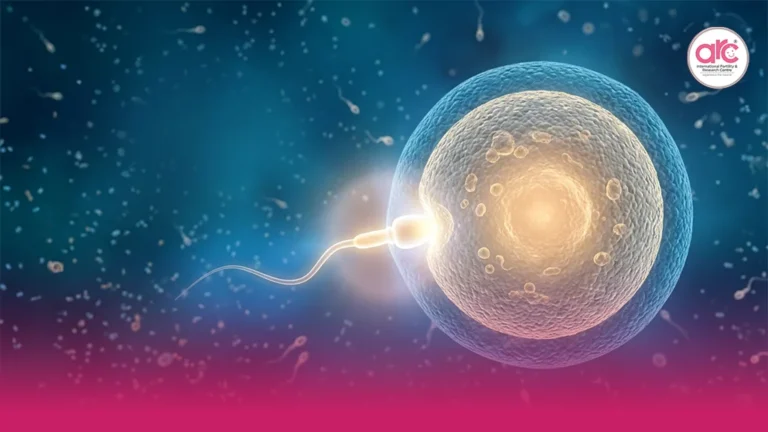
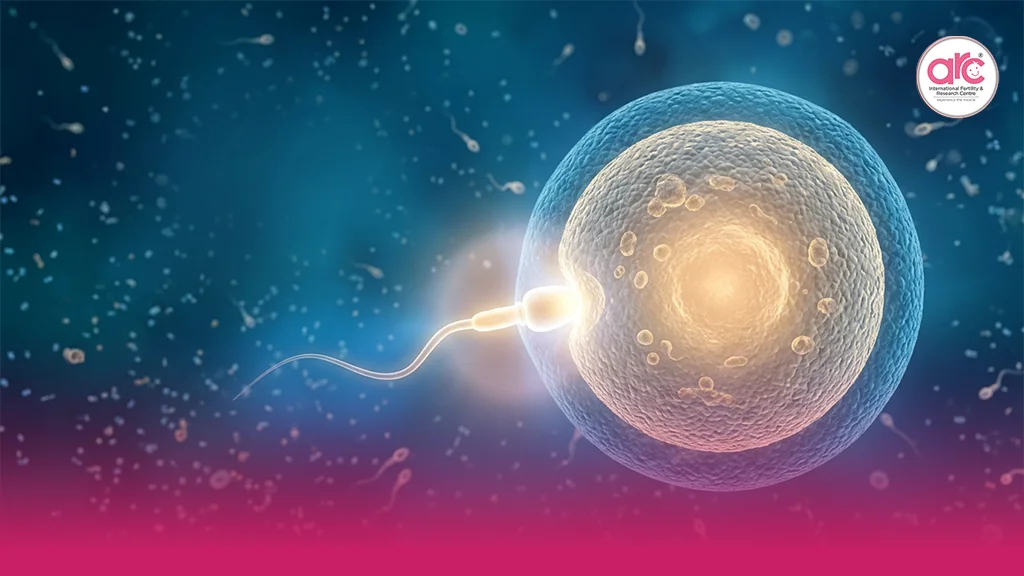
A sperm can look normal, move normally, and still carry damaged DNA. Think of it like a beautifully wrapped parcel with a damaged document inside. The outer appearance may seem acceptable, but the contents may still affect what happens after fertilisation.
What Is Sperm DNA Damage?
Sperm DNA damage, often discussed as sperm DNA fragmentation, means there are breaks or injuries in the genetic material carried by sperm. The sperm’s job is not only to reach and fertilise the egg but also to deliver healthy paternal DNA that supports embryo development.
Some level of DNA fragmentation can be present in many men, and the body has natural mechanisms to reduce the impact. The egg may also repair some DNA damage after fertilisation. But if the level of sperm DNA damage is high, it may reduce the chances of natural conception, affect embryo quality, increase the risk of early pregnancy loss, or contribute to repeated IVF or ICSI failure in some couples.
This does not mean sperm DNA damage makes pregnancy impossible. It means doctors may need to investigate more carefully and individualise the treatment plan.
Why Can DNA Damage Exist When Semen Parameters Are Normal?
A normal semen analysis is a surface-level functional assessment. DNA damage is a deeper cellular issue. The two can overlap, but they are not the same test.
Several factors can damage sperm DNA even when count, motility, and morphology remain within the normal range. Oxidative stress is one of the most common reasons. This happens when harmful molecules called free radicals overwhelm the body’s natural antioxidant defences. Sperm are particularly vulnerable because their membranes are delicate and their DNA is tightly packed.
Possible contributors include smoking, alcohol excess, obesity, diabetes, untreated infections, environmental toxins, heat exposure, poor sleep, high stress, advanced paternal age, and varicocele. Sometimes, the cause is not obvious. A man may feel healthy, have no symptoms, and still show increased sperm DNA fragmentation.
When Should Couples Consider Sperm DNA Fragmentation Testing?
Not every couple needs this test at the beginning. If a couple has just started trying, and there are no risk factors or concerning history, doctors may begin with standard fertility evaluation. But sperm DNA testing may be considered when the story does not fit the basic reports.
Situations where testing may be useful
Doctors may discuss sperm DNA fragmentation testing in cases of unexplained infertility, repeated pregnancy loss, repeated IVF or ICSI failure, poor embryo development, low fertilisation rates, advanced paternal age, known varicocele, history of smoking or toxin exposure, or when semen analysis is borderline even if not severely abnormal.
For women, this can be emotionally important. Many women undergo repeated scans, blood tests, hormone medicines, hysteroscopy, laparoscopy, or embryo transfers while assuming the semen report has fully cleared the male factor. A more balanced evaluation can reduce blame and help both partners participate in treatment decisions.
How Is Sperm DNA Damage Tested?
Sperm DNA damage is assessed using specialised tests such as Sperm Chromatin Structure Assay, TUNEL test, Comet assay, or Sperm Chromatin Dispersion test. Different laboratories may use different methods and cut-offs, so results should always be interpreted by a fertility specialist, not read in isolation.
A high result does not automatically mean IVF will fail. A normal result does not guarantee pregnancy. The value of the test lies in how it changes clinical thinking. For example, it may lead the doctor to address male lifestyle factors, evaluate varicocele, treat infection, adjust abstinence timing, consider antioxidant support, or choose specific sperm selection strategies during assisted reproduction.
Can Sperm DNA Damage Be Improved?
In many cases, improvement is possible, especially when a correctable cause is found. Sperm development takes around three months, so changes usually need time before they show results. This is why doctors often reassess after a planned interval instead of expecting immediate change.
Common recommendations may include stopping smoking, reducing alcohol, improving weight and metabolic health, treating genital infections, avoiding excessive heat exposure, reviewing occupational toxin exposure, and managing varicocele if clinically significant. Some men may be advised antioxidant therapy, but this should be done under medical guidance because random supplement use is not always helpful and can delay proper evaluation.
In IVF or ICSI cycles, fertility specialists may also modify sperm preparation techniques. In select cases with very high DNA fragmentation, testicular sperm retrieval may be discussed because sperm collected before ejaculation may sometimes show lower DNA damage. This is not for everyone and needs careful counselling.
How Does This Affect IVF and ICSI Decisions?
Many couples assume ICSI solves all male-factor problems because a single sperm is injected into the egg. ICSI can help when sperm count or movement is low, but it does not automatically repair DNA inside the sperm. If DNA fragmentation is high, embryo development may still be affected in some cases.
That said, IVF outcomes depend on many factors: woman’s age, egg quality, ovarian reserve, sperm health, embryo genetics, uterine environment, lab quality, and treatment protocol. Sperm DNA damage is one piece of the puzzle, not the whole explanation. A good fertility team will avoid blaming one partner and instead build a complete picture.
What Should You Do If the Semen Analysis Is Normal but Pregnancy Is Not Happening?
If you have been trying to conceive for over a year, or over six months if you are above 35, it is reasonable to meet a fertility specialist. If there have been miscarriages, failed fertility treatments, or poor embryo results, do not hesitate to ask whether sperm DNA fragmentation testing is relevant in your case.
Bring previous semen reports, ovulation tracking details, ultrasound findings, hormone tests, and any IVF records if available. At ARC Fertility Hospitals, evaluation is usually approached as a couple-based process. This matters because fertility is rarely solved by looking at one report or one person alone.
A normal semen analysis is reassuring, but it should not close the conversation when the couple’s experience suggests something is still unresolved. The goal is not to create fear. The goal is to ask better questions, choose the right tests, and avoid unnecessary delays.
The Takeaway
Can sperm DNA damage exist despite a normal semen analysis? Yes. A semen analysis tells us about visible sperm parameters, while DNA fragmentation testing looks deeper into sperm genetic integrity. For some couples, especially those facing unexplained infertility, recurrent miscarriage, or repeated IVF failure, this additional insight can be valuable.
The best next step is not self-diagnosis, but a thoughtful fertility consultation. With the right evaluation, many causes can be addressed, treatment can be personalised, and both partners can move forward with clearer expectations and less uncertainty.