
Can sneezing or coughing hard dislodge an implanting embryo?
If you are in the two-week wait after ovulation, IUI, or embryo transfer, even an ordinary sneeze can feel frightening. Many women pause after a strong cough or sudden body jerk and wonder, “Did I just ruin my chance?” This fear is very common, especially after IVF, when so much time, emotion, medication, and hope have gone into reaching this stage.
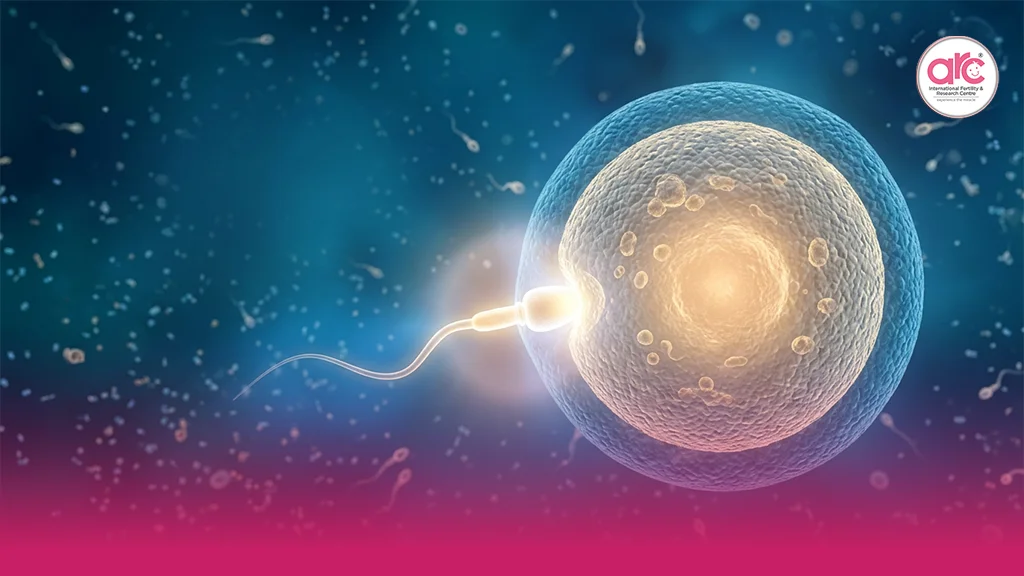
The reassuring answer is: no, sneezing or coughing hard does not dislodge an implanting embryo. An embryo is not sitting loosely inside the uterus in a way that can be shaken out by a cough, sneeze, laugh, or change in sleeping position. Implantation is a microscopic biological process between the embryo and the uterine lining. It is influenced by embryo quality, endometrial receptivity, hormones, timing, age, and overall reproductive health—not by normal body movements.
Why a sneeze feels scary during implantation
During the waiting period, your body becomes the centre of your attention. You may notice every cramp, twinge, discharge change, breast sensation, or wave of fatigue. A hard sneeze creates pressure in the abdomen and pelvic area, so it can feel as though something has shifted. But the sensation you feel is usually from the abdominal muscles, pelvic floor, uterus, or ligaments briefly tightening.
The uterus is a muscular organ, but it is also protected deep inside the pelvis. The embryo, at implantation stage, is extremely tiny. It interacts with the endometrial lining at a cellular level. A cough may move your chest and abdominal muscles, but it does not create a force inside the uterine cavity strong enough to detach a healthy implanting embryo.
A helpful way to understand this is to imagine a tiny seed settling into soft, prepared soil—not resting on a slippery surface. Once the embryo begins communicating with the lining, implantation depends on complex biochemical signals. It is not something that gets interrupted because you sneezed twice, climbed stairs, bent down, or laughed suddenly.
What actually affects implantation?
Implantation is more medically complex than many people realise. Doctors look at several factors, especially when pregnancy is delayed or IVF cycles have not worked. These include the quality of the egg and sperm, embryo development, chromosomal normality, uterine lining thickness and pattern, progesterone support, thyroid and prolactin balance, infection history, fibroids, polyps, endometriosis, adenomyosis, and immune or clotting-related factors in selected cases.
This is why fertility specialists do not judge a cycle based on one sneeze or cough. If implantation does not happen, it is almost never because of a normal daily action. At ARC Fertility Hospitals, doctors usually focus on understanding the deeper treatment logic—whether the embryo had the right developmental potential, whether the lining was receptive, whether medications were timed correctly, and whether any underlying condition needs attention before the next step.
What about embryo transfer after IVF?
After an embryo transfer, the same reassurance applies. The transferred embryo is placed gently into the uterine cavity using a thin catheter. It does not fall out when you stand up, pass urine, cough, or sneeze. The cervix and uterine anatomy do not work like an open passageway where the embryo can slip out because of pressure.
Most fertility clinics allow patients to resume light daily activity after transfer. Strict bed rest is generally not needed unless your doctor has given specific advice for your situation. In fact, remaining completely still for days can increase anxiety and make every sensation feel more alarming. Gentle movement, calm routines, hydration, and taking medicines exactly as prescribed are usually more useful than trying to control every body movement.
If you are choosing where to begin or continue treatment, consulting a Fertiliy hospital in Chennai can help you receive personalised guidance rather than relying on fear-based assumptions during the waiting period.
Can severe coughing matter in any situation?
Normal sneezing, seasonal allergy sneezing, mild cough, laughing, or a sudden cough episode will not dislodge an embryo. However, if you have a severe respiratory infection, high fever, breathing difficulty, persistent chest congestion, or violent coughing that continues for days, you should speak to your doctor. The concern is not that the embryo will be shaken loose. The concern is your overall health, fever control, medication safety, dehydration, sleep disruption, and inflammation.
Do not self-medicate aggressively during the implantation window or early pregnancy possibility. Some medicines are safer than others, and your fertility team should know what you are taking. If you have asthma, bronchitis, flu-like symptoms, COVID-like symptoms, or a fever above what your doctor considers safe, medical advice matters.
Symptoms after sneezing: what is normal and what is not?
A brief pulling sensation, mild cramp, or momentary pelvic discomfort after a sneeze is usually not worrying. The pelvic muscles and ligaments may contract suddenly, especially if your ovaries are enlarged after stimulation or if you are already bloated from fertility medicines.
Light spotting can also happen around implantation or after vaginal progesterone use, cervical irritation, or embryo transfer. But heavy bleeding, severe one-sided pain, dizziness, fainting, shoulder-tip pain, fever, or intense abdominal swelling should be discussed urgently with your doctor. These symptoms do not mean you caused anything by sneezing, but they may need evaluation.
The emotional side of the two-week wait
The hardest part of implantation is often not physical—it is emotional. Many women replay every action: “I coughed hard,” “I walked too much,” “I slept on my stomach,” “I got angry,” “I cried,” or “I lifted something by mistake.” This self-blame can become exhausting.
It is important to remember that implantation is not that fragile. If embryos could be dislodged by ordinary movements, natural conception would be almost impossible because most women continue normal life before they even know they are pregnant. The body is designed to protect early pregnancy far better than we often trust during infertility treatment.
That said, your anxiety is understandable. Fertility treatment makes invisible processes feel high-stakes. You cannot see the embryo implanting. You cannot measure what is happening inside. So the mind tries to find something to control. Instead of monitoring every sneeze, it may help to focus on what is actually within your control: taking prescribed medicines, avoiding smoking and alcohol, sleeping adequately, eating balanced meals, and contacting your clinic if symptoms are unusual.
When can you test after suspected implantation?
Testing too early can add more confusion. A negative result before the right time does not always mean the cycle has failed, and a faint line can create its own stress. Timing depends on whether you conceived naturally, had IUI, or had a day-3 or day-5 embryo transfer. If you are unsure when to check, this guide on how early a pregnancy test can be positive explains why waiting for the correct window matters.
Some women also notice thirst, dry mouth, fatigue, bloating, or mild nausea and wonder whether these are pregnancy signs or medication effects. Progesterone can mimic several early pregnancy symptoms, which is why symptoms alone cannot confirm implantation. If dry mouth is one of your concerns, you may find this explanation of dry mouth or excessive thirst in early pregnancy helpful.
Should you rest after coughing or sneezing?
You do not need to lie down in panic after a sneeze or cough. If resting helps you feel calmer, it is fine to rest briefly. But do not treat normal body reactions as emergencies. There is no need to restart bed rest, avoid using the bathroom, or stay frozen in one position.
After embryo transfer or during the implantation window, most women can continue light, sensible routines. Avoid strenuous workouts, heavy lifting, smoking, alcohol, overheating in saunas or hot tubs, and unapproved medications. But normal walking, gentle household tasks, showering, sitting, standing, sneezing, and coughing are not threats to implantation.
How ARC Fertility Hospitals supports patients through this stage
Good fertility care is not only about lab work and procedures; it is also about reducing unnecessary fear. A thoughtful fertility team explains what matters, what does not, and when to seek help. This is especially important during the waiting period, when uncertainty can feel heavier than treatment itself.
At ARC Fertility Hospitals, evaluation and treatment planning are based on diagnosis, age, ovarian reserve, semen parameters, previous treatment history, uterine health, and the couple’s emotional readiness. Whether the next step is timed intercourse, ovulation induction, IUI, IVF, ICSI, donor options, or fertility preservation, the aim is to guide patients with clarity rather than pressure.
If you are looking for a Best Fertiliy hospital in Chennai, choose a centre where doctors answer small questions with patience—because during fertility treatment, small questions often carry big emotions.
The bottom line
Sneezing or coughing hard cannot dislodge an implanting embryo. A healthy implantation process is not undone by a sudden body movement. If your cycle does not result in pregnancy, it is not because you coughed, sneezed, laughed, bent down, or walked around.
Still, if you have severe coughing, fever, heavy bleeding, intense pain, or symptoms that feel unusual, contact your fertility doctor. Reassurance is helpful, but personalised medical advice is better when symptoms are persistent or severe. Most importantly, be kind to yourself during the wait. Your body is not as fragile as fear makes it feel.
