Few early fertility signs create as much confusion as spotting before a period. A woman may notice a small stain on tissue, a brown mark on underwear, or light pink discharge and immediately wonder: is this implantation bleeding, my period starting, or something else?
The honest answer is that implantation bleeding can look different from person to person, and it cannot confirm pregnancy on its own. But understanding its usual color, timing, flow, and discharge pattern can help you respond calmly instead of guessing from fear.
What Is Implantation Bleeding?
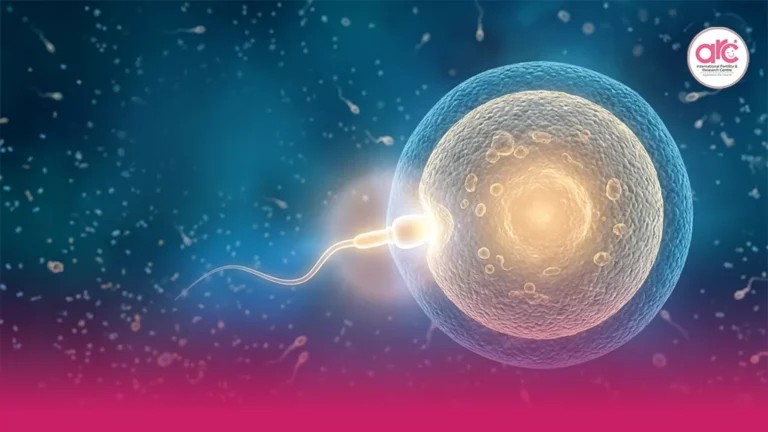
Implantation bleeding refers to light spotting that may happen when a fertilized embryo attaches to the lining of the uterus. This typically occurs around the time many women are waiting for their period, which is why it is often mistaken for early menstrual flow.
It is important to know that not every pregnant woman experiences implantation bleeding. Some have no bleeding at all. Others may notice very mild spotting for a short time. The presence or absence of spotting does not prove whether pregnancy has occurred.
What Does Implantation Bleeding Look Like?
Implantation bleeding is usually light, brief, and not heavy enough to soak a pad. It may appear as a few drops, a smear when wiping, or mild staining on underwear. The flow is generally much lighter than a menstrual period and does not usually become progressively heavier.
The color can vary depending on how fresh the blood is and how long it has taken to leave the uterus or cervix. Common descriptions include:
- Light pink: often mixed with cervical mucus or discharge.
- Light brown: older blood that has oxidized before leaving the body.
- Rusty or tan spotting: sometimes seen as faint marks rather than flowing blood.
Bright red bleeding can happen for many reasons, but if it becomes heavy, painful, or clot-like, it is less typical of implantation spotting and should be medically reviewed.
What About Discharge Photos Online?
Many women search for discharge photos because they want visual reassurance. While photos may help you understand possible appearances, they are not reliable for diagnosis. Lighting, underwear color, camera quality, hydration, cervical mucus, and timing in the cycle can all change how discharge looks.
A better approach is to observe the full pattern: when the spotting happened, how long it lasted, whether it increased, whether cramps were mild or severe, and whether your period actually arrived. If you are undergoing fertility treatment, even small bleeding episodes can feel emotionally intense, so it is reasonable to ask your fertility team rather than comparing images online.
When Does Implantation Bleeding Usually Happen?
Implantation generally occurs several days after ovulation, often close to the expected period date. Because ovulation timing is not always exact, especially in irregular cycles, spotting can be difficult to interpret without tracking or medical context.
If you are trying naturally, the most practical step is usually to wait until your expected period date or a few days after and take a home pregnancy test. Testing too early may show a negative result even if pregnancy is beginning, simply because pregnancy hormone levels may not yet be high enough to detect.
Implantation Bleeding vs Period: The Key Differences
Many women try to identify implantation bleeding by color alone, but flow pattern is often more useful. A period usually starts light and becomes heavier, while implantation spotting tends to remain light and short-lived. Menstrual bleeding may also include stronger cramps, clots, or a familiar period-like progression.
That said, bodies do not always follow textbook rules. Hormonal changes, stress, polyps, infections, cervical irritation, early pregnancy changes, and fertility medications can also cause spotting. If bleeding is unusual for you, it deserves attention rather than self-diagnosis.
Can Implantation Bleeding Happen During IVF?
After an embryo transfer, any spotting can feel frightening. Light spotting may occur due to the transfer procedure, vaginal progesterone, cervical sensitivity, or early pregnancy-related changes. It does not automatically mean success or failure.
In IVF, doctors usually rely on a blood beta-hCG test at the advised time rather than symptoms alone. This is because progesterone support can mimic pregnancy symptoms, and spotting patterns can be misleading. If you are being monitored for repeated implantation failure or immune-related factors, your doctor may discuss advanced evaluation; some patients also read about immune-related implantation concerns, but such treatment decisions must always be individualized by a fertility specialist.
When Should You Contact a Doctor?
Light spotting may not be an emergency, but you should contact a doctor promptly if you notice heavy bleeding, severe abdominal pain, shoulder-tip pain, dizziness, fainting, fever, foul-smelling discharge, or bleeding after a confirmed positive pregnancy test. These symptoms need medical assessment to rule out complications such as miscarriage, ectopic pregnancy, infection, or other gynecological concerns.
You should also seek fertility advice if spotting repeatedly happens before your period, if cycles are irregular, or if you have been trying to conceive without success. Age, ovulation quality, sperm health, uterine lining, tubes, hormones, and ovarian reserve all influence conception. For women planning pregnancy later or worried about egg supply, understanding ovarian reserve can make fertility decisions clearer and less emotionally overwhelming.
How ARC Fertility Hospitals Approaches Early Spotting Concerns
At ARC Fertility Hospitals, early spotting is not treated as a standalone symptom. Fertility specialists look at the wider picture: cycle history, ovulation timing, previous pregnancies, ultrasound findings, hormone levels, semen analysis, prior IVF response, and any history of miscarriage or implantation difficulty.
If you are confused by bleeding around your expected period, choosing a trusted Fertiliy hospital in Chennai can help you understand whether you need simple reassurance, cycle tracking, hormone evaluation, ultrasound, or fertility treatment. Patients looking for the Best Fertiliy hospital in Chennai should focus not only on technology, but also on careful diagnosis, honest communication, and emotionally safe care.
Quick Guide: Implantation Bleeding vs Period Spotting
| Feature | Implantation Bleeding May Look Like | Period Usually Looks Like |
|---|---|---|
| Flow | Very light spotting or staining, often not enough to fill a pad | Often starts light, then becomes heavier over 1–2 days |
| Color | Light pink, brown, tan, or rusty spotting | Red to dark red, sometimes with brown at the beginning or end |
| Duration | Usually short-lived and does not steadily increase | Commonly lasts several days with a recognizable pattern |
| Clots | Clots are not typical | Small clots may occur in some menstrual cycles |
| Cramps | Mild pulling or light cramps may occur, but not always | Cramps may be stronger and more familiar to your normal period |
| What to do | Track symptoms and test at the right time if your period is late | If it follows your usual period pattern, pregnancy is less likely |
Final Thoughts
Implantation bleeding, when it occurs, is usually light, brief, and subtle. It may look pink, brown, or rust-colored, and it typically does not behave like a normal period. But spotting alone cannot confirm pregnancy, and online discharge photos cannot replace medical guidance.
If you are trying to conceive, recovering from an IVF cycle, or feeling anxious about repeated spotting, the most useful step is not to over-read one symptom. Track the pattern, test at the appropriate time, and speak with a fertility specialist if something feels unusual. Clear answers often come from proper evaluation, not from guessing alone.
Frequently Asked Questions
Get answers to common questions about IVF treatment at ARC Fertility
How many days does implantation bleeding usually last?
Implantation bleeding, when it happens, is usually brief and light. It may last for a few hours to a couple of days, but it should not become progressively heavier like a period. If bleeding continues, increases, or is associated with pain, it is best to consult a doctor.
Can implantation bleeding be bright red?
Implantation spotting is more commonly light pink, brown, tan, or rust-colored. Bright red bleeding can happen for many reasons, including an early period or cervical irritation, but heavy bright red bleeding is less typical of implantation and should be medically reviewed.
Can I take a pregnancy test during implantation bleeding?
You can test, but testing too early may give a negative result even if pregnancy is developing. It is usually better to test on or after your expected period date, or follow your fertility doctor’s advised beta-hCG testing date after IVF.
Is implantation bleeding painful?
Some women notice mild cramps, pulling, or heaviness, while others feel nothing. Severe pain, one-sided pelvic pain, dizziness, fainting, or heavy bleeding should not be assumed to be implantation and needs prompt medical attention.
Does spotting after embryo transfer mean IVF has failed?
No. Spotting after embryo transfer does not automatically mean IVF has failed. It may occur due to the procedure, progesterone use, cervical sensitivity, or early pregnancy changes. The most reliable next step is to complete the beta-hCG blood test at the time recommended by your fertility team.
Can implantation bleeding have clots?
Clots are not typical of implantation bleeding. If you notice clots, heavy flow, or bleeding similar to or heavier than your period, you should contact a healthcare professional for guidance, especially if you have a positive pregnancy test.
When should I see a fertility specialist for spotting?
You should consider fertility evaluation if spotting happens repeatedly before your period, your cycles are irregular, you have been trying to conceive without success, or you have spotting after a positive pregnancy test. A specialist can assess ovulation, hormones, uterine lining, ovarian reserve, and other factors that affect conception.