Can Heavy Lifting During the Two-Week Wait Prevent Implantation?
The two-week wait can make even ordinary moments feel loaded with meaning. You lift a grocery bag, move a bucket of water, carry your child, or finish a household chore—and then the worry starts: “Did I just affect implantation?” If you are trying naturally, after IUI, or after an IVF embryo transfer, this question is very common.
The reassuring answer is: in most cases, a single episode of lifting something moderately heavy does not prevent implantation. Implantation is a complex biological process involving embryo quality, the uterine lining, hormones, timing, and endometrial receptivity. It is not usually disrupted by normal daily movement. However, that does not mean every form of exertion is ideal during the two-week wait. The key is understanding the difference between normal activity, heavy strain, and medically restricted activity.
What Actually Happens During Implantation?
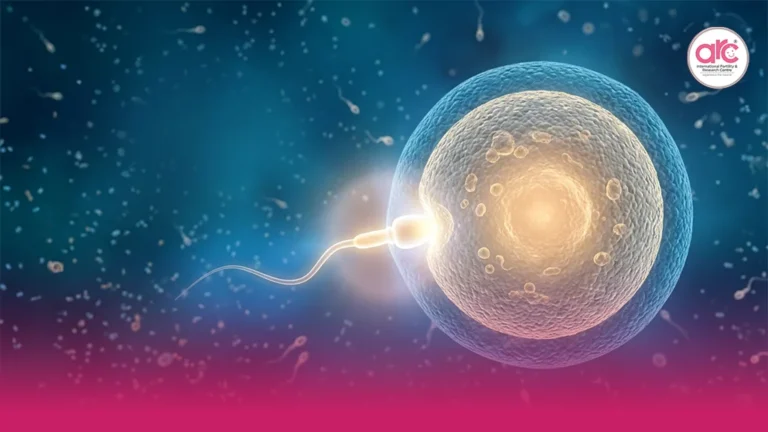
Implantation is not like placing a loose object on a shelf that can fall off with movement. After ovulation or embryo transfer, the embryo reaches the uterus and begins communicating with the endometrium, which is the inner lining of the uterus. If the lining is receptive and the embryo is developmentally suitable, attachment and early embedding may begin.
This process is microscopic and hormone-driven. The uterus is protected deep inside the pelvis, and routine walking, bending, climbing stairs, or lifting light objects does not usually “shake” an embryo loose. Many women imagine implantation as something fragile that can be disturbed by one wrong movement. In reality, the body is designed to support early conception while daily life continues.
That said, the two-week wait is also a time when doctors may advise avoiding intense workouts, sudden abdominal strain, or unusually heavy lifting—especially after fertility treatment. This advice is less about a single movement stopping implantation and more about reducing unnecessary physical stress, discomfort, ovarian strain, and anxiety.
So, Can Heavy Lifting During the Two-Week Wait Prevent Implantation?
For most women, heavy lifting is unlikely to be the direct reason implantation fails. Implantation failure is more often related to factors such as chromosomal abnormalities in the embryo, poor embryo development, thin or non-receptive uterine lining, hormonal imbalance, uterine factors, inflammation, age-related egg quality issues, or underlying fertility conditions.
However, repeated heavy lifting that causes significant abdominal pressure, breath-holding, pelvic discomfort, cramping, or exhaustion is not recommended during this period. If you are lifting weights at the gym, moving furniture, doing high-intensity training, or performing physically demanding work, it is sensible to pause or modify those activities until your pregnancy test result.
Think of it this way: normal life is acceptable; unnecessary strain is avoidable. The goal is not bed rest. The goal is calm, balanced activity that does not put your body under avoidable stress.
What Counts as “Heavy Lifting” During the Two-Week Wait?
There is no single weight limit that applies to every woman. What feels heavy depends on your fitness level, treatment history, body size, pregnancy history, and whether you have had ovarian stimulation. For one woman, carrying a 5 kg bag may feel effortless. For another, it may trigger pelvic pressure.
As a general guide, you should be cautious with lifting that makes you hold your breath, tighten your abdomen strongly, strain your back or pelvis, feel dizzy, trigger cramping, or require sudden jerky movement. Lifting a laptop bag, a light grocery bag, or a small household item is usually different from lifting gas cylinders, heavy water cans, large suitcases, furniture, or gym weights.
If you have undergone IVF, your ovaries may still be enlarged after stimulation. In that situation, strenuous lifting may increase discomfort and, rarely, contribute to ovarian torsion risk. This is one reason fertility specialists often recommend gentle activity after egg retrieval and embryo transfer.
Is Bed Rest Needed After Ovulation, IUI, or Embryo Transfer?
Many women feel that resting completely will increase their chances. But prolonged bed rest is not routinely recommended for most patients after ovulation, IUI, or embryo transfer. In fact, staying in bed all day can increase anxiety, make every sensation feel more intense, and create unnecessary fear around normal movement.
Gentle walking, light household activity, office work, and daily routines are usually acceptable unless your doctor has given specific restrictions. Some women are advised to rest more if they have ovarian hyperstimulation risk, bleeding, severe pain, a history of pregnancy complications, or certain medical conditions. Personalised advice matters.
At ARC Fertility Hospitals, fertility guidance is usually based on the patient’s treatment stage, ovarian response, uterine health, age, medical history, and emotional comfort—not just a generic list of restrictions. That individual context is important because the same activity may be harmless for one patient but uncomfortable or unsuitable for another.
What If You Lifted Something Heavy and Now Have Cramps?
Mild cramping during the two-week wait can happen for many reasons: progesterone supplementation, ovulation-related changes, bowel gas, uterine sensitivity, embryo transfer procedure effects, or the normal luteal phase. Cramping alone does not confirm implantation, miscarriage, or implantation failure.
If you are trying to understand body sensations around your cycle, it may also help to read about light cramping during ovulation, because not every pelvic sensation after ovulation is a warning sign.
However, you should contact your fertility doctor if cramping is severe, one-sided, worsening, associated with heavy bleeding, fever, vomiting, faintness, shoulder pain, or significant abdominal bloating. These symptoms need medical attention, especially after ovarian stimulation or fertility treatment.
Activities That Are Usually Safe During the Two-Week Wait
Most women can continue gentle and moderate daily activities. This may include walking, cooking, desk work, light cleaning, climbing stairs slowly, stretching, meditation, breathing exercises, and short local travel if comfortable. If an activity feels smooth and does not cause strain, it is generally less concerning.
Women often ask about carrying a child. If you already have a toddler, completely avoiding lifting may not be realistic. Try to reduce unnecessary lifting, sit down before holding your child, avoid sudden twisting, and ask for help when possible. The aim is to reduce strain, not create guilt.
Activities Best Avoided Until the Pregnancy Test
It is wise to avoid heavy gym workouts, weightlifting, high-impact aerobics, running if not already accustomed to it, jumping, intense core exercises, moving furniture, heavy household lifting, and long hours of physically exhausting work. Also avoid hot yoga, sauna, steam baths, and activities that significantly raise body temperature.
After IVF, doctors may also advise avoiding intercourse for a short period depending on your protocol, ovarian size, symptoms, and clinic guidance. Always follow your fertility specialist’s instructions over general online advice.
Why Implantation May Not Happen Even When You Do Everything “Right”
One of the hardest parts of the two-week wait is the tendency to blame yourself. If the test is negative, many women replay every action: “Was it the stairs? Was it the bag I carried? Was it the day I cried?” This self-blame is emotionally heavy and usually medically inaccurate.
Implantation depends on several hidden biological factors. Embryo genetics are a major reason why conception may not continue, especially with increasing age. The uterine lining must be receptive at the right time. Hormones such as progesterone must support the luteal phase. Conditions like endometriosis, fibroids, polyps, hydrosalpinx, thyroid imbalance, uncontrolled diabetes, or immune and clotting concerns may also influence outcomes in selected patients.
This is why fertility evaluation is not just about telling patients to “relax.” A responsible fertility approach looks at ovulation, sperm parameters, tubes, uterus, ovarian reserve, age, prior treatment history, and embryo development if IVF is involved. Lifestyle matters, but it is only one part of a much bigger picture.
When Should You Speak to a Fertility Specialist?
If you have been trying to conceive for 12 months under age 35, or 6 months if you are 35 or older, it is reasonable to seek fertility evaluation. You should consult earlier if you have irregular periods, known PCOS, endometriosis, fibroids, recurrent pregnancy loss, previous pelvic infection, low sperm count in the partner, or a history of failed IUI or IVF cycles.
During the two-week wait itself, speak to your doctor if you accidentally lifted something very heavy and now have severe pain, bleeding, marked bloating, or dizziness. If there are no symptoms, your doctor may simply reassure you and advise rest, hydration, and observation.
Practical Guidance for the Two-Week Wait
A helpful rule is to live gently, not fearfully. Continue normal activities, but avoid proving your strength. Do not start a new intense exercise routine. Do not lift objects that make you strain. Stay hydrated, eat balanced meals, take prescribed medicines on time, and avoid repeatedly testing too early because it can increase emotional distress.
If you are on progesterone, remember that it can cause breast tenderness, bloating, mood changes, sleepiness, and mild cramps—symptoms that can mimic early pregnancy. The most reliable answer still comes from the pregnancy test date advised by your fertility team.
The Bottom Line
Can heavy lifting during the two-week wait prevent implantation? Usually, one accidental lift does not prevent implantation. But repeated heavy lifting, intense physical strain, or activity that causes pain should be avoided, especially after IVF or ovarian stimulation. The safest approach is balanced: no unnecessary bed rest, no extreme exertion, and no self-blame.
If you are unsure what is safe for your specific situation, especially after IUI or IVF, ask your fertility specialist for personalised guidance. At ARC Fertility Hospitals, the focus is on helping women understand their bodies with clarity and compassion—so the two-week wait feels less frightening and more supported.