If you are trying to conceive, a few days can feel very important. Many women track ovulation closely, notice changes in cervical mucus, use ovulation predictor kits, or follow period apps. So when intercourse happens after the expected ovulation day, one question naturally comes up: Can you get pregnant 3 days after ovulation?
The short medical answer is: it is unlikely if ovulation truly happened 3 days earlier. But the more practical answer is slightly more nuanced. Pregnancy may still be possible if ovulation was miscalculated, delayed, or if the signs you interpreted as ovulation did not actually confirm egg release. Understanding this difference can reduce unnecessary anxiety and help you time intercourse more confidently in future cycles.
What Actually Happens During Ovulation?
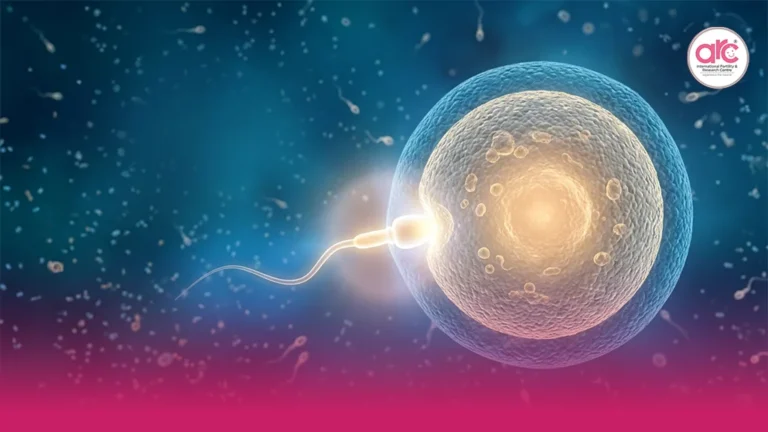
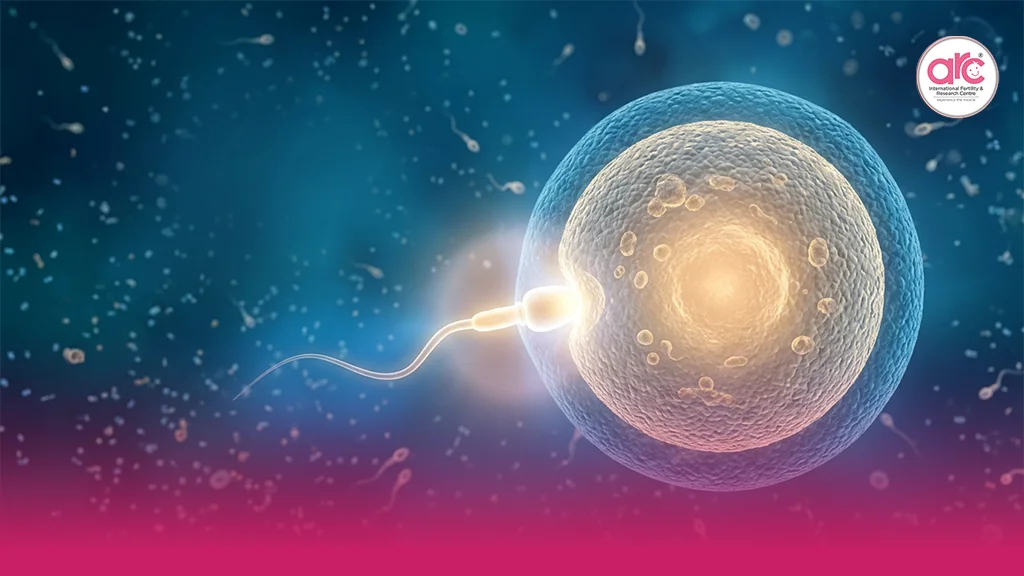
Ovulation is the release of a mature egg from the ovary. Once released, the egg travels into the fallopian tube, where fertilisation can happen if sperm are present. This is why timing matters so much. The egg does not remain available for several days. In most women, it survives for about 12 to 24 hours after ovulation.
Sperm, however, can live longer inside the female reproductive tract. Under favourable conditions, especially when fertile cervical mucus is present, sperm may survive for up to 5 days. This is why intercourse before ovulation is often more effective than intercourse after ovulation. Ideally, sperm should already be waiting in the reproductive tract when the egg is released.
Can You Get Pregnant 3 Days After Ovulation?
If ovulation was accurately confirmed and intercourse happened only 3 days later, the chance of pregnancy is very low because the egg would usually no longer be viable. By that time, the egg has either been fertilised within the first day or has broken down and been absorbed by the body.
But many women do not know the exact moment of ovulation. Apps estimate ovulation based on previous cycles, but they cannot see what your ovaries are doing. Ovulation predictor kits detect the LH surge, which usually happens before ovulation, but they do not always prove that an egg was released. Cervical mucus, mild pelvic pain, bloating, or breast tenderness can offer clues, but they are not exact confirmations.
So, if you had sex 3 days after the date your app predicted ovulation, pregnancy could still be possible if your body ovulated later than expected. This is especially common in women with irregular cycles, stress, recent illness, travel, PCOS, thyroid imbalance, breastfeeding, or hormonal changes.
Why Ovulation Timing Is Often Misunderstood
One of the biggest reasons women feel confused is that the fertile window is often described too simply. Many people think there is one “best day” each month. In reality, fertility is a window of several days before ovulation and about one day after ovulation.
The highest chances of conception are generally from the 2 days before ovulation through the day of ovulation. Intercourse 3 days before ovulation can still result in pregnancy because sperm may survive until the egg is released. Intercourse 3 days after confirmed ovulation is different because the egg is usually no longer available.
This is why fertility specialists often advise couples not to wait for one perfect day. Having intercourse every 1 to 2 days during the fertile window can reduce the pressure of exact timing and improve the chance that healthy sperm are present when ovulation occurs.
What If You Felt Ovulation Pain?
Some women feel mild one-sided pelvic discomfort around ovulation. This is sometimes called mittelschmerz. It may feel like a twinge, dull ache, or brief cramp. But pain is not a precise ovulation clock. It can occur before, during, or after ovulation, and sometimes pelvic pain may be linked to other causes such as ovarian cysts, endometriosis, digestive issues, or infection.
If you often depend on pain to identify your fertile window, it may help to understand the difference between ovulation pain and ovarian cyst discomfort. Persistent, severe, or recurring pelvic pain should be assessed by a doctor, especially if it is associated with heavy bleeding, fever, vomiting, or pain during intercourse.
How to Know Whether You Ovulated Late
Late ovulation is more common than many women realise. A cycle does not always follow a textbook pattern. Even women with usually regular periods may occasionally ovulate later because of stress, disturbed sleep, weight changes, illness, intense exercise, or emotional strain.
Signs that ovulation may have occurred later than expected include fertile cervical mucus appearing after your predicted ovulation day, a positive ovulation test later in the cycle, a delayed period, or a basal body temperature rise occurring later than usual. However, these signs are still indirect.
The most reliable way to confirm ovulation in a medical setting is through follicular monitoring with ultrasound and, in some cases, hormone testing. At fertility centres such as ARC Fertility Hospitals, doctors may recommend these tests when couples are unsure about ovulation timing, have irregular cycles, or have been trying to conceive without success.
When Should You Take a Pregnancy Test?
If you had intercourse 3 days after suspected ovulation and your period is late, it is reasonable to take a home pregnancy test. For the most accurate result, test from the day your period is due or a few days after a missed period. Testing too early can lead to a false negative because the pregnancy hormone hCG may not be high enough yet.
If your result is negative but your period still does not arrive, repeat the test after 48 to 72 hours. If cycles are irregular or the delay continues, speak with a gynaecologist or fertility specialist. A blood beta-hCG test can provide clearer information than a urine test in uncertain situations.
Can Lifestyle or Supplements Improve the Chances?
Good fertility care is not only about timing intercourse. It is also about preparing the body for conception in a healthy, realistic way. A balanced diet, adequate sleep, moderate activity, healthy weight management, stopping smoking, limiting alcohol, and managing medical conditions such as diabetes or thyroid disease can all support reproductive health.
Women trying to conceive are often advised to start folic acid before pregnancy, and some may need additional nutrients depending on their health status. You can read more about preconception supplements and prenatal vitamins, but it is best to choose supplements with medical guidance rather than taking multiple products randomly.
When to Seek Fertility Guidance
If you are under 35 and have been trying to conceive for 12 months, it is a good idea to consult a fertility specialist. If you are 35 or older, seeking advice after 6 months is recommended. You should also seek earlier evaluation if you have irregular periods, PCOS, endometriosis, known fibroids, previous pelvic infection, recurrent miscarriage, or if your partner has known sperm-related concerns.
A fertility evaluation is not automatically a commitment to IVF. Often, it begins with simple, practical questions: Are you ovulating? Are the fallopian tubes open? Is the sperm count and movement healthy? Are hormones within a healthy range? Is intercourse being timed effectively? Depending on the answers, treatment may range from cycle tracking and ovulation induction to IUI or IVF.
The Bottom Line
So, can you get pregnant 3 days after ovulation? If ovulation truly occurred 3 days earlier, pregnancy is unlikely because the egg usually survives only 12 to 24 hours. But if ovulation was estimated rather than confirmed, there is still a possibility that ovulation happened later than you thought.
Instead of worrying over one date, try to understand your wider fertile window. Track your cycles, observe your body, use ovulation tests thoughtfully, and seek medical guidance if timing feels confusing or conception is taking longer than expected. Fertility is not always predictable, but with the right information and support, you can make decisions with more clarity and less fear.