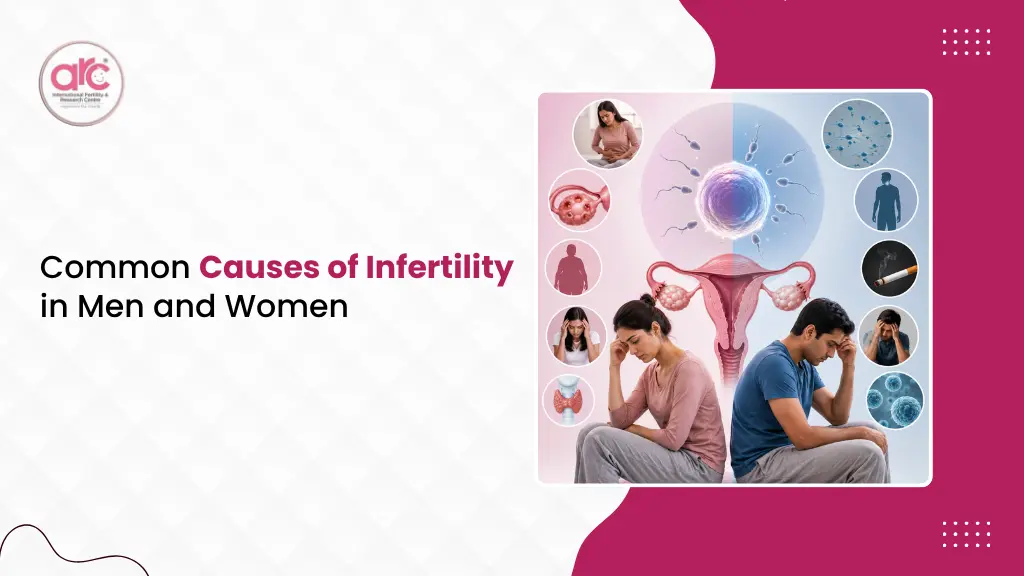
Hormonal imbalance, age, lifestyle habits, and conditions like PCOS or low sperm count sit behind most of the Common Causes of Infertility seen in men and women today. These factors don’t work the same way in both sexes, but between them, they explain the majority of fertility struggles couples face. More people in Chennai and across India are now asking questions about Infertility in Men and Women, and getting clear on these causes early tends to change how treatment turns out.
Here’s a closer look at what actually drives infertility, how the picture differs for men versus women, and when it’s time to talk to a specialist.
What Are The Common Causes of Infertility in Men and Women?
Hormonal issues, structural problems in the reproductive organs, and age come up again and again as the Common Causes of Infertility. They overlap in men and women, just not in identical ways.
A few causes both sexes share:
- Hormonal imbalance affecting egg or sperm production
- Blocked or damaged reproductive organs
- Chronic conditions like diabetes or thyroid disorders
- Long stretches of stress and disrupted sleep
Since more than one factor is usually at play, doctors typically test both partners before deciding on a treatment plan. Rarely does it come down to just one issue.
What Are The Common Causes of Infertility in Men?
Low sperm count and poor sperm motility top the list of causes behind male infertility. Without enough sperm that actually move well, conception becomes a much harder task, even when nothing else seems wrong.
A handful of other factors add to the problem:
- Varicocele, or swollen veins in the scrotum
- Erectile dysfunction or trouble with ejaculation
- Smoking, alcohol, and too much heat exposure
- Certain medications and past infections
Infertility in Men and Women gets treated as one shared issue far too often. Male infertility, though, calls for its own tests, and a semen analysis is usually where that starts.
What Are The Common Causes of Infertility in Women?
PCOS, blocked fallopian tubes, and irregular ovulation rank among the leading Common Causes of Infertility in women. Each one interferes with either releasing a healthy egg or, with guidance from an IVF centre in Avadi, getting it where it needs to go, which drops the odds of pregnancy without some form of treatment.
Other causes show up fairly often too:
- Endometriosis affecting the uterus or ovaries
- A drop in egg quality once a woman passes 35
- Thyroid imbalance throwing off the menstrual cycle
- Uterine fibroids or other structural issues
Symptoms can be mild, or absent altogether. That’s exactly why many women only find out about these issues after months of trying without success.
How Does Age Affect The Common Causes of Infertility?
Age ranks among the strongest of the Common Causes of Infertility, especially for women past their early thirties. Egg quality and quantity decline steadily as the years go by, and that decline picks up speed after 35.
| Factor | Effect on Women | Effect on Men |
| Egg or Sperm Quality | Declines noticeably after 35 | Declines gradually after 40 |
| Chromosomal Risk | Increases with age | Increases, though more slowly |
| Time To Conceive | Often longer with age | Slightly longer with age |
| Treatment Success | Higher when addressed early | Higher when addressed early |
Men aren’t immune to this either, the decline just tends to be slower. Waiting too long before seeking help remains one of the most avoidable reasons behind cases that go unresolved for years.
Can Lifestyle Habits Add To The Common Causes of Infertility?
Yes, and more than people usually expect. Smoking, drinking beyond moderate limits, poor diet, and a routine with little movement all chip away at hormone levels and reproductive health over time. At a trusted Madipakkam fertility centre, experts often see how these lifestyle habits can affect fertility, making early intervention and healthier choices important.
- Smoking lowers both sperm quality and ovarian reserve
- Obesity throws off hormone balance in men and women alike
- Heavy alcohol intake reduces fertility in both partners
- Chronic stress interferes with ovulation and sperm production
Small changes, kept up consistently, often improve outcomes well before any medical treatment is needed.
When Should You See A Doctor For Infertility in Men and Women?
See a doctor after a year of trying, or after six months if the woman is past 35. Waiting longer than that can chip away at how well certain treatments work, particularly the ones tied closely to age.
There’s reason to see a specialist sooner if there’s:
- Irregular or missing periods
- A history of pelvic infections or surgery
- Known problems with sperm count or motility
- A family history of early menopause or fertility issues
Catching the Common Causes of Infertility early gives couples more room to choose treatment and a better shot at success.
Where Can You Get Help For Infertility in Men and Women?
A fertility specialist can order the right tests to find the exact cause and suggest a treatment path that fits. An IVF clinic in Navalur that looks at Infertility in Men and Women as something both partners share, rather than pinning it on just one person, tends to land on more accurate diagnoses.
Couples in Chennai looking for this kind of care can consider ARC Fertility Chennai, which takes a team-based approach to evaluating and treating the Common Causes of Infertility.
Explore the common causes of infertility in men and women and follow us on Instagram & YouTube for expert fertility advice and updates.
Frequently Asked Questions
What are the most common causes of infertility overall?
Hormonal imbalance, low sperm count, PCOS, and blocked fallopian tubes rank among the most frequent causes.
Can stress cause infertility in men and women?
Yes, ongoing stress can disrupt ovulation and lower sperm quality over time.
At what age does fertility start declining?
Fertility in women often starts declining after 35, while men see a slower drop after 40.
Is infertility more common in men or women?
Both contribute in roughly equal measure, with male and female factors each behind close to half of all cases.
Can lifestyle changes improve fertility?
Yes, cutting back on smoking and alcohol, along with maintaining a healthy weight, often improves fertility outcomes.