Does Coughing During the Two-Week Wait Affect Implantation?
The two-week wait can make every body sensation feel important. A mild cramp, a sneeze, a cough, a headache, or even a restless night may trigger the same anxious question: “Did I just affect implantation?” If you are trying naturally, after IUI, or after an embryo transfer, this worry is very common.
The reassuring answer is that ordinary coughing during the two-week wait does not usually affect implantation. Implantation is a microscopic biological process that happens inside the uterus. It is not so fragile that a cough, sneeze, laugh, bend, or normal daily movement can dislodge an embryo. The uterus is a protected muscular organ, and the embryo is not sitting loosely in an open space where it can be “shaken out.”
That said, some situations around coughing do deserve attention. A mild cough is different from a high fever, severe chest infection, dehydration, or taking medicines without checking whether they are safe during early pregnancy attempts. Understanding the difference can help you stay calm without ignoring symptoms that need care.
What Actually Happens During Implantation?
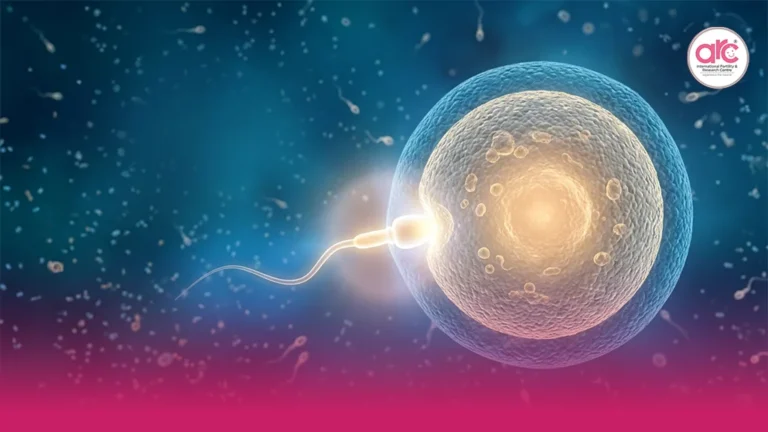
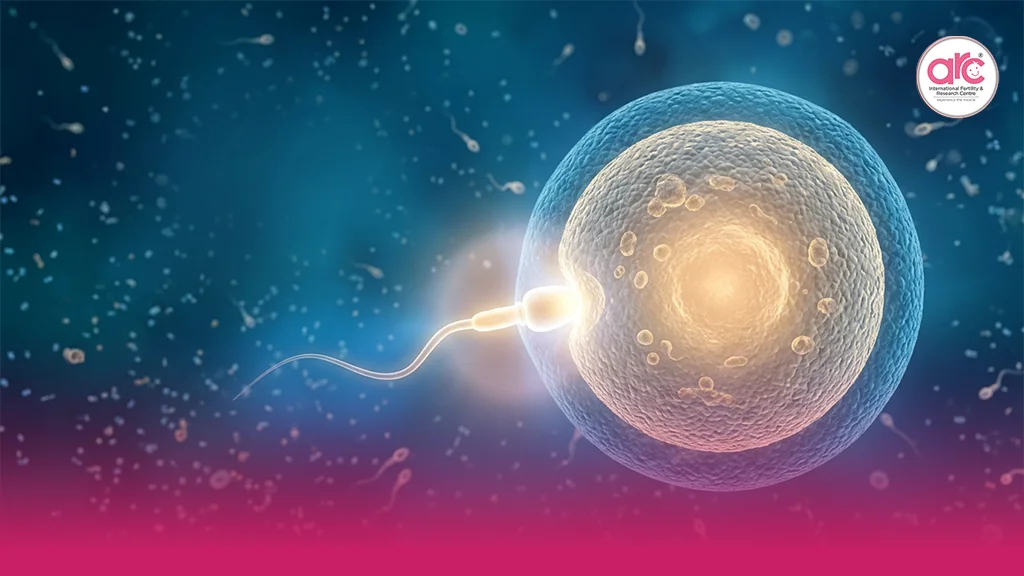
Implantation usually happens around 6 to 10 days after ovulation, though the timing may vary slightly. In IVF, the timing depends on the age of the embryo at transfer. A blastocyst, for example, may begin the implantation process sooner than an earlier-stage embryo.
During implantation, the embryo communicates with the endometrium, which is the inner lining of the uterus. The lining must be receptive, hormonally supported, and structurally healthy. This process involves cell signaling, attachment, and gradual embedding into the uterine lining. It is not controlled by external movement alone.
This is why fertility doctors focus more on factors such as embryo quality, endometrial thickness and pattern, hormone support, ovulation timing, uterine conditions, age, medical history, and lifestyle factors. For example, conditions affecting the uterine lining, such as endometrial polyps and implantation, may matter more clinically than a short episode of coughing.
Why Coughing Usually Does Not Disturb Implantation
Coughing can temporarily increase pressure in the abdomen. This is why some women worry that it may create pressure on the uterus. But the body is designed to tolerate far more movement than we often imagine during the two-week wait.
Women cough, sneeze, climb stairs, turn in bed, pass stool, travel short distances, and continue normal activities in cycles that end in pregnancy. Implantation happens at a cellular level, supported by the uterine environment. A cough does not reach the embryo in a direct mechanical way.
After embryo transfer, patients are often especially nervous because they remember seeing the embryo placed in the uterus during the procedure. But once the embryo is transferred, it is held within the uterine cavity, surrounded by natural fluids and protected by the uterus. Normal coughing is not considered a reason for implantation failure.
When Coughing Needs Medical Attention
While coughing itself is usually not harmful to implantation, the cause and severity of the cough may matter. You should contact your fertility doctor or physician if you have any of the following:
High fever: Fever can indicate infection, and persistent high temperature should not be ignored during the two-week wait or early pregnancy.
Severe cough with breathlessness: Difficulty breathing, wheezing, chest tightness, or low oxygen symptoms need prompt medical care.
Dehydration or inability to eat: If illness prevents you from drinking fluids or taking prescribed fertility medicines, your clinic should know.
Green or bloody sputum: This may suggest a stronger infection that needs assessment.
Unapproved medicines: Some cough syrups, cold tablets, decongestants, painkillers, and herbal remedies may not be suitable when pregnancy is possible. Always check before taking them.
The concern is not that coughing will “shake” the embryo, but that infection, fever, inflammation, or unsafe medication could create avoidable risk. At ARC Fertility Hospitals, patients are encouraged to ask before taking any medicine during fertility treatment, especially after IUI or embryo transfer.
What Can You Do Safely for a Mild Cough?
If your cough is mild, simple supportive care is often enough. Drink warm fluids, rest when you can, use steam inhalation if it suits you, and keep your room air comfortable. Honey in warm water may soothe the throat for many adults, unless your doctor has advised you to avoid it for a specific reason.
Avoid self-medicating with strong cough suppressants, antibiotic combinations, or over-the-counter cold medicines without guidance. Many women assume “common cold medicine” is harmless, but some preparations contain multiple ingredients. During the two-week wait, it is safer to ask your fertility team or doctor what is appropriate.
If you are on progesterone after IVF or IUI, continue it exactly as prescribed unless your doctor advises otherwise. If coughing makes you nauseous or you vomit after taking medicines, inform your clinic so they can guide you.
What If I Coughed Right After Embryo Transfer?
This is one of the most common fears after IVF. Some patients cough on the procedure table, in the car on the way home, or later that day and feel immediate panic. In most cases, this does not affect the embryo transfer outcome.
Embryo transfer is done using a thin catheter, and the embryo is gently placed inside the uterus. After that, implantation depends on embryo development and uterine receptivity. Normal body actions do not remove the embryo. This is also why prolonged bed rest is not routinely recommended after transfer in many fertility settings. Gentle, normal activity is usually acceptable unless your doctor has given you specific restrictions.
If you had severe coughing fits with pain, bleeding, fever, or breathing difficulty, call your clinic. But a few coughs after transfer are not considered a sign that the cycle has failed.
How to Think About Symptoms During the Two-Week Wait
The hardest part of the two-week wait is uncertainty. Many symptoms overlap. Progesterone can cause breast tenderness, bloating, sleepiness, constipation, mood changes, and mild cramps. Early pregnancy may cause similar feelings. A cold or cough can add fatigue and body ache, making interpretation even more confusing.
Try not to use symptoms as proof of success or failure. Some women who become pregnant have no symptoms. Some who experience many symptoms may not be pregnant that cycle. The most reliable answer comes from a pregnancy test at the correct time, especially a beta-hCG blood test when advised by your fertility specialist.
It also helps to focus on controllable factors: taking medicines on time, avoiding smoking and alcohol, eating balanced meals, staying hydrated, and asking your doctor before using medications. Broader health factors can influence fertility too, including metabolic health and weight; if this is a concern for you, you may find it helpful to understand how BMI can influence fertility and pregnancy chances.
When Should You Test?
Testing too early can create unnecessary stress. If you test before enough hCG has built up, the result may be negative even if implantation is happening. After natural conception or IUI, many doctors suggest testing around 14 days after ovulation or insemination. After IVF, your clinic will give a specific beta-hCG date based on embryo transfer timing.
Home pregnancy tests can be useful, but fertility treatment can complicate interpretation. If you used an hCG trigger shot, it may remain in the body for several days and cause a false positive if tested too early. This is why following your clinic’s test date matters.
Final Takeaway
So, does coughing during the two-week wait affect implantation? In most cases, no. A normal cough, sneeze, or brief coughing episode does not prevent an embryo from implanting. Implantation is influenced more by embryo health, uterine receptivity, hormonal support, timing, and underlying medical factors than by ordinary physical movements.
Still, do not ignore severe illness. If your cough is accompanied by high fever, breathlessness, chest pain, dehydration, heavy bleeding, or the need for medication, speak with your doctor. The goal is not to fear every symptom, but to respond wisely.
At ARC Fertility Hospitals, the two-week wait is understood not just as a medical interval, but as an emotional one. If you are worried about symptoms after ovulation, IUI, or embryo transfer, timely guidance can help you feel safer, calmer, and better supported while you wait for the right testing day.