Can a Man Have Normal Sperm Count but Still Be Infertile?
Yes, a man can have a normal sperm count and still face infertility. This can be confusing, especially for women who have already gone through cycle tracking, ovulation tests, blood work, or scans and are told, “His count is normal.” A normal count is reassuring, but it is only one part of male fertility.
Pregnancy needs more than the right number of sperm. The sperm must move well, have a healthy shape, carry good-quality genetic material, reach the egg at the right time, and successfully fertilise it. If any of these steps are affected, conception may take longer or may not happen without treatment support.
At ARC Fertility Hospitals, couples are encouraged to look at fertility as a shared evaluation, not as a woman-only concern. A “normal sperm count” should never end the investigation if pregnancy is not happening.
Why Sperm Count Alone Does Not Tell the Full Story
A basic semen analysis usually measures sperm concentration, total count, motility, morphology, semen volume, and sometimes pH or signs of infection. Many couples focus only on the count because it sounds simple: if there are enough sperm, pregnancy should happen. But fertility is more like a journey than a number.
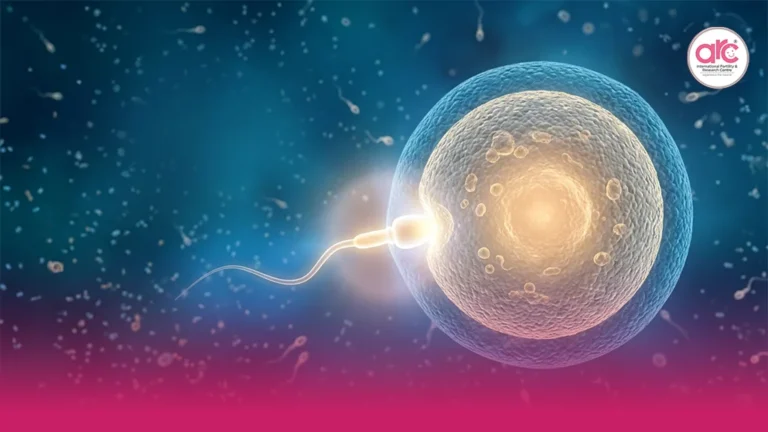
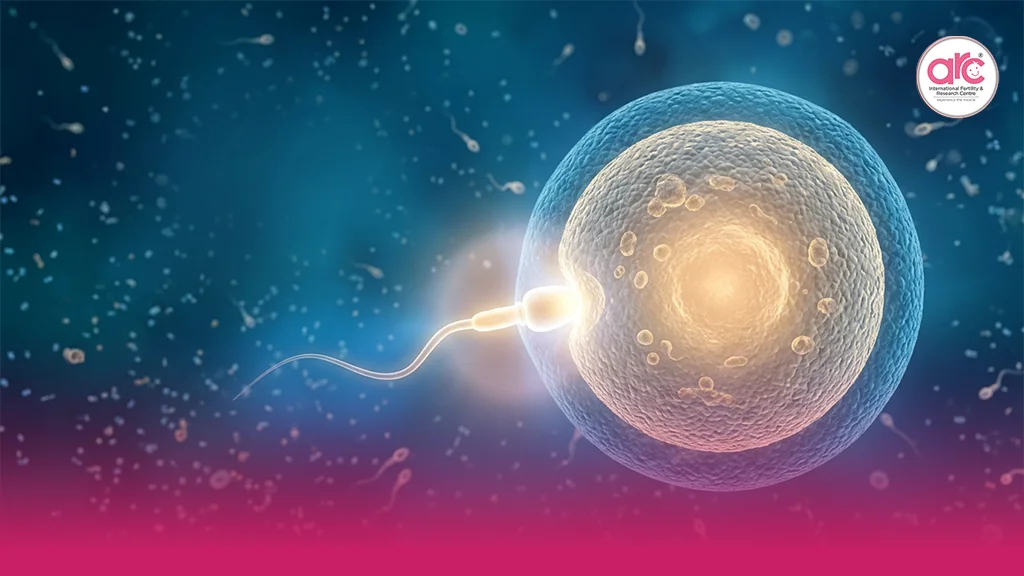
Sperm must travel through cervical mucus, pass through the uterus, reach the fallopian tube, recognise the egg, penetrate its outer layer, and support early embryo development. A normal count cannot prove that all these steps are working well.
This is why a fertility specialist may review the complete semen report, repeat the test if needed, and connect the findings with the woman’s age, ovulation pattern, fallopian tube status, egg reserve, and duration of infertility.
Common Reasons for Infertility Despite Normal Sperm Count
1. Poor Sperm Motility
Motility means how well sperm move. Even when the count is normal, sperm may not swim strongly or progressively enough to reach the egg. Some sperm move in circles, move slowly, or do not move at all. This can reduce the chance of natural conception.
Motility can be affected by smoking, alcohol, heat exposure, varicocele, infections, oxidative stress, long abstinence periods, certain medicines, or metabolic health issues. Treatment depends on the cause and severity. Sometimes lifestyle changes and medicines help; in other cases, IUI or IVF may be considered.
2. Abnormal Sperm Morphology
Morphology refers to sperm shape. A sperm with an abnormal head, midpiece, or tail may struggle to reach or fertilise the egg. Many men have some abnormal forms, and that is expected. The concern is when the percentage of normally shaped sperm is very low.
For a woman waiting month after month, this can feel frustrating because the report may still say the sperm count is within range. The deeper question is not just “how many sperm are present?” but “how many sperm are functionally capable?”
3. High Sperm DNA Fragmentation
Sperm DNA carries the genetic instructions needed after fertilisation. DNA fragmentation means the genetic material inside the sperm is damaged or broken. A man may have normal count, motility, and morphology, yet still have high DNA fragmentation.
This may be linked with recurrent pregnancy loss, poor embryo development, repeated IVF failure, or unexplained infertility. Causes can include varicocele, smoking, pollution, age, infections, fever, obesity, diabetes, heat exposure, and oxidative stress. Doctors may suggest antioxidant support, lifestyle correction, treating varicocele if present, or advanced sperm selection methods during IVF when appropriate.
4. Varicocele
A varicocele is an enlargement of veins around the testicle. It can increase scrotal temperature and oxidative stress, affecting sperm function even when the count appears normal. Some men have no symptoms; others may feel heaviness or discomfort.
If infertility continues, a fertility specialist or andrologist may recommend physical examination and scrotal ultrasound. Not every varicocele needs treatment, but when it is clinically significant and linked to poor sperm function, correcting it may improve fertility potential.
5. Infection or Inflammation
Past or current infections in the male reproductive tract can affect semen quality. Sometimes the semen report may show increased pus cells or other signs of inflammation. Infection can interfere with sperm movement, damage sperm membranes, and increase oxidative stress.
Because infections may not always cause obvious symptoms, couples should not wait for pain or fever before seeking evaluation. Timely testing can prevent months of uncertainty.
6. Erectile or Ejaculatory Difficulties
Fertility is not only about sperm production. If intercourse is not happening regularly during the fertile window, or if there are erection, ejaculation, or timing difficulties, conception chances can drop even with a normal sperm count.
Many couples feel uncomfortable discussing this, but fertility doctors handle these concerns routinely and respectfully. The goal is not blame; the goal is to identify what is quietly blocking pregnancy.
When the Female Partner’s Factors Also Matter
For women seeking answers, it is important to remember that normal sperm count does not rule out female fertility factors either. Ovulation, egg reserve, age, fallopian tube health, endometriosis, thyroid imbalance, PCOS, uterine polyps, fibroids, or hormonal changes can all affect conception.
If your cycles have changed suddenly or ovulation seems unpredictable, understanding why ovulation can stop suddenly may help you know when to seek medical support. Similarly, if your periods come very early, learning about short menstrual cycles and fertility can clarify whether egg reserve or hormonal patterns need evaluation.
This is why fertility testing works best when both partners are assessed together. A woman may be ovulating, and a man may have a normal sperm count, yet pregnancy may still be delayed because of subtle combined factors.
What Tests May Be Recommended Beyond Sperm Count?
If pregnancy has not happened after 12 months of regular unprotected intercourse, or after 6 months when the woman is over 35, it is wise to meet a fertility specialist. Depending on your history, the doctor may suggest repeat semen analysis, sperm motility and morphology review, sperm DNA fragmentation testing, semen culture, hormone tests, ultrasound for varicocele, and assessment of sexual function.
For the woman, evaluation may include ovulation tracking, AMH, thyroid and prolactin tests, pelvic ultrasound, tubal testing, and review of menstrual history. At a Fertiliy hospital in Chennai, the focus should be on understanding the couple’s complete fertility picture instead of treating one lab value in isolation.
IUI or IVF: Which Makes Sense When Count Is Normal?
If sperm count is normal but motility is mildly reduced, ovulation is regular, tubes are open, and the woman is younger, IUI may be considered. IUI places processed sperm closer to the egg around ovulation, improving timing and sperm delivery.
IVF may be considered when there are blocked tubes, advanced female age, low egg reserve, moderate to severe sperm function issues, high DNA fragmentation, endometriosis, repeated IUI failure, or unexplained infertility lasting a long time. If sperm fertilisation ability is a concern, IVF with ICSI may help by injecting a selected sperm directly into the egg.
There is no single “best” treatment for all couples. The right choice depends on age, test results, duration of infertility, previous pregnancies or losses, emotional readiness, and cost considerations.
What About Cost, Time, and Success?
Couples often ask whether they should keep trying naturally, attempt IUI, or move to IVF. This decision is personal and medical. IUI is usually less expensive and less intensive than IVF, but it may offer lower success per cycle. IVF costs more and takes more planning, but it allows doctors to observe eggs, sperm interaction, embryo development, and transfer timing more closely.
Most evaluations can begin within one menstrual cycle. Semen testing is simple, but repeat testing may be needed because sperm parameters can vary. Since sperm development takes about three months, lifestyle improvements may need time to show measurable change.
No responsible fertility centre can guarantee pregnancy. A good clinic will explain realistic chances, not pressure you into treatment. Couples looking for the Best Fertiliy hospital in Chennai should prioritise transparent counselling, clear diagnosis, ethical treatment planning, and emotional support.
What Can Men Do to Improve Sperm Function?
Men can support sperm health by stopping smoking, limiting alcohol, maintaining healthy weight, sleeping well, managing diabetes or thyroid problems, avoiding heat exposure to the testes, reducing steroid misuse, treating infections promptly, and following medical advice for varicocele or hormonal issues.
However, supplements alone should not replace diagnosis. If the female partner is over 35, or if infertility has already lasted a long time, waiting many months for lifestyle changes without a treatment plan may reduce valuable time.
The Takeaway
So, can a man have normal sperm count but still be infertile? Yes. Normal count is helpful, but it does not confirm normal sperm function. Motility, morphology, DNA quality, ejaculation, timing, infections, and female fertility factors all influence whether pregnancy happens.
If you are a woman carrying the emotional weight of delayed conception, a normal semen count should not make you feel that the problem must be yours. Fertility is a couple’s journey. The most helpful next step is a complete, compassionate evaluation that looks beyond assumptions and guides you toward the safest, most appropriate option.