Does Frequent Ejaculation Reduce Sperm Count?
When a couple is trying to conceive, even small everyday questions can start to feel important. One common worry many women quietly carry is: Does Frequent Ejaculation Reduce Sperm Count? If you and your partner are timing intercourse around ovulation, it is natural to wonder whether having sex too often could “use up” sperm or reduce your chances that month.
The reassuring answer is that frequent ejaculation does not usually damage sperm production or permanently reduce sperm count. The male body keeps producing sperm continuously. However, ejaculation frequency can temporarily affect the semen sample seen on a test: volume may be lower, and sperm concentration may appear reduced if ejaculation happens very frequently. That does not always mean fertility is poor.
For couples, the more useful question is not simply “how often is too often?” but “what timing gives healthy sperm the best chance to meet the egg?” Understanding that difference can reduce anxiety and help you plan with more confidence.
What Happens to Sperm After Frequent Ejaculation?
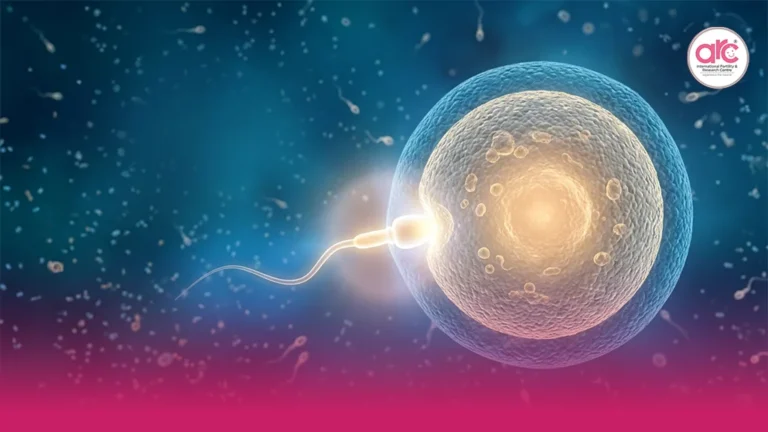
Sperm are produced in the testes and mature over several weeks. Once mature, they are stored in the reproductive tract until ejaculation. If a man ejaculates several times within a short period, the body may have less stored semen available immediately. This can lead to a lower semen volume and sometimes a lower sperm concentration in that particular ejaculation.
But this is usually temporary. It does not mean the testes have stopped making sperm. After a short rest period, semen volume and sperm concentration often rise again. This is why fertility specialists usually ask for a specific abstinence period before semen analysis, commonly around two to five days depending on lab protocol.
There is also another side to the story. Very long abstinence may increase semen volume or total sperm count, but it may not always improve sperm quality. Older stored sperm may have reduced motility in some men, and sperm DNA quality can be affected. So, trying to “save up” sperm for too long is not always helpful.
For Conception, Timing Matters More Than Saving Sperm
If you are trying naturally, intercourse every one to two days during the fertile window is generally a sensible rhythm for many couples. It keeps sperm available when ovulation is near without turning intimacy into a stressful schedule. Since sperm can survive in the female reproductive tract for a few days, pregnancy can happen when intercourse occurs before ovulation, not only on the exact day of ovulation.
For women, this matters because the fertile window is short. If cycles are irregular, very short, or ovulation is unpredictable, the couple may spend months timing intercourse without truly knowing whether the egg is being released. If you have noticed sudden cycle changes, missed ovulation signs, or unexpected delays, it may help to understand why ovulation can stop suddenly before assuming sperm frequency is the main issue.
Similarly, a short cycle can make timing feel confusing. Some women ovulate earlier than expected, which means waiting too long between attempts may miss the fertile days. If your periods come unusually close together, reading about short menstrual cycles and fertility can give helpful context.
Does Daily Ejaculation Lower Fertility?
Daily ejaculation may reduce sperm concentration in some men, especially if semen parameters are already borderline. But in men with normal sperm production, daily intercourse around ovulation does not usually prevent conception. In fact, for some couples, regular ejaculation may support better sperm freshness and motility.
The concern becomes more relevant when a semen analysis already shows low sperm count, poor motility, abnormal morphology, or high DNA fragmentation. In such cases, a fertility specialist may suggest a more personalised plan, such as intercourse every other day, a planned abstinence window before semen testing, or assisted fertility options depending on both partners’ results.
It is important not to place the full emotional burden on either partner. Fertility is shared. A woman may be ovulating well while male sperm parameters need support, or semen may be normal while ovulation, tubes, egg reserve, or uterine factors need attention. Often, the answer is found only when both partners are evaluated together.
When Should a Couple Consider a Semen Analysis?
A semen analysis is a simple but meaningful first step when pregnancy is taking longer than expected. Couples may consider it if they have been trying for 12 months under age 35, or after 6 months if the woman is 35 or older. Earlier testing is also reasonable if there is a history of testicular surgery, varicocele, diabetes, infections, sexual difficulties, chemotherapy, smoking, heavy alcohol use, or previous abnormal semen results.
A single semen report should not create panic. Sperm count can vary from sample to sample because of fever, illness, stress, sleep, medications, heat exposure, and ejaculation interval. Doctors often repeat the test before making decisions. The report is interpreted by looking at count, motility, morphology, semen volume, and sometimes additional tests if needed.
At ARC Fertility Hospitals, evaluation is approached with both medical clarity and emotional sensitivity. A couple may come in worried about one question, such as ejaculation frequency, but the consultation usually looks deeper: ovulation pattern, ovarian reserve, semen parameters, lifestyle factors, previous pregnancies, miscarriages, age, and how long the couple has been trying. If you are looking for a Fertiliy hospital in Chennai, choosing a centre that evaluates both partners together can make the process feel less blaming and more solution-focused.
Can Lifestyle Improve Sperm Count?
In some men, sperm parameters improve when correctable factors are addressed. Stopping smoking, reducing alcohol, improving sleep, managing weight, treating infections, controlling diabetes, reducing heat exposure to the testes, and reviewing medications can help. Antioxidants or supplements may be advised in selected cases, but they should not replace medical evaluation.
Sperm development takes time, so improvements usually take around three months or more to reflect in a semen test. This waiting period can feel frustrating, especially for women who are tracking every cycle. That is why doctors balance lifestyle changes with age, ovarian reserve, duration of infertility, and semen severity before deciding whether to continue naturally, try IUI, or move to IVF or ICSI.
IUI, IVF, or ICSI: How Sperm Count Affects Treatment
If sperm count is mildly reduced and the woman’s tubes are open with regular ovulation, IUI may be considered. In IUI, prepared sperm are placed inside the uterus around ovulation. It is less invasive than IVF, but success depends on age, sperm quality, ovulation, and other factors.
IVF may be advised when there are additional female factors, blocked tubes, advanced reproductive age, long duration of infertility, or repeated IUI failure. If sperm count or motility is severely low, ICSI may be used, where a single sperm is injected into an egg in the lab. None of these treatments can guarantee pregnancy, but they can improve the chance of sperm and egg meeting under controlled conditions.
Cost concerns are valid. The expense depends on investigations, medicines, procedure type, lab techniques, and whether advanced options such as ICSI, embryo freezing, or genetic testing are needed. A responsible clinic should explain why a treatment is recommended, what alternatives exist, and what costs are expected before the couple begins.
What Is the Best Ejaculation Gap Before Fertility Treatment?
Before semen analysis or sperm collection for IUI or IVF, clinics usually recommend a short abstinence period, often two to five days. This gives a more standard sample for assessment. But the right interval can vary depending on sperm quality and the treatment plan. Some men with high DNA fragmentation may be advised shorter abstinence; others may need a slightly longer gap.
This is why general internet advice can only go so far. If you are preparing for fertility treatment, follow the instructions from your fertility team rather than guessing. For couples seeking the Best Fertiliy hospital in Chennai, the most useful care is not just advanced technology; it is personalised timing, honest counselling, and clear interpretation of both male and female factors.
The Bottom Line
Frequent ejaculation can temporarily reduce semen volume or sperm concentration in one sample, but it does not usually reduce long-term sperm production. For most couples, intercourse every one to two days during the fertile window is reasonable. Avoiding ejaculation for too long is not always better, and daily intercourse is not automatically harmful.
If pregnancy is not happening, do not rely on timing changes alone for too many months. A semen analysis, ovulation assessment, ovarian reserve testing, and a structured fertility consultation can identify the real reason and guide the next step. Fertility care works best when it reduces confusion, protects emotional wellbeing, and helps both partners move forward together.