Can taking ibuprofen delay or stop your ovulation?
Ibuprofen and Ovulation is a topic many women search for when they are trying to conceive. If you are wondering whether taking ibuprofen can delay or stop ovulation, the short answer is that occasional use is unlikely to affect fertility, but frequent or high-dose use around ovulation may interfere with the release of an egg. Many women take ibuprofen for period pain, headaches, muscle aches, or pelvic discomfort. Then comes the worry: can taking ibuprofen delay or stop your ovulation?
The honest answer is: occasional ibuprofen use is unlikely to stop ovulation in most women, but repeated or higher-dose use around the fertile window may interfere with ovulation in some cases. This is because ibuprofen belongs to a group of medicines called NSAIDs, which can affect prostaglandins—natural chemicals involved in inflammation, pain, and also the final release of the egg from the follicle.
At ARC Fertility Hospitals, we often meet women who are not looking for alarm, but for clarity. The goal is not to panic over one tablet. The goal is to understand when pain relief is harmless, when it may be worth avoiding, and when a fertility evaluation can give you better answers.
How ovulation normally happens
Ovulation is not just an egg “appearing” each month. It is a carefully timed process. In the first half of the menstrual cycle, a follicle grows inside the ovary. As it matures, estrogen rises. When the body senses that the egg is ready, the brain releases a surge of luteinizing hormone, commonly called the LH surge.
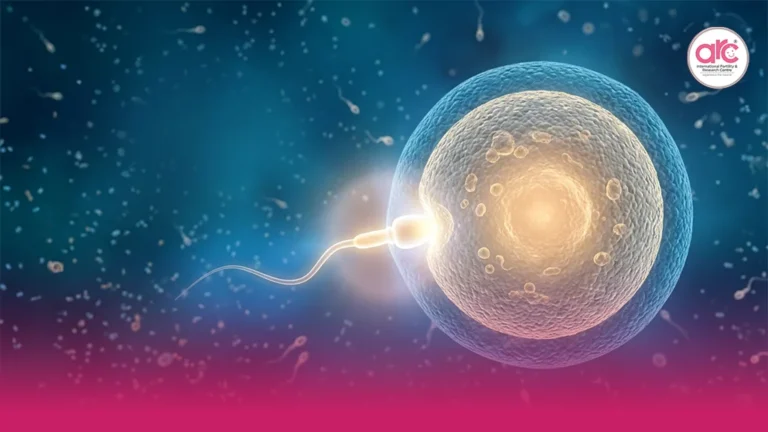
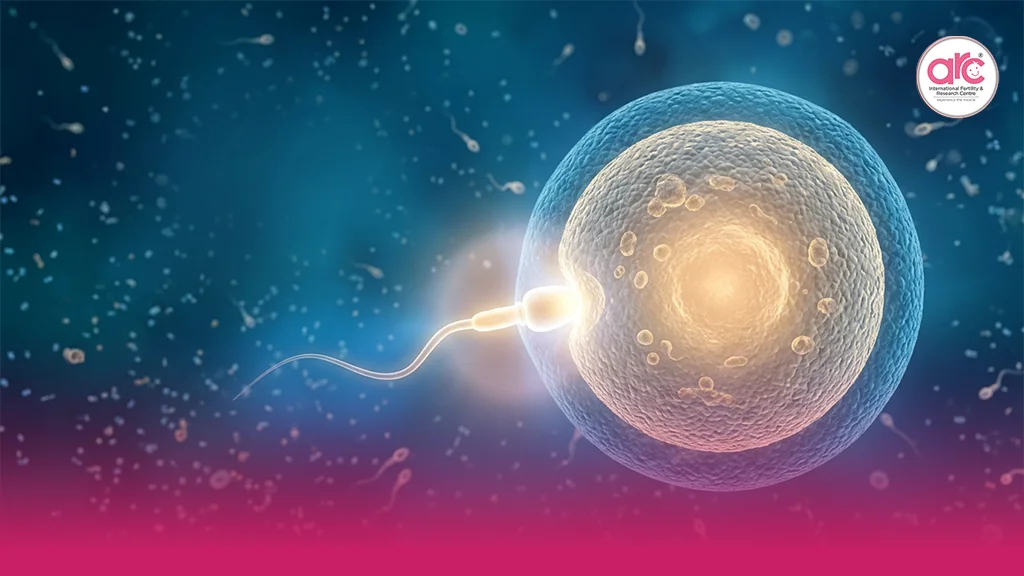
This LH surge triggers the final steps: the follicle wall weakens, enzymes and prostaglandins help the follicle rupture, and the egg is released. The egg then enters the fallopian tube, where fertilisation may happen if sperm are present at the right time.
This is why timing matters. You can have regular periods and still feel unsure about whether ovulation is happening properly. If you have cycle changes, confusing ovulation test results, or repeated difficulty timing intercourse, it may help to understand the signs of anovulatory cycles before assuming the issue is only medicine-related.
Why ibuprofen may affect ovulation
Ibuprofen reduces pain and inflammation by blocking enzymes called COX enzymes. These enzymes help produce prostaglandins. For period cramps or body pain, lowering prostaglandins can be helpful. But around ovulation, prostaglandins are part of the mechanism that helps the follicle rupture.
In some women, NSAID use near ovulation may lead to a situation where the follicle matures but does not rupture as expected. This is sometimes described as a luteinized unruptured follicle. In simple words, the body may behave as if ovulation is progressing, but the egg may not actually be released at the right time.
This does not mean every woman who takes ibuprofen will miss ovulation. Fertility is rarely that simple. Dose, timing, frequency of use, your natural cycle pattern, age, hormone balance, and underlying conditions like endometriosis or chronic pelvic pain can all influence the outcome.
Is one ibuprofen tablet during the fertile window dangerous?
For most women, a single occasional dose is unlikely to cause a major fertility problem. The bigger concern is frequent NSAID use, higher doses, or taking ibuprofen continuously during the days just before ovulation. That is the stage when the follicle is preparing to rupture.
If you took ibuprofen once and later realised you were close to ovulation, try not to blame yourself. Fertility journeys already carry enough emotional pressure. One tablet is not usually the reason a cycle fails. But if you regularly need painkillers every cycle, especially around mid-cycle, it is worth discussing safer options with a doctor.
When should you avoid ibuprofen while trying to conceive?
If you are actively trying for pregnancy, it is sensible to be cautious with ibuprofen during the fertile window, especially from a few days before expected ovulation until ovulation is confirmed. This is not because ibuprofen is “toxic” to fertility, but because ovulation depends on inflammatory-like processes that NSAIDs can temporarily suppress.
You may want to speak to a fertility specialist if:
• You take ibuprofen often for pelvic pain, migraine, arthritis, or severe cramps.
• Your ovulation tests are positive but your cycles still feel unpredictable.
• You have irregular periods or long cycles.
• You are over 35 and have been trying for six months or more.
• You have known endometriosis, PCOS, fibroids, or previous pelvic infection.
• You are preparing for IUI or IVF and are unsure which pain medicines are safe.
For women comparing natural trying, IUI, and IVF, medication timing can feel especially confusing. A consultation at a Fertility Hospital in Chennai can help you understand not only ovulation timing, but also whether your tubes, sperm parameters, ovarian reserve, and uterine lining are all supporting conception.
What can you take instead for pain relief?
Do not stop prescribed medication without medical advice, especially if you take NSAIDs for a chronic condition. But if you are using ibuprofen casually while trying to conceive, ask your doctor whether paracetamol/acetaminophen is a better short-term option for your situation. Many fertility doctors prefer it during the ovulation window because it does not work in the same prostaglandin-blocking way as NSAIDs.
For period cramps, heat therapy, hydration, gentle stretching, and evaluation for underlying causes may also help. Severe pain should not be normalised. If you need strong pain relief every month, the question is not only “Which tablet is safe?” but also “Why is this pain happening?” Endometriosis, adenomyosis, fibroids, ovarian cysts, or pelvic inflammation may need proper diagnosis.
Does ibuprofen affect implantation or early pregnancy?
The evidence around NSAIDs, implantation, and very early pregnancy is complex, and recommendations may vary depending on your medical history. Many doctors advise avoiding unnecessary NSAIDs after ovulation if pregnancy is possible, unless specifically recommended. This is because the second half of the cycle involves implantation-related changes, uterine blood flow, and hormone-sensitive processes.
If you are in an IVF cycle, do not self-medicate. IVF protocols are carefully timed, and even common medicines should be cleared by your fertility team. Pain after egg retrieval, cramps after embryo transfer, or headaches during hormone treatment should be managed with clinic-approved medicines.
How doctors check whether ovulation is actually happening
If you are worried that ibuprofen or another factor is affecting ovulation, doctors do not rely only on guesswork. They may suggest cycle tracking with ultrasound follicular monitoring. This shows whether a follicle is growing and whether it ruptures. Blood tests may also be used to check hormones such as AMH, FSH, LH, estradiol, thyroid levels, prolactin, and progesterone.
Sometimes the issue is not ovulation alone. A woman may be ovulating, but conception may still not happen because of blocked fallopian tubes, sperm issues, low ovarian reserve, or uterine factors. This is why fertility evaluation is usually couple-based, not focused only on the woman.
Trying at the right time also matters. If you are unsure how to plan intercourse around ovulation without turning your relationship into a schedule, this guide on the best time to try to conceive may help you think about timing more calmly.
What if you need fertility treatment?
Needing help does not mean your body has failed. Sometimes the fastest route to clarity is a structured evaluation. If ovulation is irregular, doctors may start with lifestyle review, hormone correction, ovulation induction tablets or injections, and timed intercourse. If sperm count is mildly reduced or timing is difficult, IUI may be considered. If there are blocked tubes, severe male factor infertility, advanced age, low ovarian reserve, or repeated failed simpler treatments, IVF may be more appropriate.
Cost is also a real concern. Many couples delay consultation because they fear they will be pushed directly into IVF. A responsible fertility clinic should explain the reason for every test and treatment step, including whether simpler options are still reasonable. The right plan depends on diagnosis, age, duration of infertility, ovarian reserve, semen analysis, and previous treatment history—not fear.
If you are looking for guidance from the Best Fertility Hospital in Chennai, the most useful first step is not to arrive with perfect answers. It is to arrive with your cycle details, medication history, pain pattern, and how long you have been trying. Those details can help your doctor decide whether ibuprofen is a minor factor or a clue pointing to something deeper.
Key takeaway
Ibuprofen can potentially delay ovulation or interfere with follicle rupture when used repeatedly or in higher doses around the fertile window. But an occasional tablet is unlikely to stop your fertility journey. If you are trying to conceive, avoid unnecessary NSAID use around ovulation, ask your doctor about safer pain relief, and seek evaluation if your cycles are irregular, painful, or unsuccessful despite well-timed attempts.
Fertility care is not about blaming one medicine or one cycle. It is about understanding the whole picture with patience, evidence, and compassionate medical guidance.