Can Using the Toilet After Embryo Transfer Affect Implantation?
If you have just had an embryo transfer, it is completely understandable to question every movement your body makes. Many women sit in the recovery area wondering whether they should walk, cough, sneeze, bend, or use the toilet. One of the most common fears is simple but emotionally heavy: can using the toilet after embryo transfer affect implantation?
The reassuring answer is no. Passing urine or stool after embryo transfer does not push the embryo out, dislodge it, or reduce the chance of implantation. Your embryo is placed inside the uterus, while urine passes through the bladder and stool passes through the rectum. These are separate organs. The uterus does not open into the toilet pathway, and the embryo cannot simply fall out when you use the bathroom.
At ARC Fertility Hospitals, this fear is heard often, especially from women who have waited months or years for this moment. The concern is not irrational. After injections, scans, egg retrieval, fertilisation updates, and days of hope, it is natural to feel protective. But knowing what is happening inside the body can make the two-week wait a little less frightening.
Why the Embryo Does Not Fall Out After Transfer
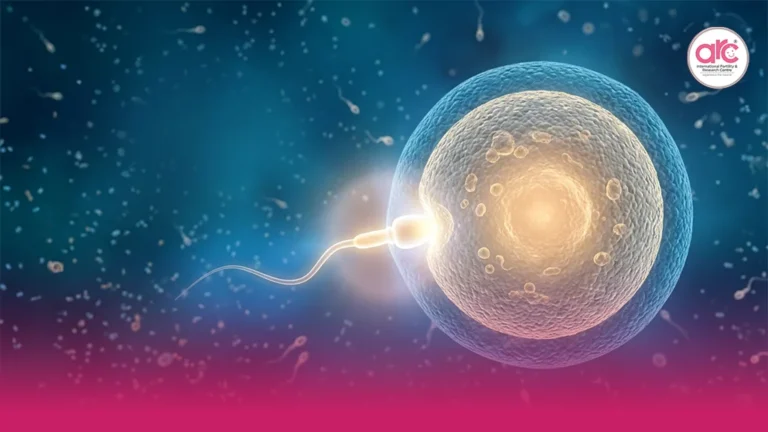
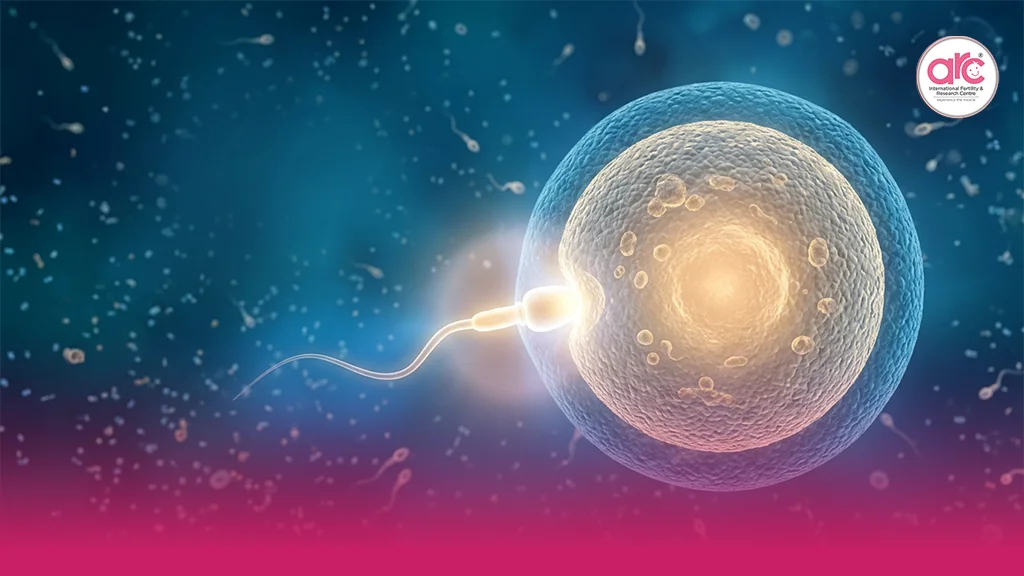
During embryo transfer, the doctor gently places the embryo into the uterine cavity using a thin catheter. After that, the uterus is not like an open tube. Its walls are soft and naturally touch each other, creating a protected space. The embryo is microscopic and surrounded by a tiny amount of culture fluid. It does not behave like a loose object that can slip out with gravity.
The cervix, which is the lower opening of the uterus, also remains mostly closed. Normal toilet use does not create pressure strong enough to force an embryo out of the uterus. Even when you urinate, strain mildly, cough, or stand up, the embryo stays within the uterine environment where implantation may take place if the biological conditions are suitable.
This is why most fertility clinics do not advise strict bed rest after embryo transfer. A short rest at the clinic may be given for comfort, but prolonged lying down has not been shown to improve implantation in routine cases. In fact, gentle normal activity can help blood circulation and reduce anxiety.
What Actually Affects Implantation?
Implantation is a quiet, complex process. It depends on several factors working together, not on whether you used the toilet. The most important influences include embryo quality, uterine lining receptivity, hormonal support, timing of transfer, and underlying health conditions such as thyroid imbalance, uncontrolled diabetes, uterine polyps, fibroids affecting the cavity, or immune and clotting factors in selected cases.
Embryo quality matters because the embryo must continue developing after transfer. Uterine lining receptivity matters because the lining must be hormonally prepared to allow attachment. Progesterone support is also important in many IVF cycles because it helps maintain the lining during the implantation window. This is why your fertility doctor gives specific medicines after transfer and asks you not to stop them unless advised.
It also helps to remember that each IVF stage has its own type of uncertainty. Before transfer, some couples worry about fertilisation, especially if they have previously faced failed fertilisation after egg retrieval. Others may have concerns after stimulation, such as bloating or discomfort related to OHSS after egg retrieval. After transfer, the anxiety often shifts to implantation. Different stages bring different questions, and each deserves calm, medically clear guidance.
Should You Empty Your Bladder After Embryo Transfer?
Many embryo transfers are done with a comfortably full bladder because it can help the ultrasound view and may make catheter placement easier. Once the transfer is completed and your clinic allows you to get up, you can usually empty your bladder without worry. Holding urine for too long may make you uncomfortable, increase pelvic pressure, and add unnecessary stress.
If you feel the urge to urinate soon after transfer, tell the nursing team. They will guide you based on your clinic protocol. But medically, urination itself does not interfere with implantation. You do not need to hold your bladder for hours to protect the embryo.
What About Passing Stool or Mild Straining?
Constipation is common during IVF because of progesterone medicines, reduced activity, stress, and sometimes dehydration. Many women worry that passing stool will create pressure on the uterus. Normal bowel movements are safe after embryo transfer. Mild straining is unlikely to affect implantation.
However, severe constipation can be uncomfortable and emotionally distressing during the two-week wait. Instead of fearing the toilet, focus on preventing hard stools. Drink enough water, include fibre-rich foods, walk gently if your doctor permits, and ask your fertility team before taking any laxative or stool softener. Do not self-medicate, especially after IVF, because your doctor will choose options that are safe for your treatment plan.
Do You Need Bed Rest After Embryo Transfer?
For most women, complete bed rest is not required after embryo transfer. Your doctor may recommend taking it easy for the rest of the day, but that usually means avoiding heavy lifting, intense workouts, intercourse if advised, and stressful overexertion. It does not mean you must remain frozen in one position.
You can usually walk to the bathroom, eat meals, sit, sleep on your side, and move gently around the house. The goal is not to control every movement. The goal is to create a supportive environment while allowing your body to function normally. Implantation is not improved by fear; it is supported by following medicines correctly, attending follow-ups, and staying alert to symptoms that need medical attention.
When Should You Call Your Fertility Doctor?
Although toilet use is safe, some symptoms after embryo transfer should be discussed with your fertility team. Call your doctor if you have heavy bleeding, severe abdominal pain, fever, foul-smelling discharge, difficulty passing urine, severe bloating, vomiting, breathlessness, or sudden worsening pelvic discomfort. Light spotting, mild cramps, breast tenderness, and bloating can occur due to medicines and do not always mean success or failure, but your clinic should guide you if you are unsure.
Also avoid interpreting every symptom as a sign. Some women feel many symptoms and have a negative test. Others feel almost nothing and become pregnant. The body does not always give clear signals before the pregnancy test. This uncertainty is difficult, but it is part of the process.
Practical Care Tips After Embryo Transfer
Take medicines exactly as prescribed, especially progesterone and any hormonal support. Do not stop them because of spotting unless your doctor tells you to. Eat balanced meals, stay hydrated, and avoid smoking, alcohol, and unnecessary medications. Keep physical activity gentle unless your fertility specialist has given different instructions.
Try to reduce online searching during the two-week wait, especially forums that turn normal body functions into threats. If a question keeps returning to your mind, ask your clinic directly. A short, clear answer from your care team can prevent days of silent worry.
Emotionally, it may help to remind yourself: using the toilet is not a test of whether implantation will happen. Your body is not so fragile that one normal act can undo the transfer. The embryo is in the uterus, and implantation depends on biological readiness, not bathroom visits.
The Bottom Line
Can using the toilet after embryo transfer affect implantation? No, normal urination or bowel movements do not affect implantation and do not make the embryo fall out. The uterus, bladder, and rectum are separate structures, and the embryo is placed safely inside the uterine cavity.
After embryo transfer, the most helpful approach is to follow your fertility doctor’s instructions, take medicines on time, avoid unnecessary strain, and seek medical advice if concerning symptoms appear. At ARC Fertility Hospitals, the focus is not only on advanced IVF care but also on helping women feel informed, reassured, and supported through every uncertain step of treatment.