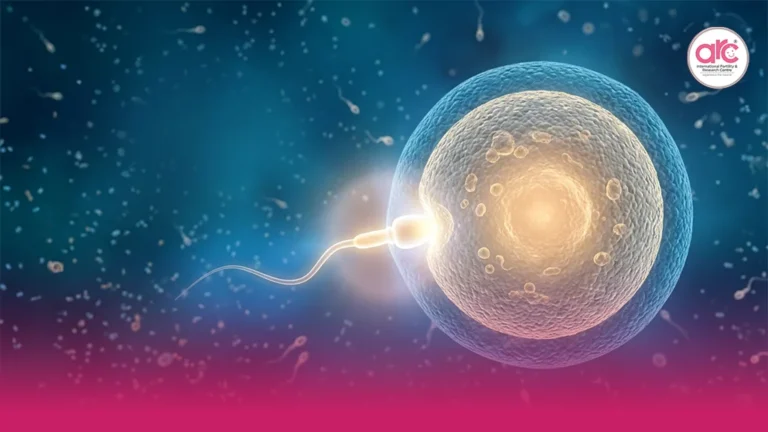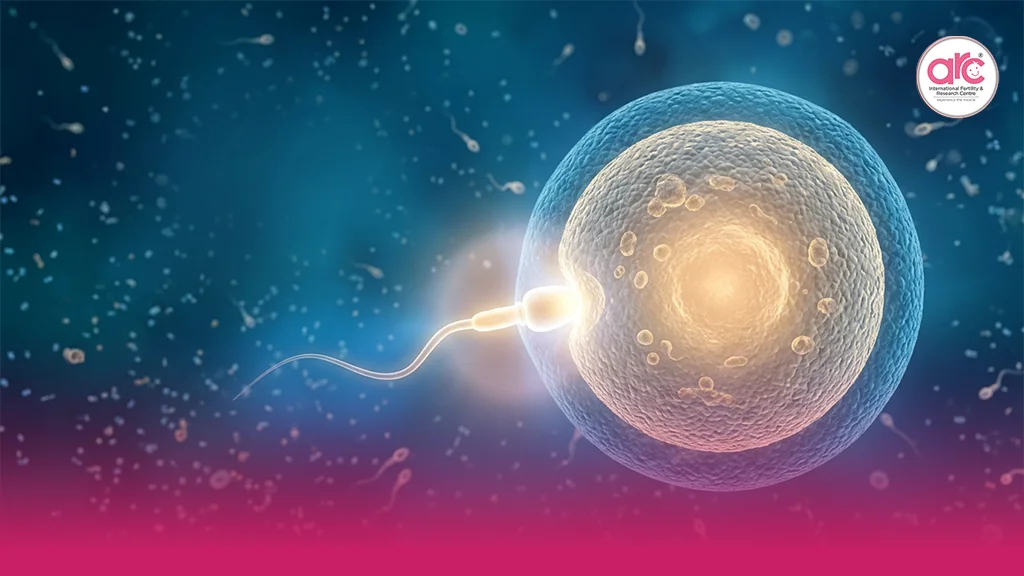
Can using saliva as lube kill sperm or prevent pregnancy? It is one of the most common but least discussed fertility questions among couples trying to conceive. While saliva is not sperm-friendly and may reduce sperm movement, it is not a reliable method of contraception. Understanding how saliva affects sperm can help you make informed decisions whether you are planning a pregnancy or trying to avoid one. The short answer is that saliva is not sperm-friendly and may reduce sperm movement, but it should not be treated as a reliable way to prevent pregnancy. If sperm enters the vagina around ovulation, pregnancy can still happen.
For couples trying to conceive, small details can start to feel very important. Timing intercourse, tracking ovulation, noticing cervical mucus, and wondering whether a lubricant helps or harms sperm can all become part of the monthly routine. Saliva may feel natural and convenient, especially during intimacy, but from a fertility point of view, it is not the best choice.
Why saliva may not be good for sperm
Sperm are sensitive cells. To move from the vagina through the cervix and toward the fallopian tube, they need a supportive environment. Around ovulation, the body naturally produces cervical mucus that is slippery, stretchy, and more sperm-friendly. This mucus helps sperm survive and swim better.
Saliva is different. It is made for the mouth, not the reproductive tract. Its pH, enzymes, and consistency are not designed to support sperm. Some laboratory studies have shown that saliva can reduce sperm motility, which means sperm may not swim as well after coming into contact with it. If sperm movement is already borderline due to male factor infertility, this effect may matter more.
Saliva may also introduce oral bacteria into the vaginal area. For most healthy women, this may not cause a major issue every time, but repeated use can disturb the vaginal environment in some people. If you are prone to vaginal infections, irritation, itching, unusual discharge, or recurrent bacterial imbalance, it is better to avoid saliva as a lubricant.
Does saliva kill all sperm immediately?
No, saliva does not necessarily kill every sperm instantly. This is where many online answers become confusing. Saliva may harm sperm quality or slow sperm movement, but it is not a guaranteed spermicide. Some sperm may still remain alive and capable of moving, especially if ejaculation happens inside the vagina and only a small amount of saliva was used.
This distinction matters. If you are trying to avoid pregnancy, saliva is not contraception. It does not work like condoms, birth control pills, copper-T, hormonal contraception, or medically approved spermicides. Depending on your fertile window, sperm quality, and whether semen entered the vagina, pregnancy may still be possible.
If you are trying to conceive, however, the advice is different: avoid anything that may make sperm movement harder. Fertility often depends on many small factors working together. Saliva alone may not be the only reason pregnancy is delayed, but it is a modifiable habit that can be changed easily.
Can saliva prevent pregnancy?
Saliva should never be used with the intention of preventing pregnancy. It may reduce sperm motility in some situations, but it cannot be relied upon to stop conception. Women sometimes worry after unprotected sex and wonder whether saliva used during foreplay may have protected them. The honest answer is no; if unprotected intercourse occurred during the fertile window, pregnancy is possible.
If pregnancy prevention is your concern, speak with a doctor about suitable contraceptive options. If unprotected sex happened recently and pregnancy is not desired, emergency contraception may be time-sensitive. Do not wait based on the assumption that saliva has reduced the risk enough.
What if you are actively trying to conceive?
If you are trying for pregnancy, it is better not to use saliva as lubricant. Many couples use it because vaginal dryness can happen even when desire is present. Stress, hormonal changes, breastfeeding, certain medications, long trying-to-conceive cycles, and pressure around timed intercourse can all reduce natural lubrication.
This does not mean something is wrong with you. It simply means your body may need support. But the type of support matters. Choose a lubricant labelled fertility-friendly or sperm-friendly. These are usually designed to be closer to the pH and osmolality that sperm tolerate better. Even then, use only the amount needed, because too much lubricant of any type may create a barrier for sperm movement.
Couples also sometimes focus only on intercourse timing and forget the wider fertility picture. If cycles are irregular, ovulation is uncertain, periods are very painful, or intercourse has been timed well for several months without pregnancy, evaluation may be more useful than changing lubricant alone. For practical timing guidance, you may find this ARC article on the best time to try to conceive helpful.
When should you worry about lubricant and fertility?
Lubricant choice becomes more important when pregnancy has not happened after a reasonable period of trying. For women under 35, doctors often suggest evaluation after 12 months of regular unprotected intercourse. For women 35 and above, it is better to seek help after 6 months. Earlier consultation is advisable if you have irregular cycles, known PCOS, endometriosis, fibroids, previous pelvic infection, blocked tubes, recurrent miscarriage, or if your partner has known sperm issues.
In fertility clinics, doctors do not usually blame one habit alone. They look at the complete picture: ovulation, egg reserve, fallopian tube status, uterine health, semen parameters, age, lifestyle factors, and how long the couple has been trying. Saliva as lube may be one small factor, but fertility decisions should not be based on guesswork.
For example, if semen analysis shows low motility, avoiding saliva and non-fertility-friendly lubricants becomes more relevant. If you and your partner are trying to understand sperm count, motility, and morphology, this guide on how to read a semen analysis report can help you ask clearer questions during consultation.
Does this mean you need IUI or IVF?
Not because of saliva use alone. Many couples conceive naturally after correcting timing, treating ovulation problems, improving sperm health, or addressing infections. IUI may be considered when sperm count or motility is mildly affected, ovulation needs support, or intercourse timing is difficult. IVF may be recommended when tubes are blocked, sperm parameters are severely affected, age-related fertility decline is significant, endometriosis is advanced, or previous simpler treatments have not worked.
This is why a fertility evaluation matters. It helps doctors avoid both under-treatment and over-treatment. A couple may only need cycle tracking and ovulation support. Another couple may lose valuable time if they continue trying naturally despite blocked tubes or very low sperm motility. The right path depends on diagnosis, age, duration of infertility, and emotional readiness.
What should you use instead?
If lubrication is needed while trying to conceive, use a fertility-friendly lubricant and avoid saliva, petroleum jelly, oils, scented products, or regular lubricants unless your doctor says they are safe for sperm. Also avoid douching or washing inside the vagina after intercourse, as this can disturb the natural environment and may reduce the chance of sperm moving through the cervix.
If dryness is frequent, painful, or associated with burning, it should be discussed with a gynecologist. Sometimes vaginal dryness is linked to infection, low estrogen, medication use, stress, or hormonal imbalance. Treating the cause can improve comfort as well as intimacy.
Emotional side of timed intimacy
Many women quietly carry guilt about small things: using saliva, missing the fertile day, getting up too soon after intercourse, or feeling stressed during ovulation week. Fertility does not work in such a simple one-cause, one-result way. If pregnancy has not happened yet, it does not mean you caused it by one intimate habit.
At the same time, it is reasonable to remove avoidable obstacles. Avoiding saliva as lube is a simple, low-cost change. It will not guarantee pregnancy, but it supports a more sperm-friendly environment. That is often how fertility care works: not through one magic step, but through a thoughtful series of corrections based on your body’s needs.
When to meet a fertility specialist
Consider meeting a fertility specialist if you have been trying for 12 months under age 35, 6 months if you are 35 or older, or sooner if you have irregular periods, suspected ovulation issues, severe period pain, previous pelvic infection, known fibroids, recurrent pregnancy loss, or male factor concerns.
At ARC Fertility Hospitals, evaluation usually begins with understanding your cycle history, ultrasound findings, ovarian reserve, tube status when needed, and semen analysis. Treatment may range from simple guidance to ovulation induction, IUI, IVF, or fertility preservation depending on the diagnosis. If you are searching for the Best Fertility Hospital in Chennai, the goal should be more than treatment access; it should be clear counselling, honest diagnosis, and a plan that respects your time and emotions. For women comparing options, choosing a Fertility Hospital in Chennai that explains both natural conception support and assisted reproduction can make the journey less confusing.
Final takeaway
Saliva as lube may reduce sperm movement and is not ideal when trying to conceive. But it is not a dependable method to prevent pregnancy. If you are avoiding pregnancy, use proper contraception. If you are trying for pregnancy, choose a fertility-friendly lubricant, time intercourse around ovulation, and seek evaluation if conception is taking longer than expected. Most importantly, do not let embarrassment stop you from asking questions. Fertility care should make you feel informed, not judged.
According to the American Society for Reproductive Medicine (ASRM), fertility depends on healthy sperm, ovulation, and reproductive health rather than myths surrounding lubricants or intercourse practices.
Does saliva kill sperm immediately?
No. Saliva may reduce sperm motility, but it does not instantly kill all sperm or prevent pregnancy.
Can saliva be used as contraception?
No. Saliva is not a contraceptive and should never be relied upon to prevent pregnancy.
What lubricant is best when trying to conceive?
A fertility-friendly or sperm-friendly lubricant is generally recommended for couples trying to conceive.
Can saliva cause vaginal infections?
Saliva contains oral bacteria that may disrupt the vaginal environment in some women and increase the risk of irritation or infection.